Sanctified Life
AD 1579 — AD 1639
Birthplace: Lima, Peru
Also Known As
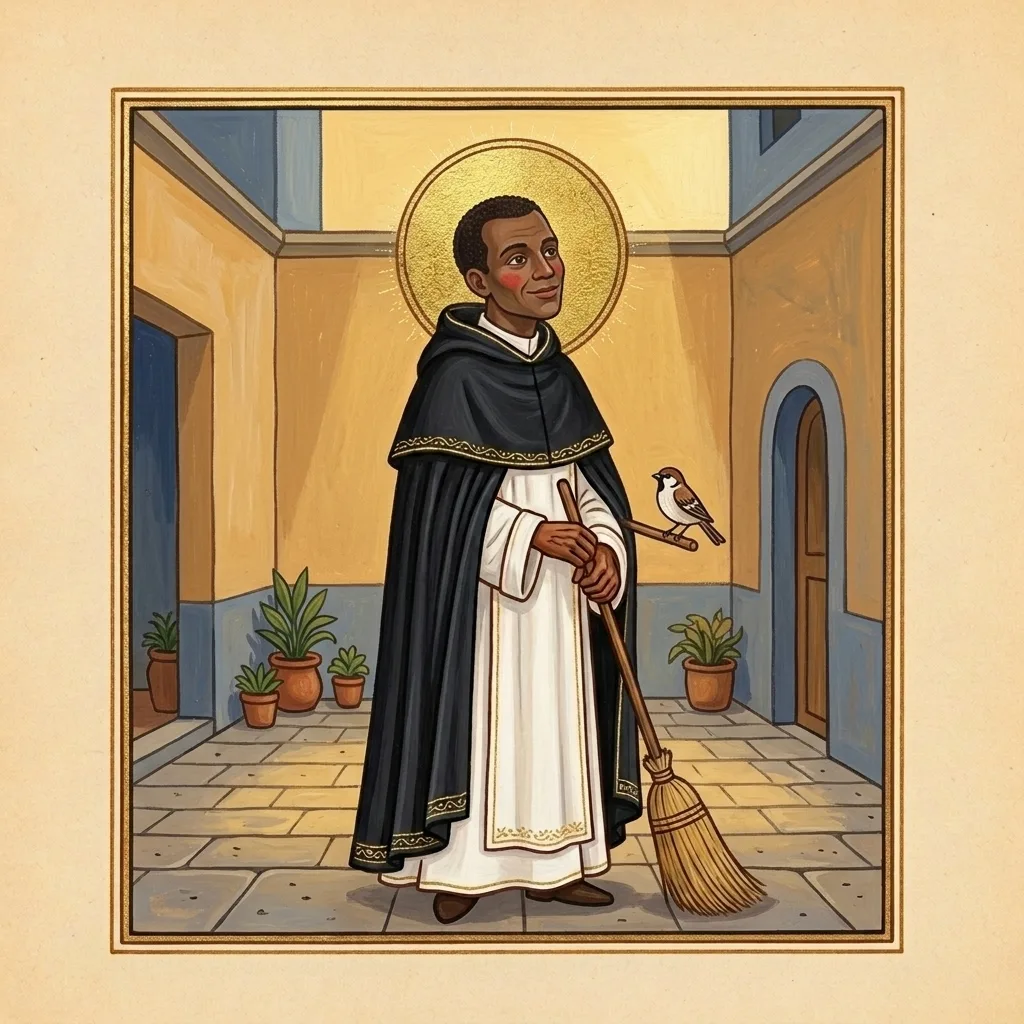
A Dominican lay brother of mixed African, Spanish, and possibly indigenous descent who endured racial discrimination in colonial Lima. He served the city's poor and sick as barber, infirmarian, and almoner, and was credited with miraculous healings, bilocation, and an unusual rapport with animals. He is depicted with a broom, a symbol of his embrace of menial work as a form of prayer.

Interactive Lesson
The Illustrated Life
Martin de Porres's story in 13 illustrated moments — tap any scene to begin there.
 1
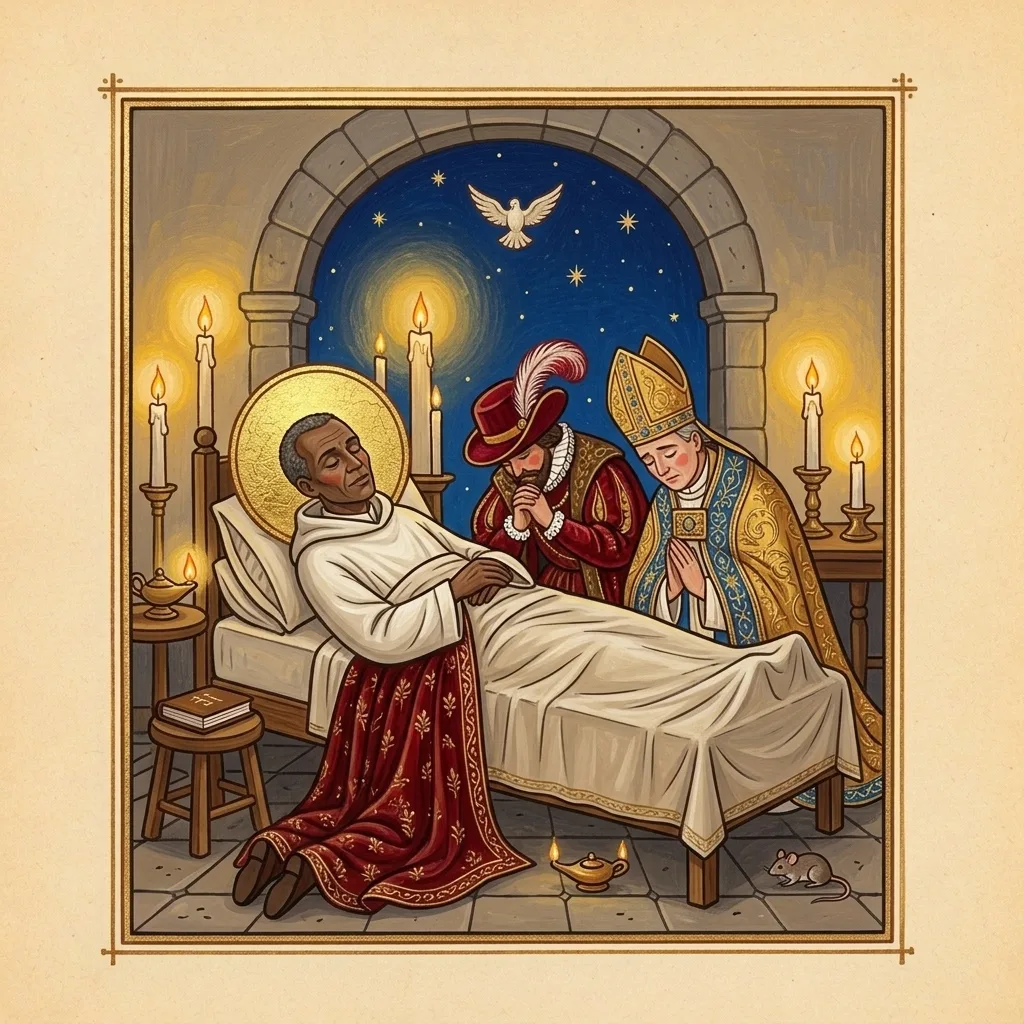
1A Peruvian viceroy and an archbishop kneel to carry his coffin. The man inside swept floors for a living. Martin de Porres — servant, healer, and saint — died as he lived: in a room full of mice, rats, and the poor.
 2
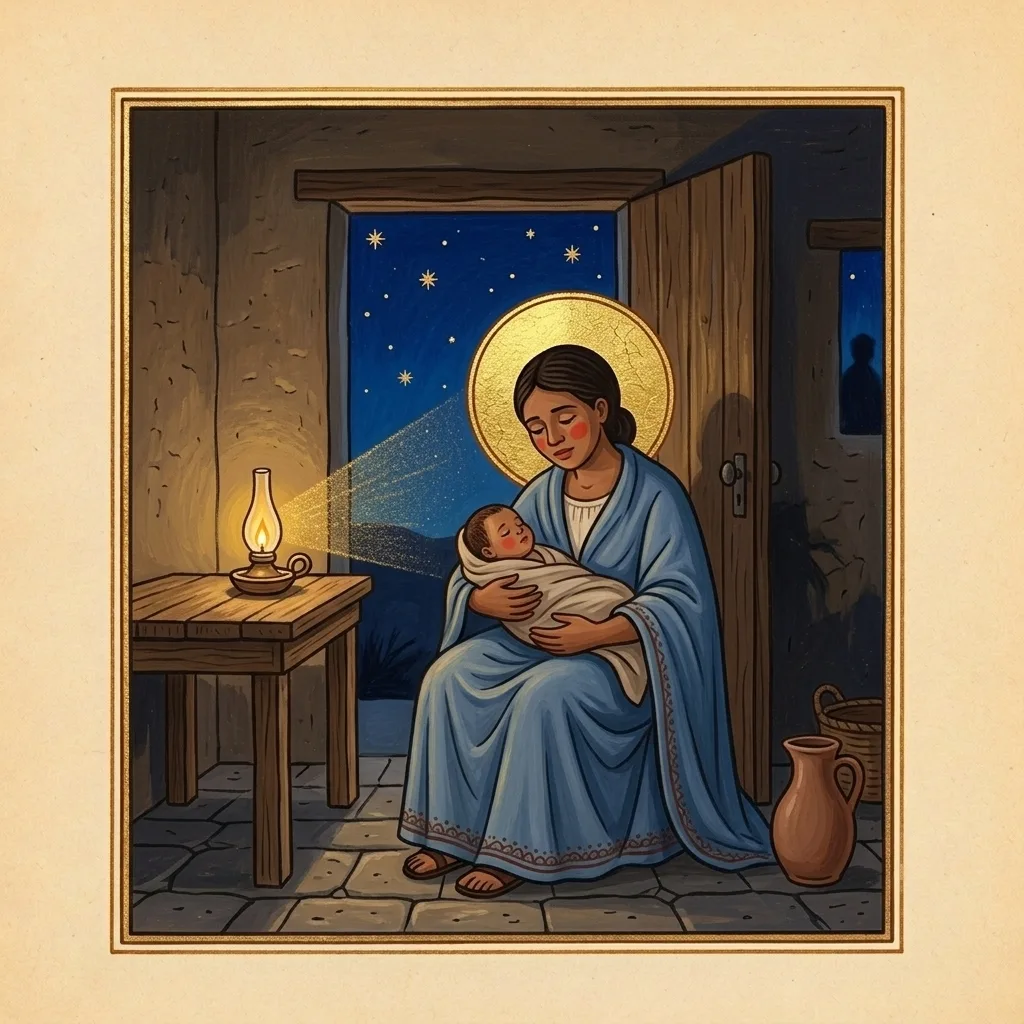
2Lima, 1579. A Spanish nobleman looks at his newborn son and walks away. Martin's skin is too dark. His mother, Ana, a freed slave, wraps the boy alone. He will spend his life proving that God does not look away.
 3
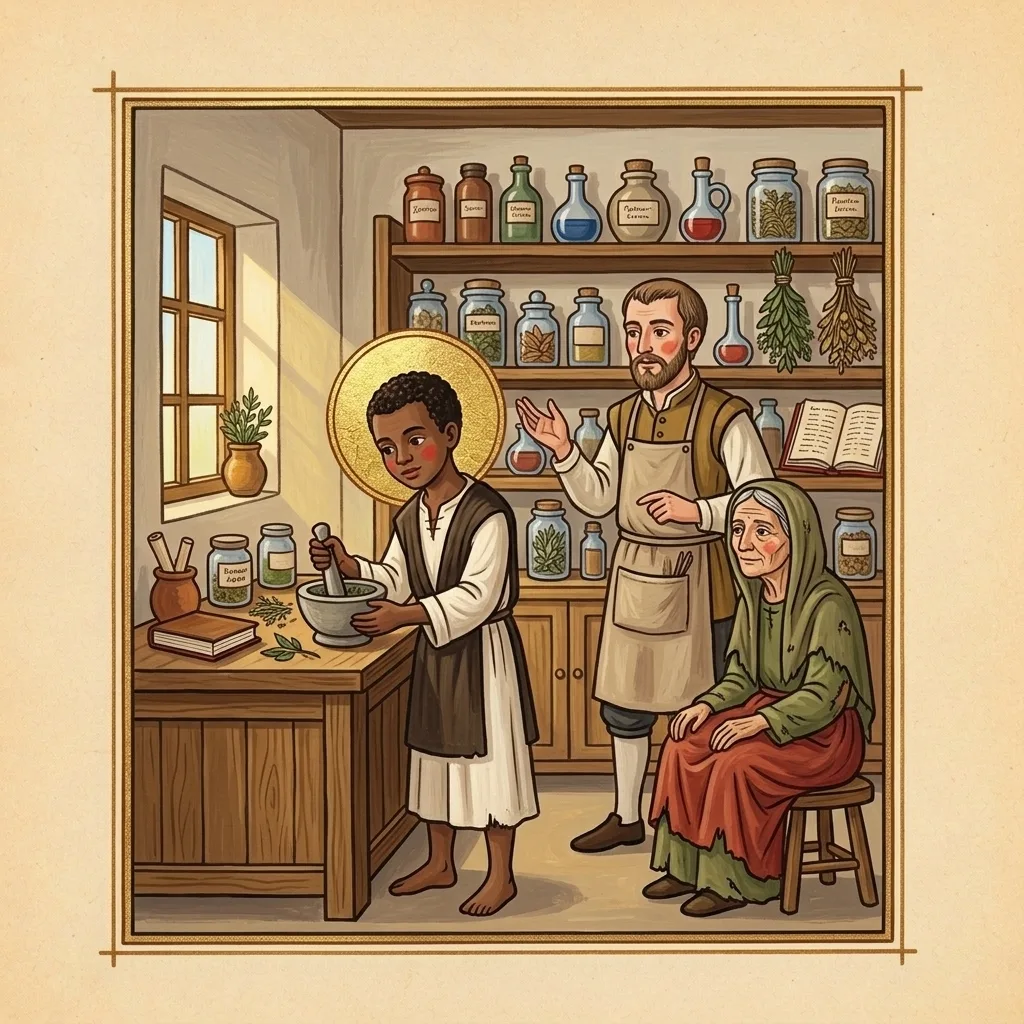
3At twelve, Martin is handed a knife and told to learn. His master, a barber-surgeon, teaches him to cut hair, lance wounds, and grind herbs. The boy from the streets discovers he can heal — and begins healing everyone for free.
 4
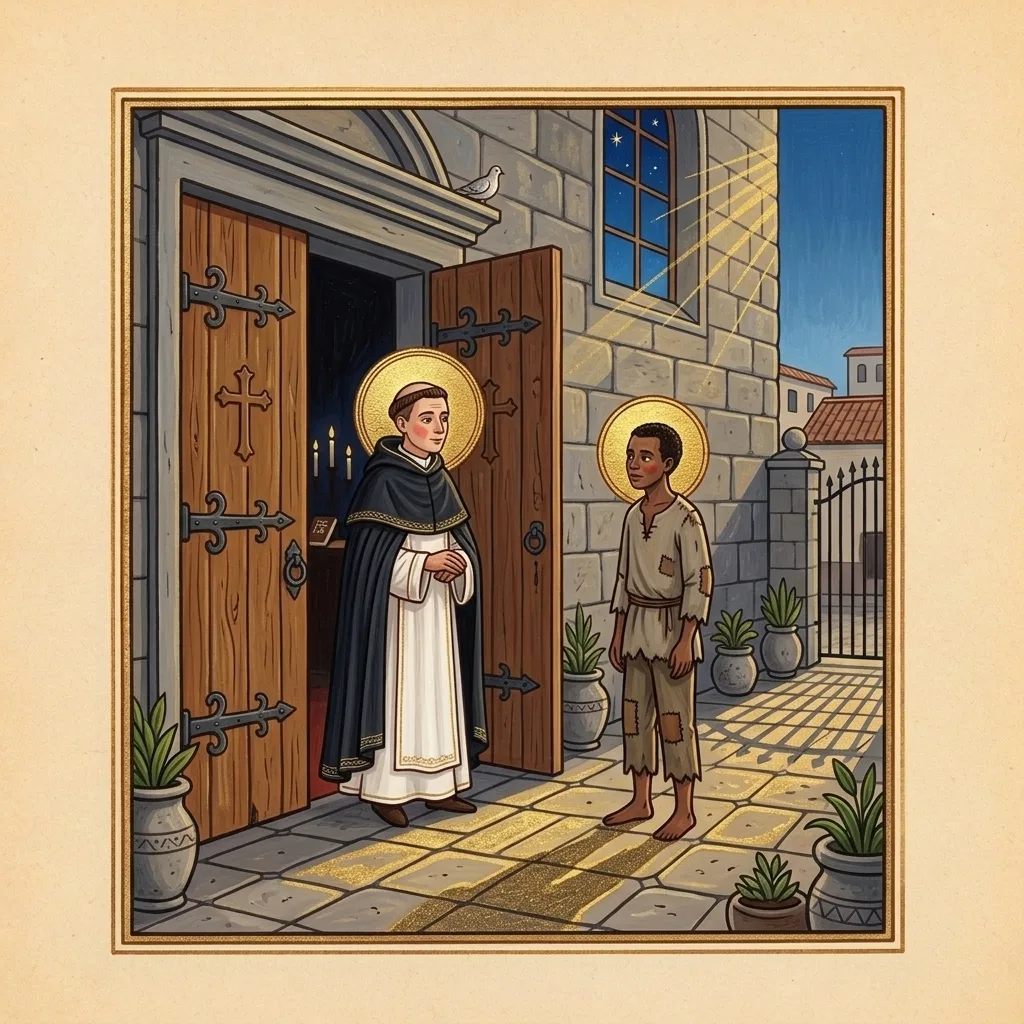
4At fifteen, Martin walks into the Dominican priory and asks to serve. The law says his blood bars him from brotherhood. He accepts. He will scrub floors, haul laundry, nurse the sick — and ask nothing in return.
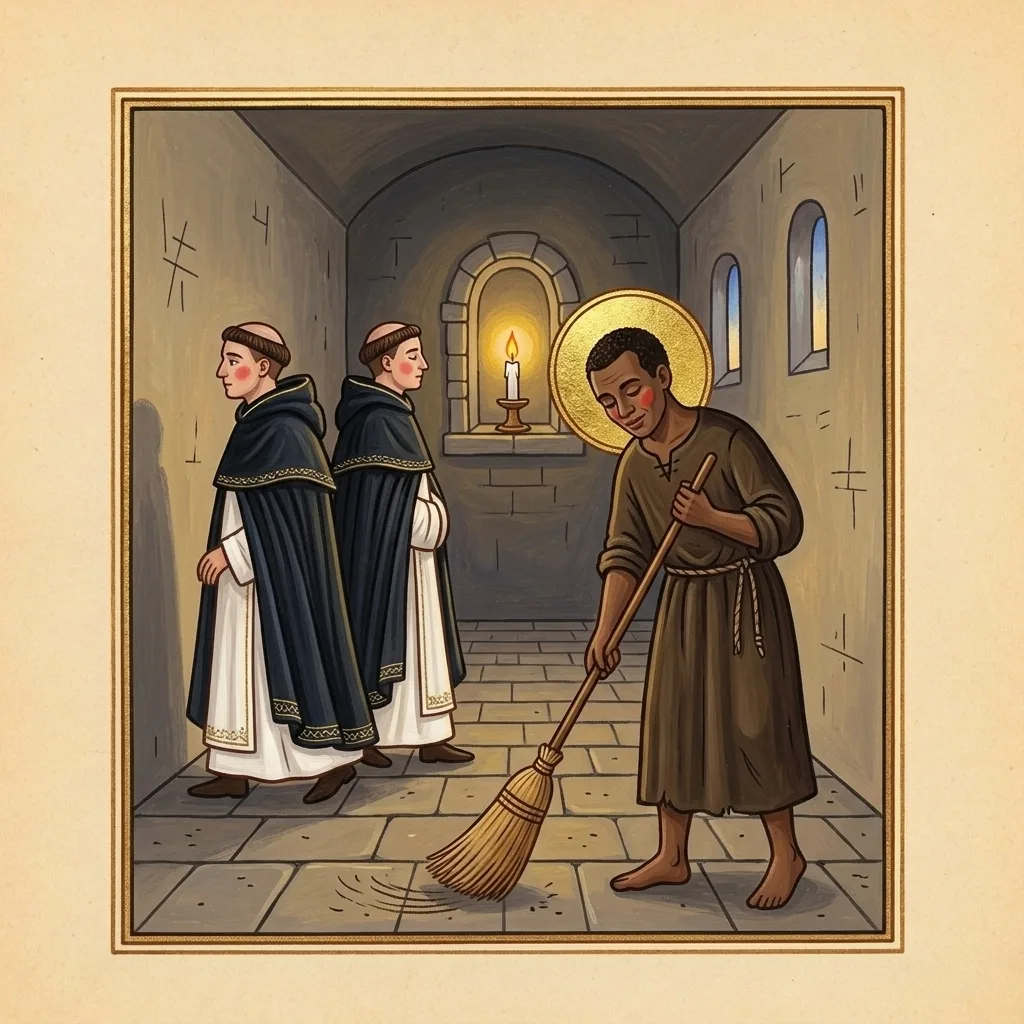 5
5For nine years, the law says Martin cannot take vows. He is a donado — a servant of servants. Some friars mock him for his skin. He does not argue. He sweeps. He prays. He tends the sick through the night.
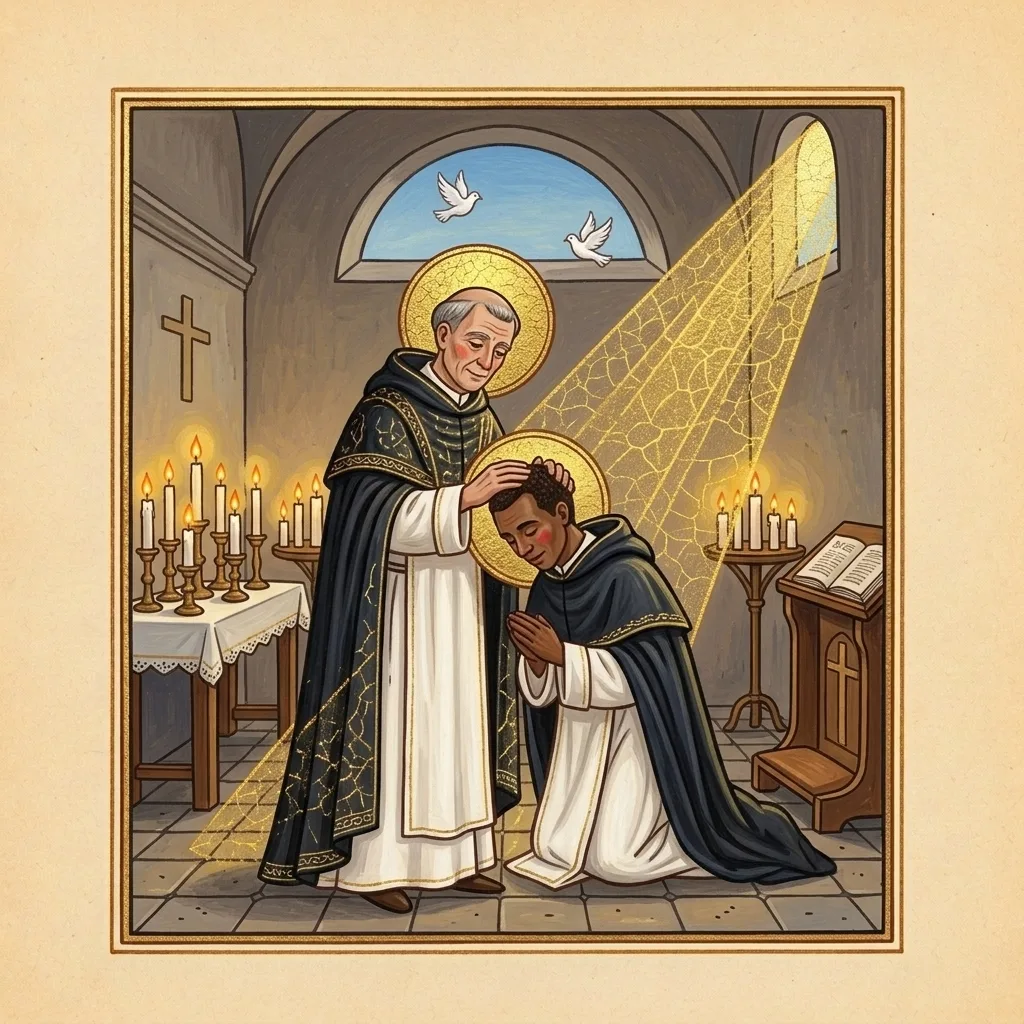 6
6The prior watches nine years of unbroken holiness and makes a decision. He overrides the racial laws. In 1603, Martin de Porres professes his vows — not because the world changed, but because love proved itself unmistakable.
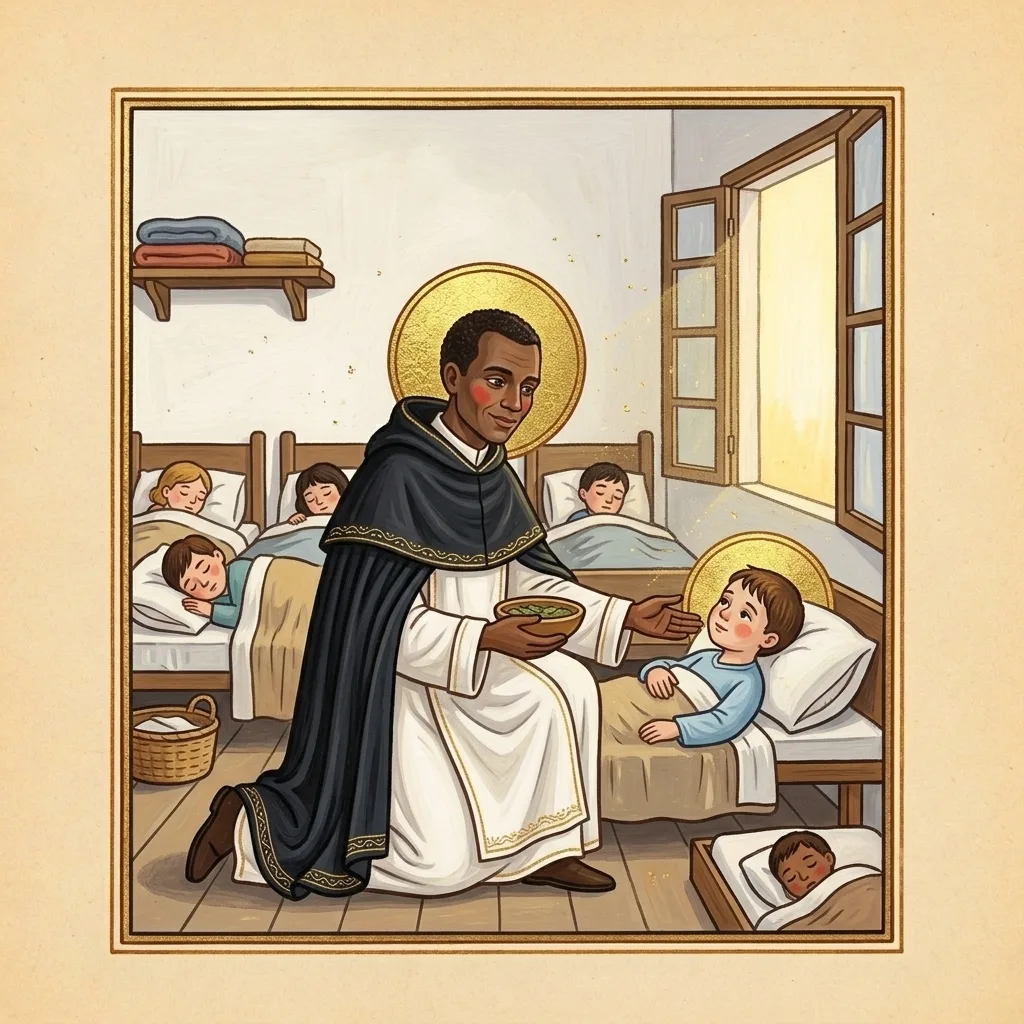 7
7Martin builds Lima's first orphanage and hospital for abandoned children — raising funds, scrubbing floors himself, nursing strangers at midnight. He says: even sweeping can be a prayer, if offered to God.
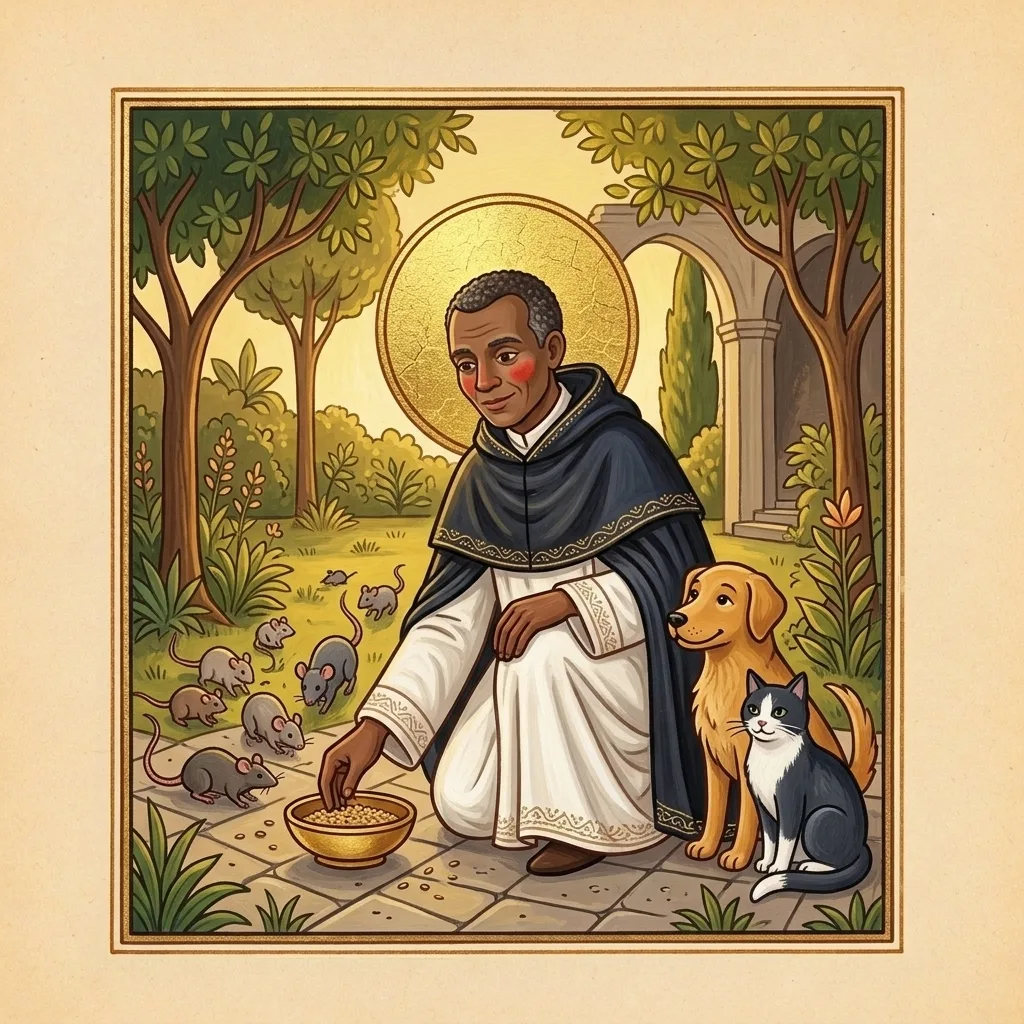 8
8Here is what no one tells you: Martin negotiated with rats. He persuaded the priory's mice to live in the garden rather than the pantry — setting food out for them each day. He called them brothers. They listened.
 9
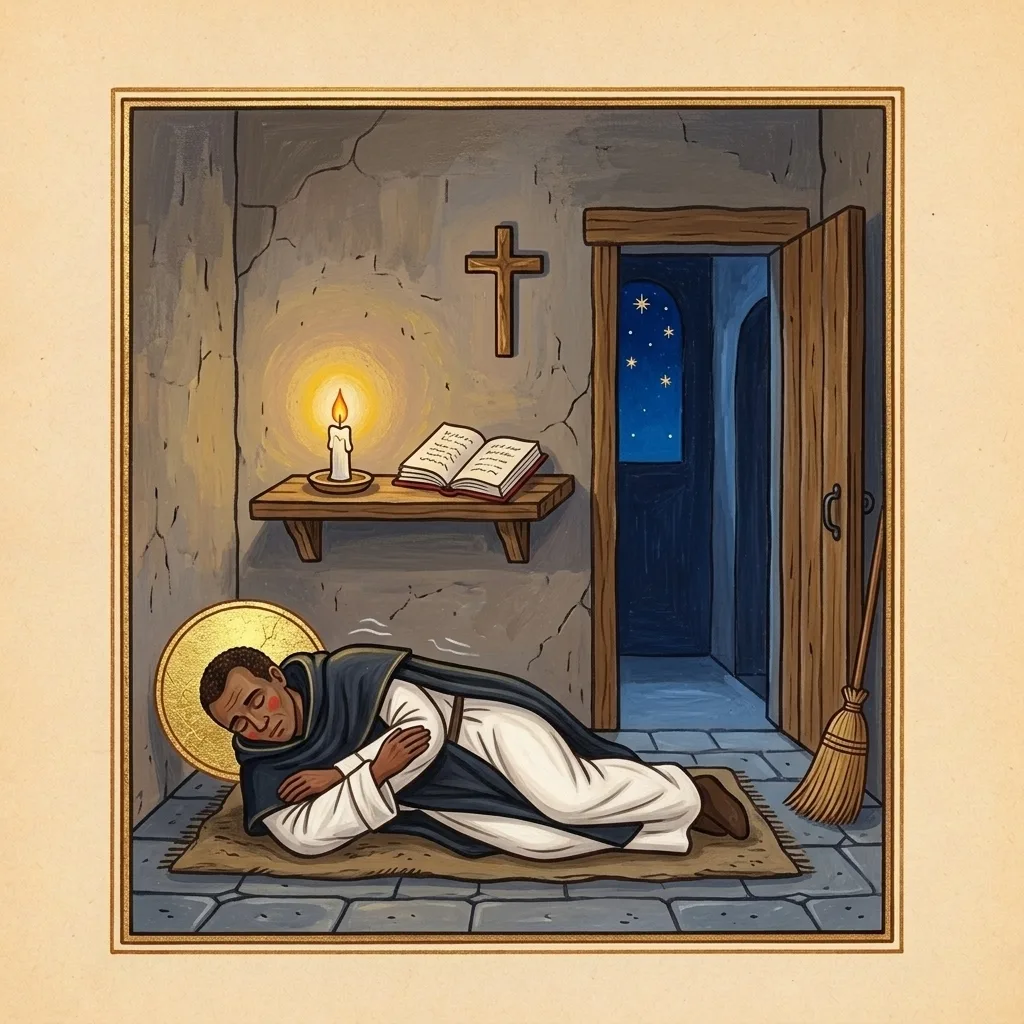
9Martin fasts until his body aches. He sleeps on the floor. He gives his blanket to a beggar, then freezes through the night. He takes no credit for the miracles. He is terrified of being called holy.
 10
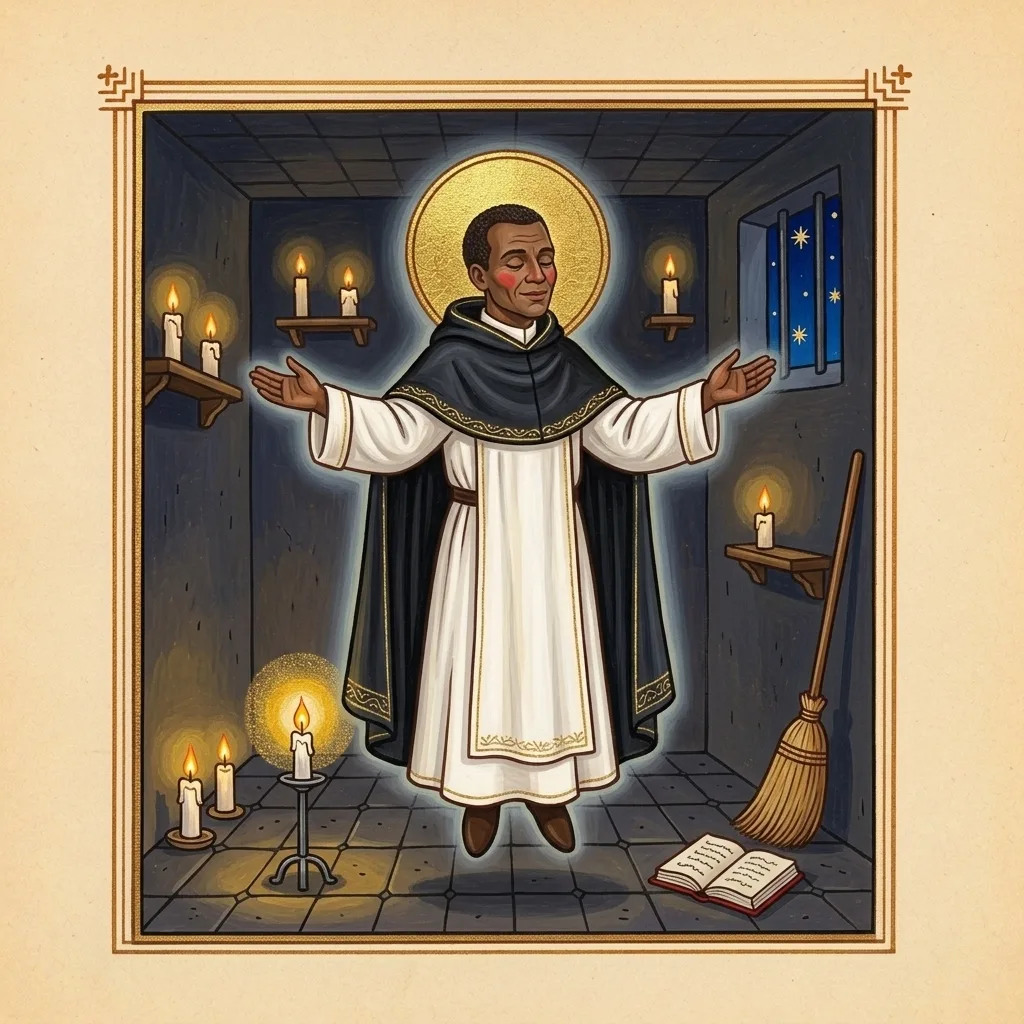
10Witnesses swear he rises off the ground in prayer. Others see him in two cities at once. His room glows at night. Martin says nothing of it. He just keeps sweeping. God is the one doing the extraordinary things.
 11
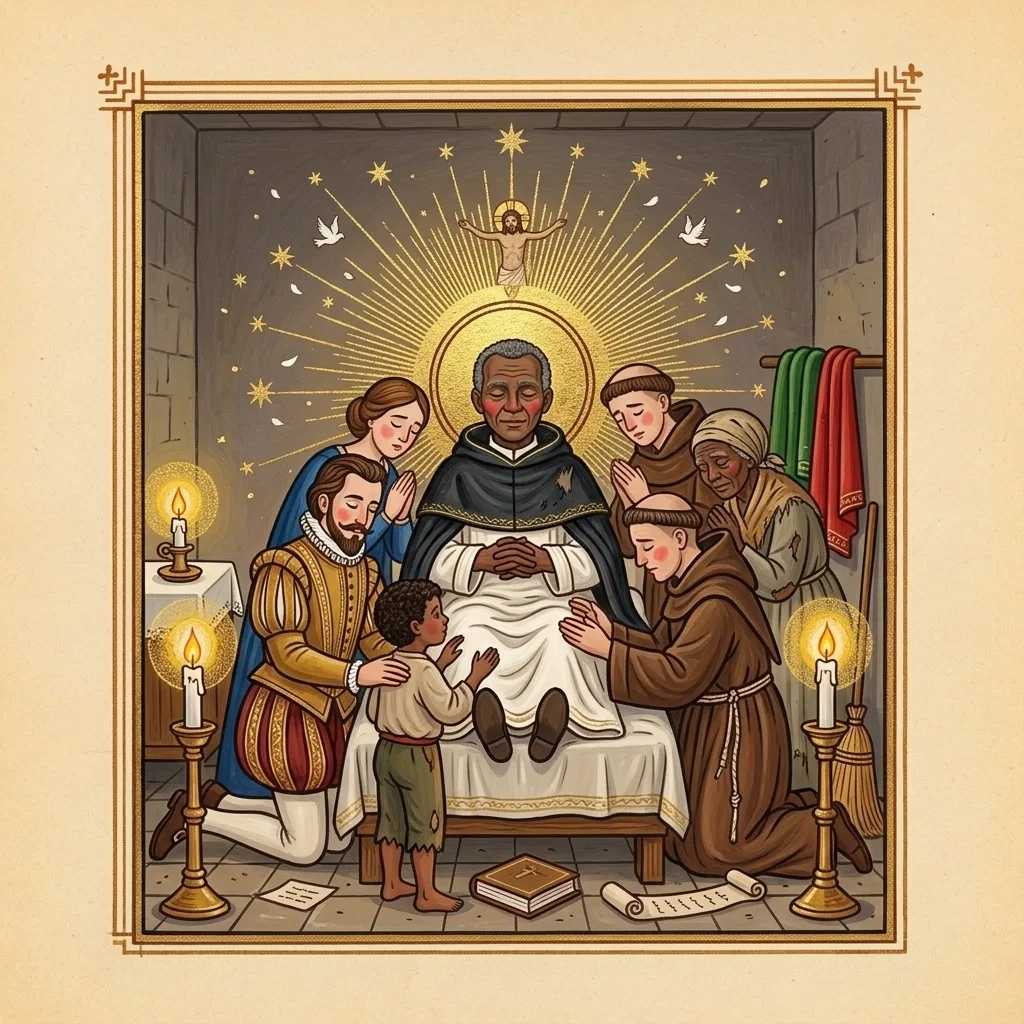
11In 1639, a fever takes him at sixty. His cell fills with every rank of Lima: viceroy, beggar, friar, slave. They reach to touch his hands. The man who was once rejected by his father dies held by an entire city.
 12
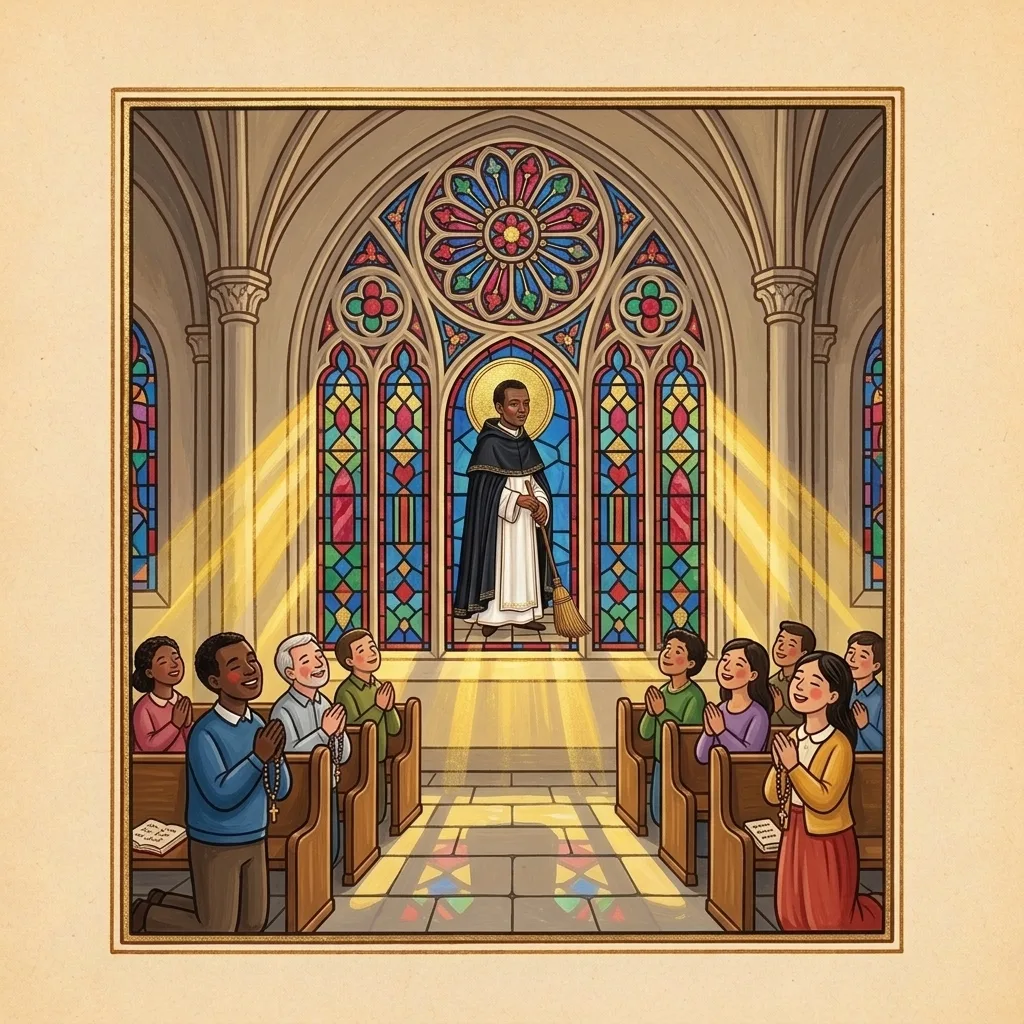
12In 1962, Pope John XXIII canonizes Martin — the first Black saint of the Americas. He becomes patron of racial harmony, the poor, and barbers. The boy no law would recognize is recognized by the whole Church.
 13
13Martin's secret was simple: nothing is too small to offer God. The broom, the bandage, the bowl of soup — all holy. Whatever is in your hands today, he whispers, offer it. That is enough. That has always been enough.
Life & Times
Early Life
Rejected by his father; worked as a barber-surgeon; joined Dominicans as a servant.
Turning Point
Allowed to profess vows after proven holiness overcame racial laws.
Legacy
Established an orphanage and hospital; friend of St. Rose of Lima.
Historical Context
Sources & historical notes
Dates and later-life details are left uncertain where the sources do not establish them. Historical summaries are secondary overviews; Scripture and Church documents are linked separately where available.
Words & Wisdom
Lord, grant me the grace of humility, that I may serve You in the least of my brothers and sisters, and find Your face in the poor and suffering.
Related Saints
Connections in the communion of saints