Sanctified Life
Approx. 1 AD — Approx. 63 AD
Birthplace: Magdala, Galilee
Also Known As
Patronage
"I have seen the Lord!"
Mary Magdalene — 'Apostle to the Apostles' — was healed by Jesus when He cast out seven demons, and she followed Him from Galilee to Jerusalem. While most male disciples fled the Crucifixion, she stood at the foot of the Cross, and on Easter morning the Risen Christ called her by name and sent her to tell the others He had risen.

Interactive Lesson
The Illustrated Life
Mary Magdalene's story in 13 illustrated moments — tap any scene to begin there.
 1
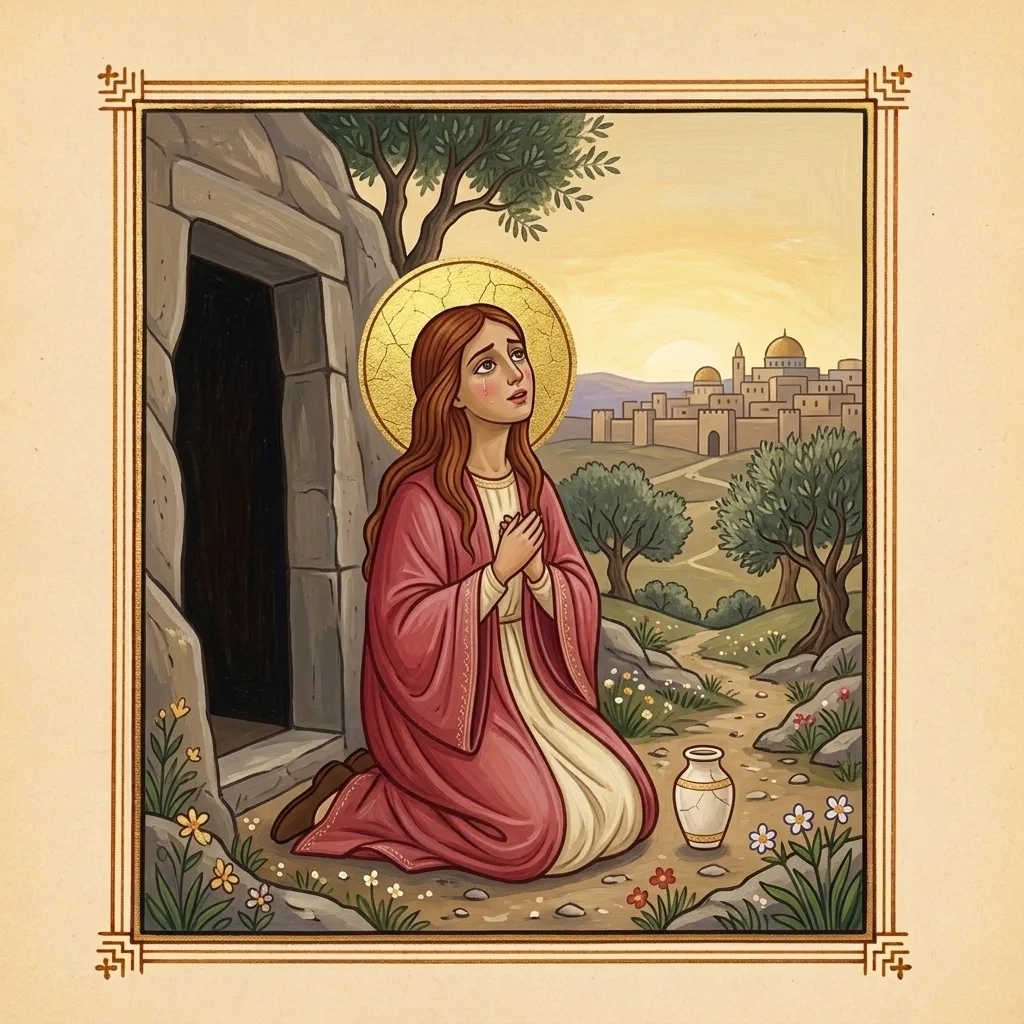
1On the morning that changed everything, a woman stands alone in a garden, weeping beside an empty tomb. The other disciples have already given up and gone home. She stays. And because she stays, she becomes the first human being in history to see the Risen Christ.
 2
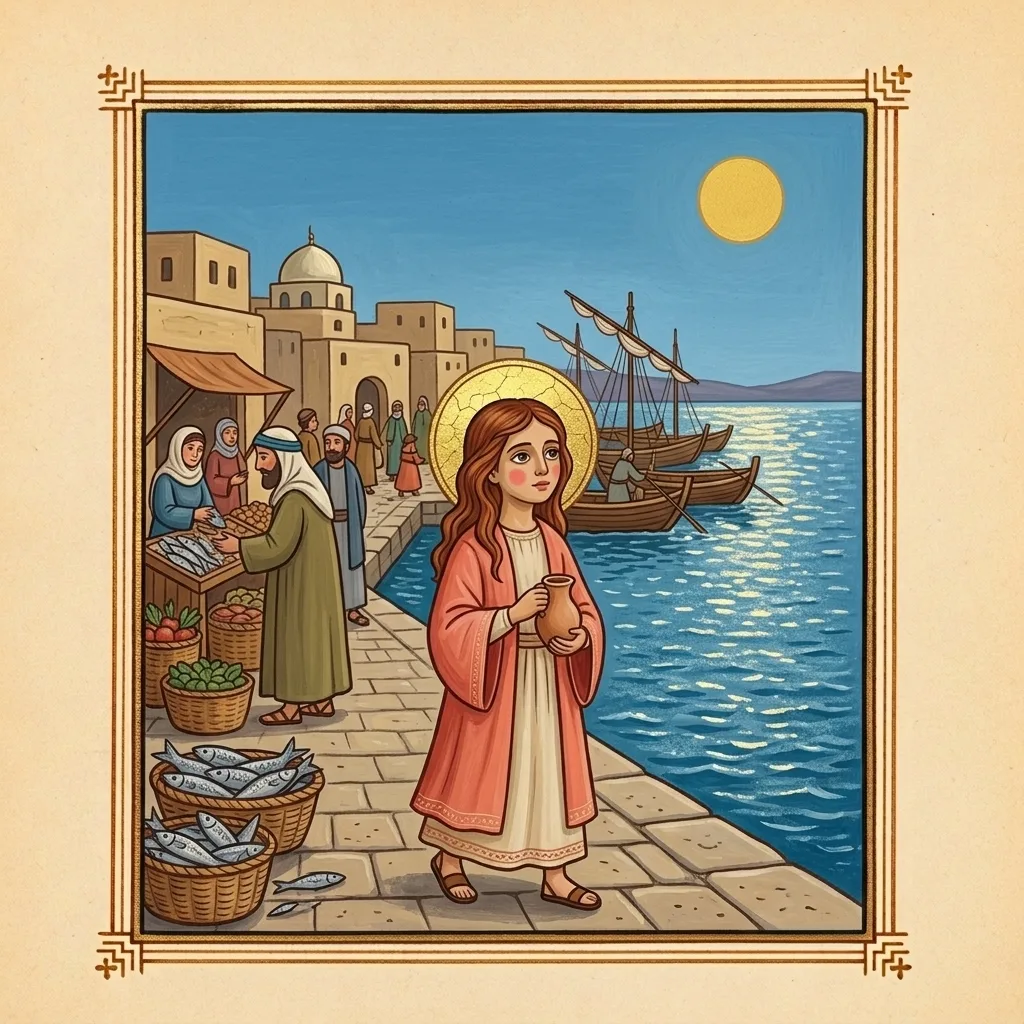
2She grows up in Magdala — a busy port on the Sea of Galilee, full of fish markets and commerce. Not a backwater. An ordinary, comfortable life. No one yet knows her name will echo through two thousand years.
 3
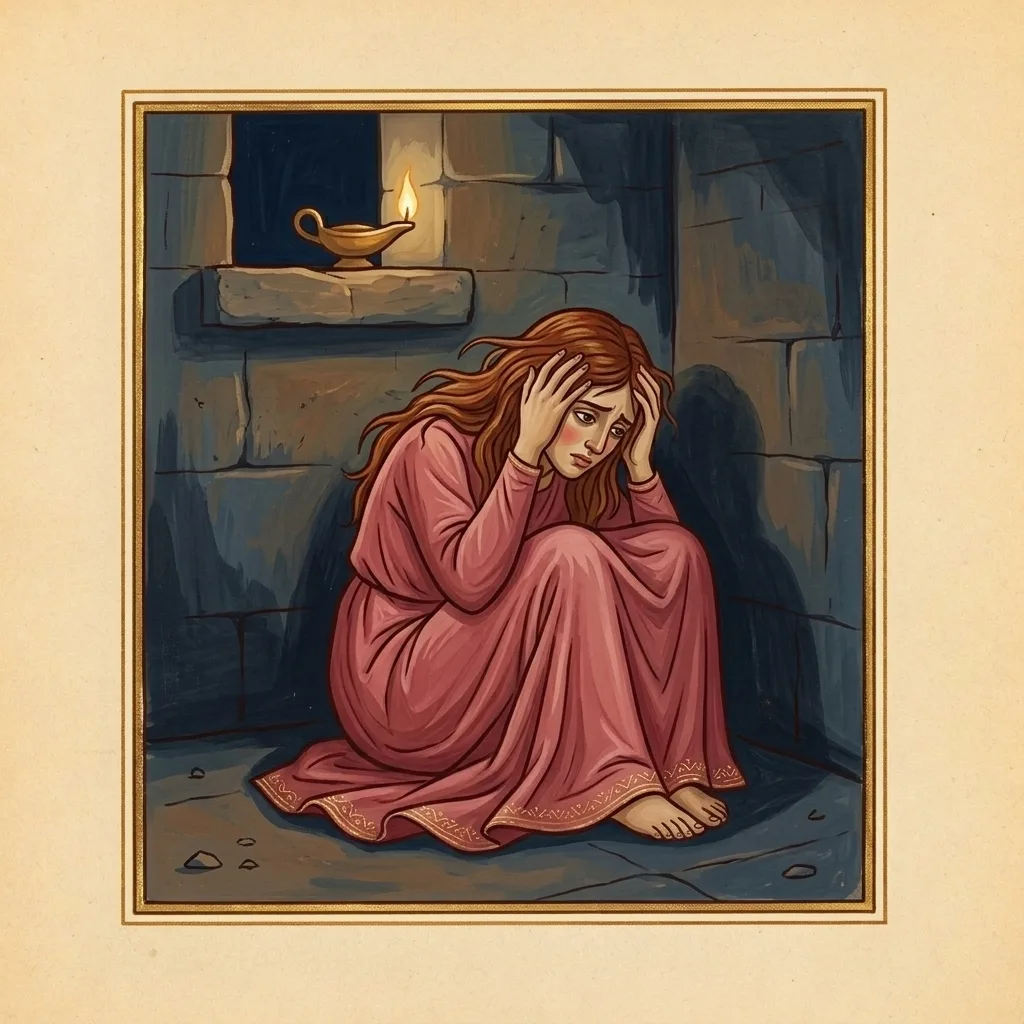
3But beneath the surface of this ordinary life, something is terribly wrong. The Gospels describe it simply and without explanation: seven demons have taken hold of her. We don't know exactly what that means — but we know she suffers. Profoundly. For years. Until the day a teacher from Nazareth walks through Galilee.
 4
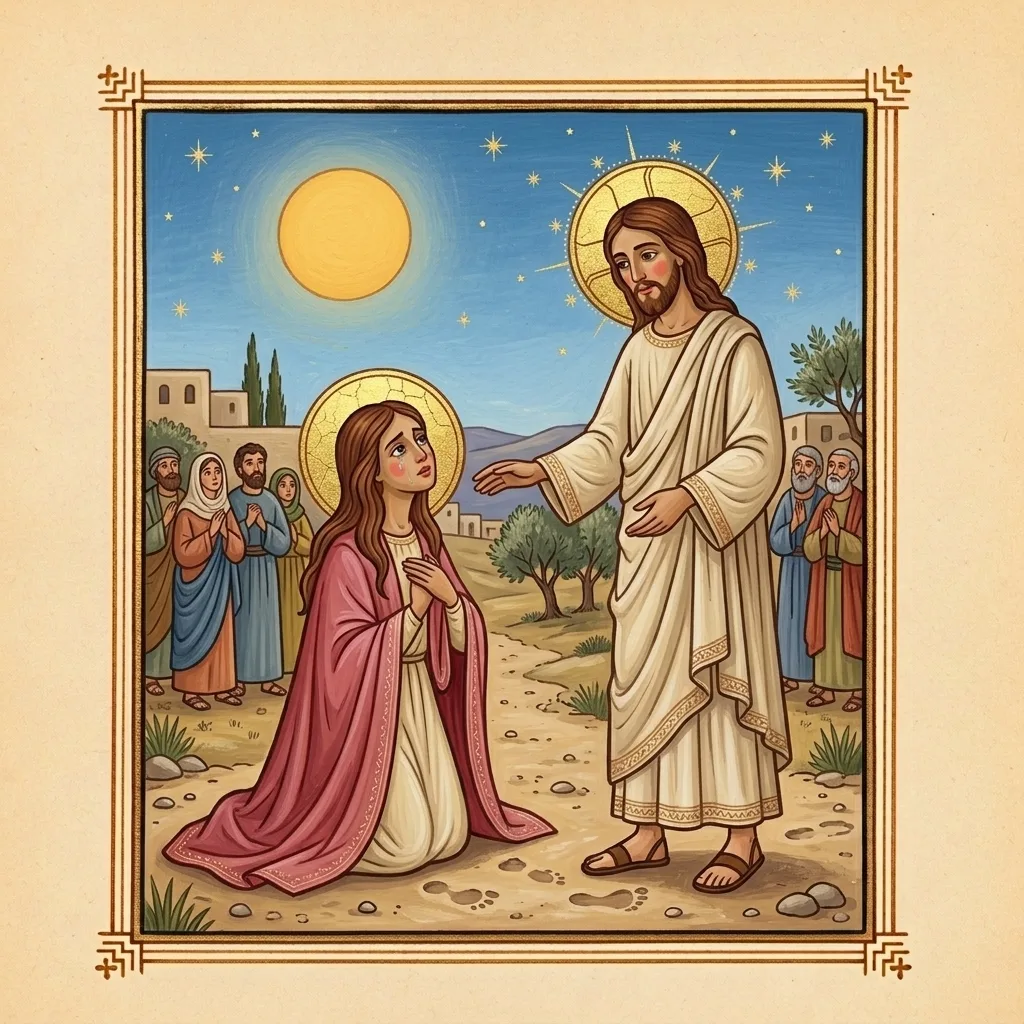
4Jesus speaks — and everything leaves. The darkness, the noise, the weight she has carried for years: gone. In an instant, she is free. This is the turning point of Mary Magdalene's entire life. She does not walk away grateful and move on. She follows. From this moment, she will not leave his side.
 5
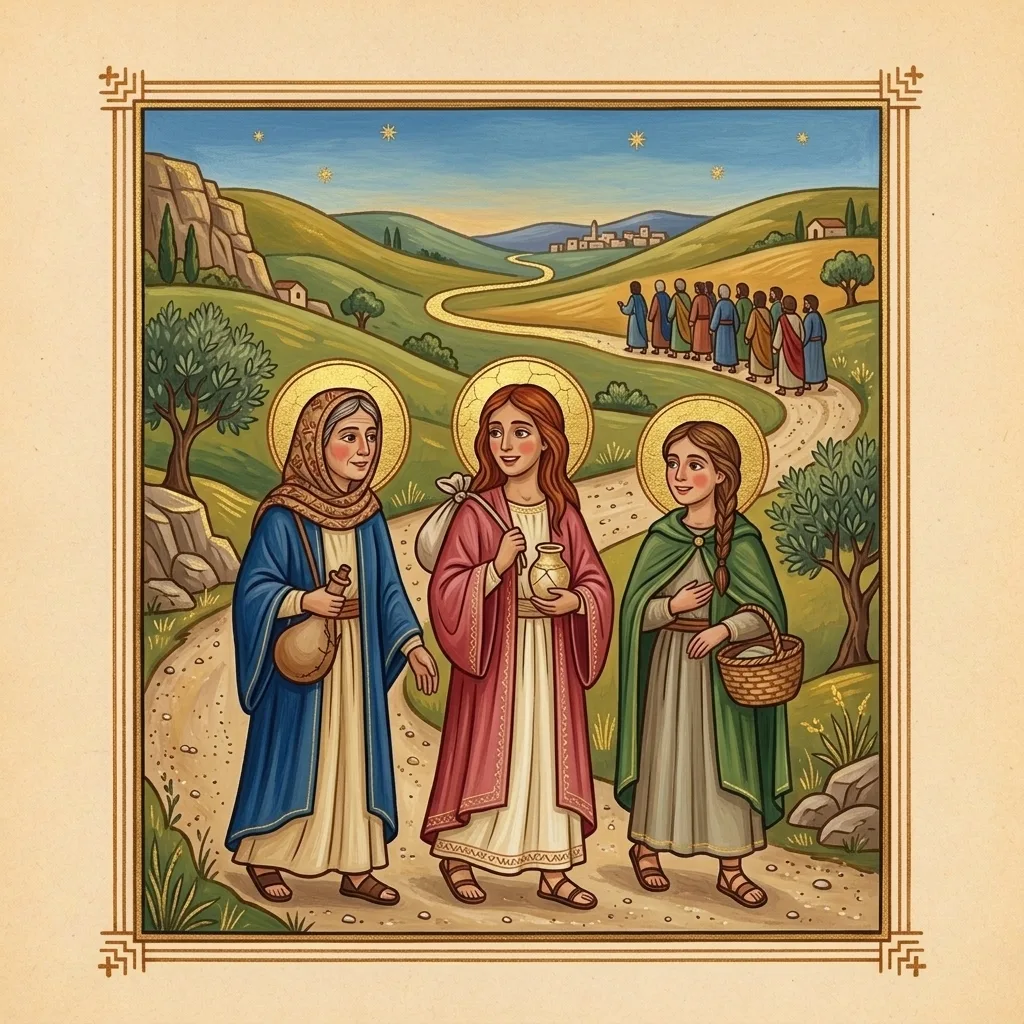
5She joins a band of women — including Joanna and Susanna — who fund Jesus's mission from their own resources. By the standards of the day, this is scandalous. Women simply didn't do this. Mary does it anyway.
 6
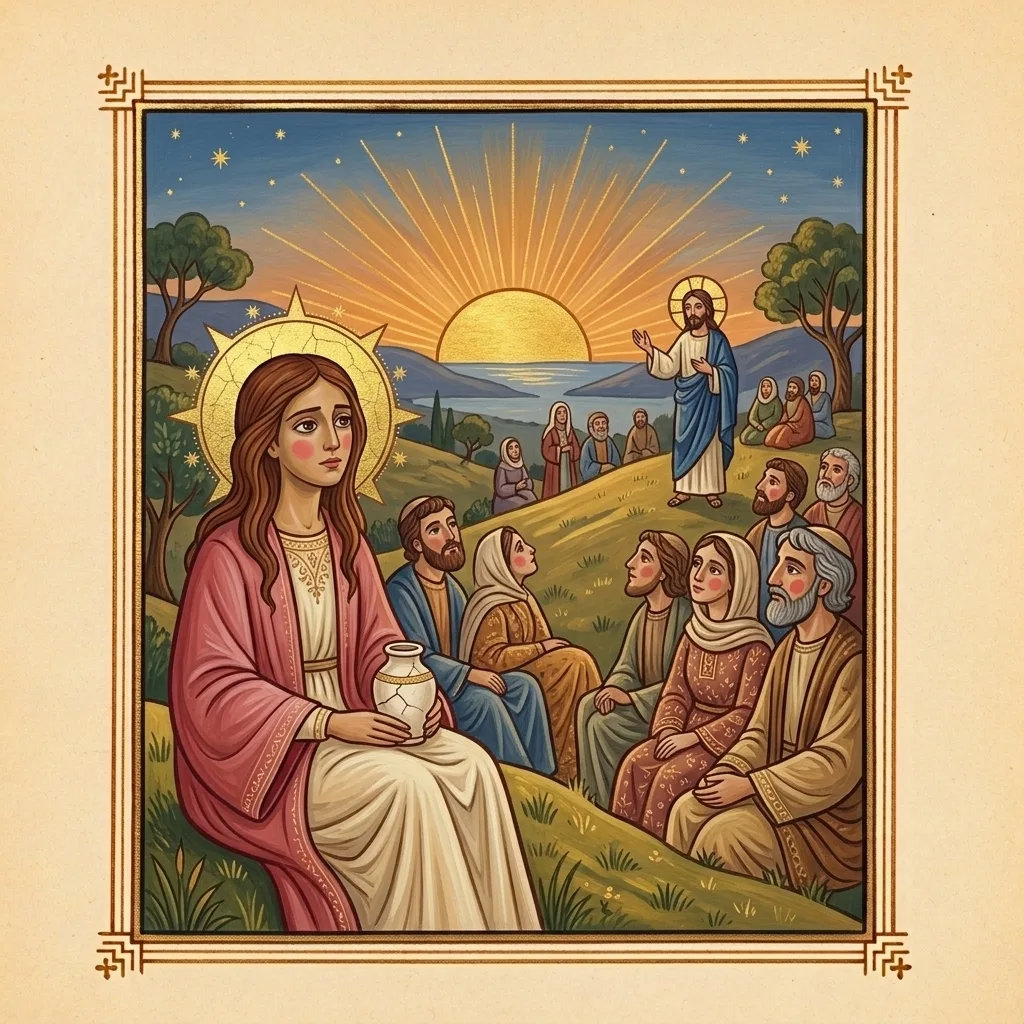
6She watches him teach, sees lepers cleansed and the blind given sight. Her devotion isn't sentiment — it belongs to someone pulled out of the abyss. She knows, in her bones, who this man is. She does not waver.
 7
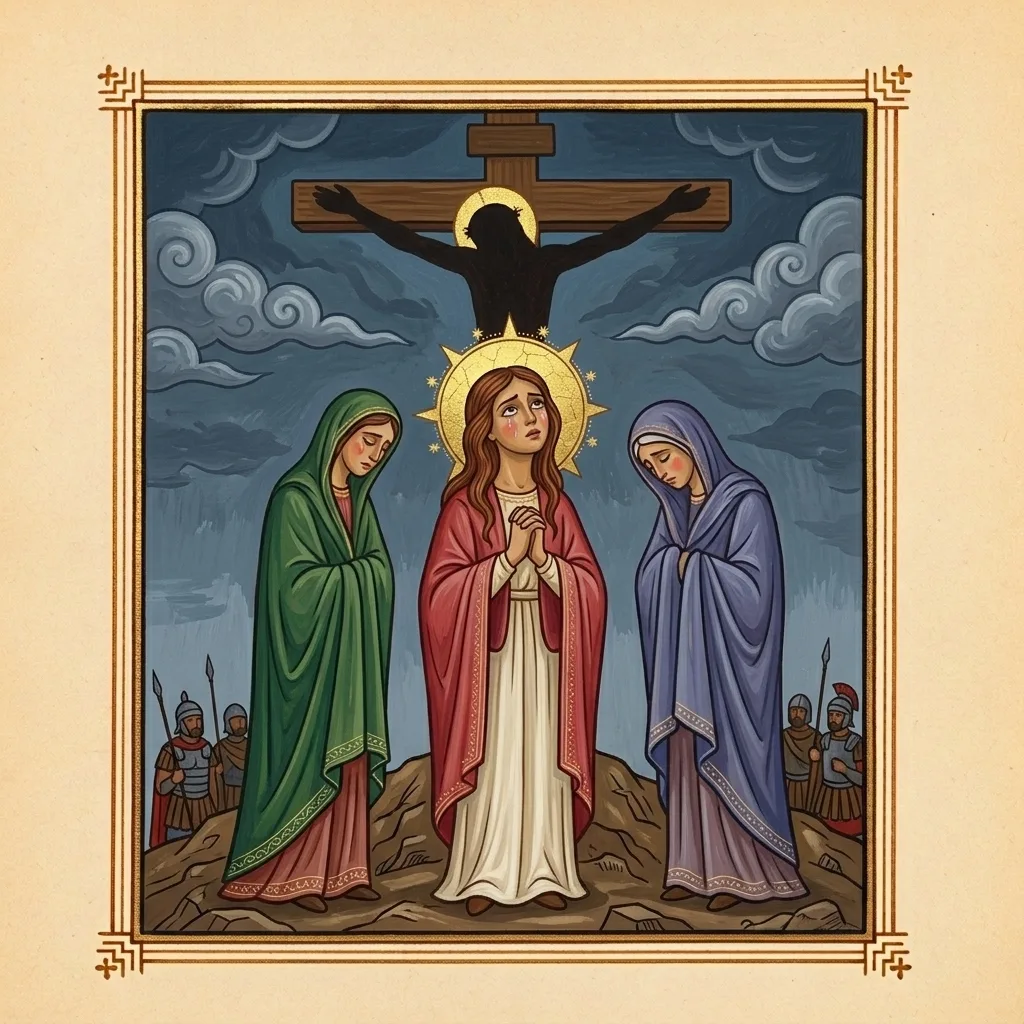
7Then comes Calvary. The male apostles — Peter, James, John — have fled into hiding, paralyzed by fear. But Mary Magdalene is standing at the foot of the Cross. She watches him suffer and die. She does not look away. This is her greatest act: not a miracle, not a sermon, but the fierce, unglamorous courage of simply staying.
 8
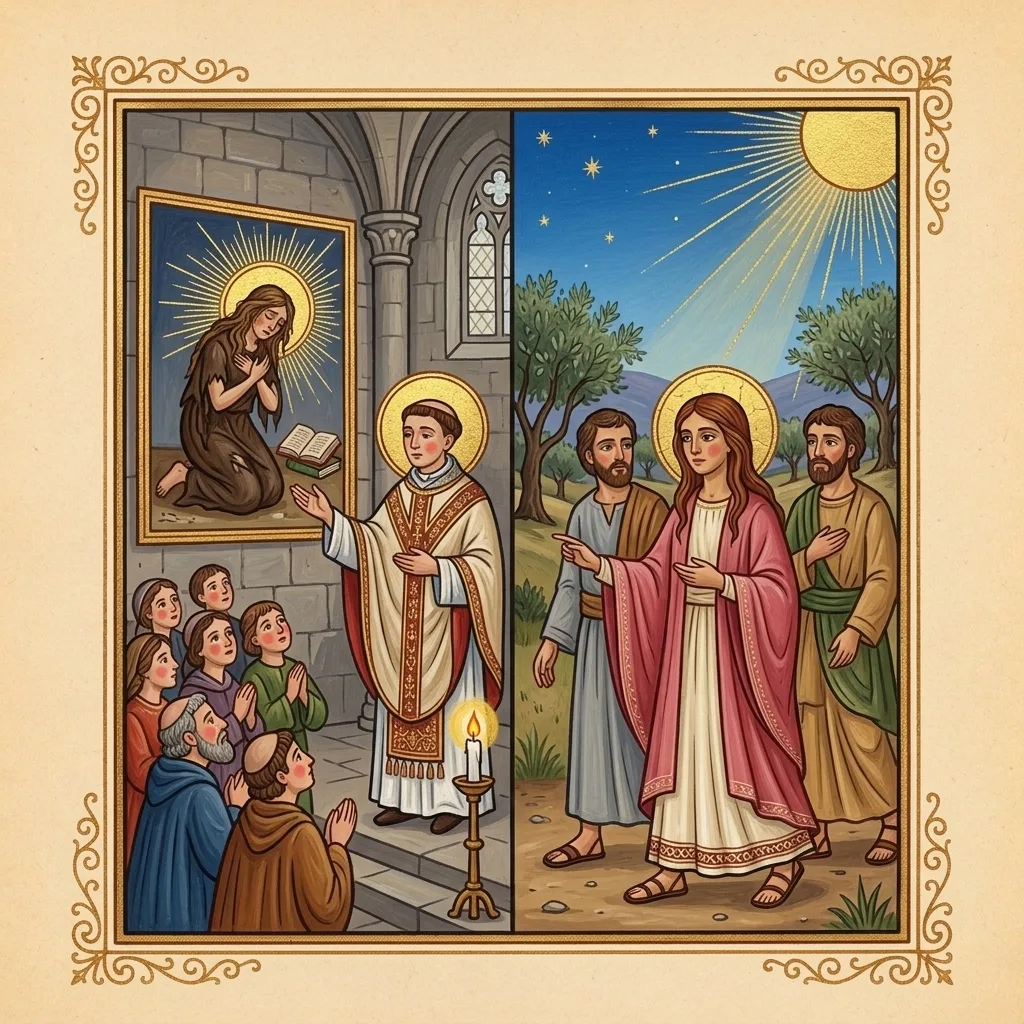
8For a thousand years, the Church called her a repentant prostitute. It was never in the Gospels. The Catholic Church corrected this in 1969. She was a healing, a follower, a witness. That old story says more about us than her.
 9
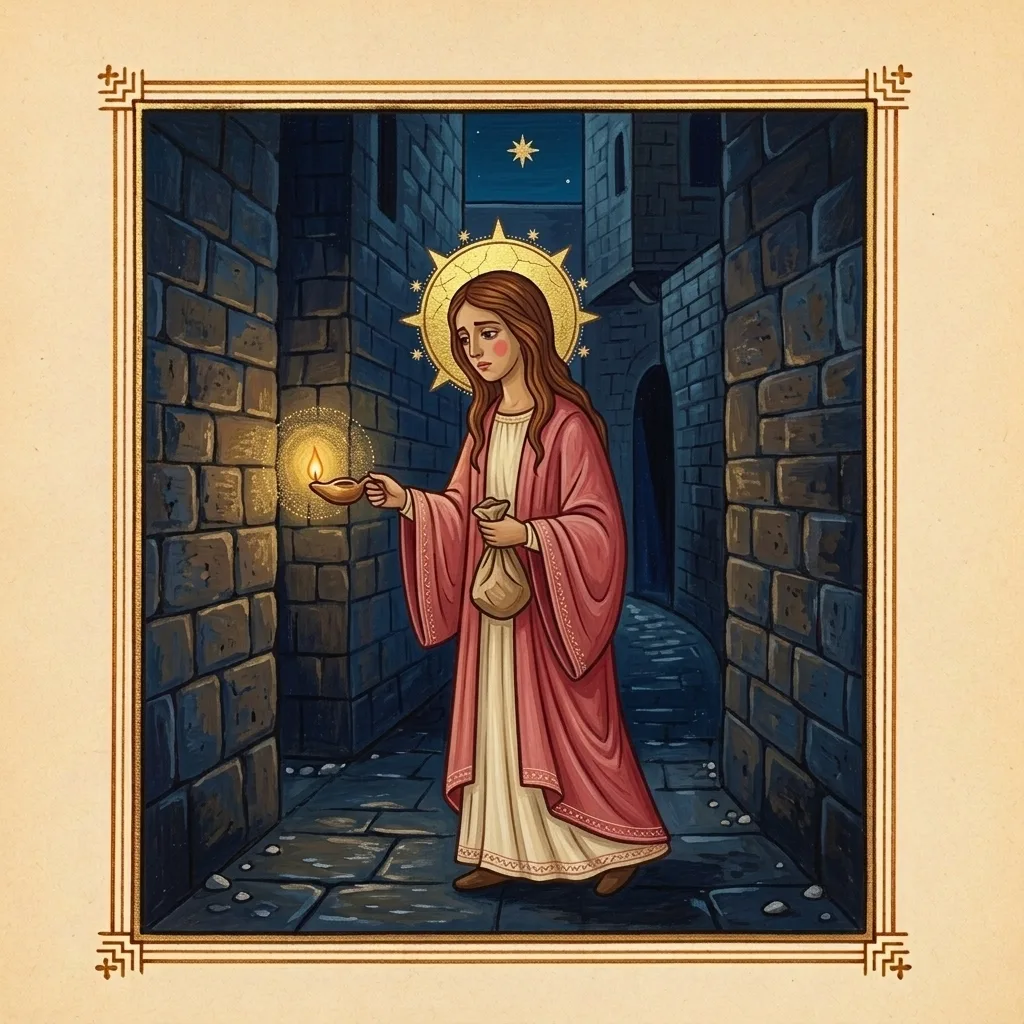
9After the Crucifixion, the disciples hide. Mary doesn't. Before dawn, she walks through dark Jerusalem to the tomb — carrying spices, expecting a body. She goes to grieve. Love doesn't stop just because hope does.
 10
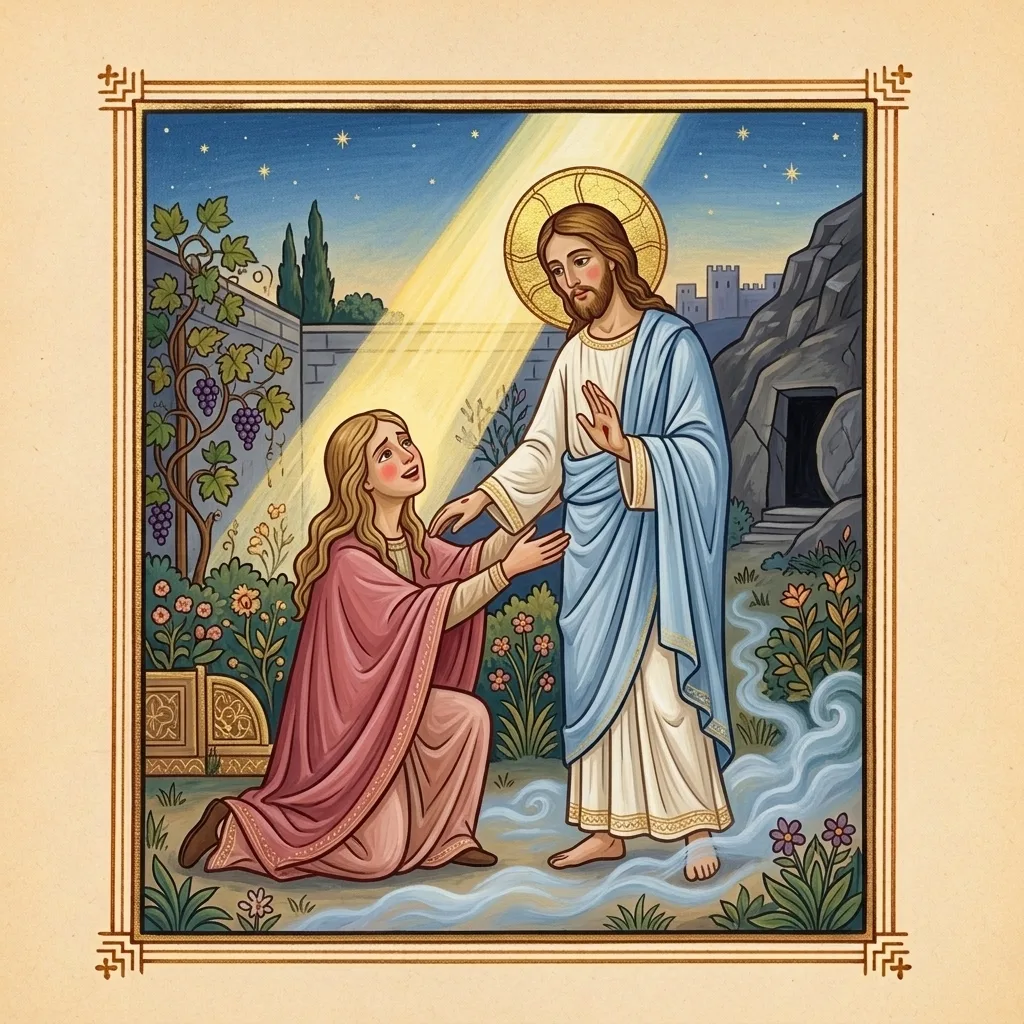
10She mistakes him for the gardener. Then he says one word: 'Mary.' And she knows. 'Rabboni!' — Teacher. Two thousand years later, this moment still takes the breath away. The Risen Christ's first word is not a doctrine or a declaration. It is her name. It is always someone's name.
 11
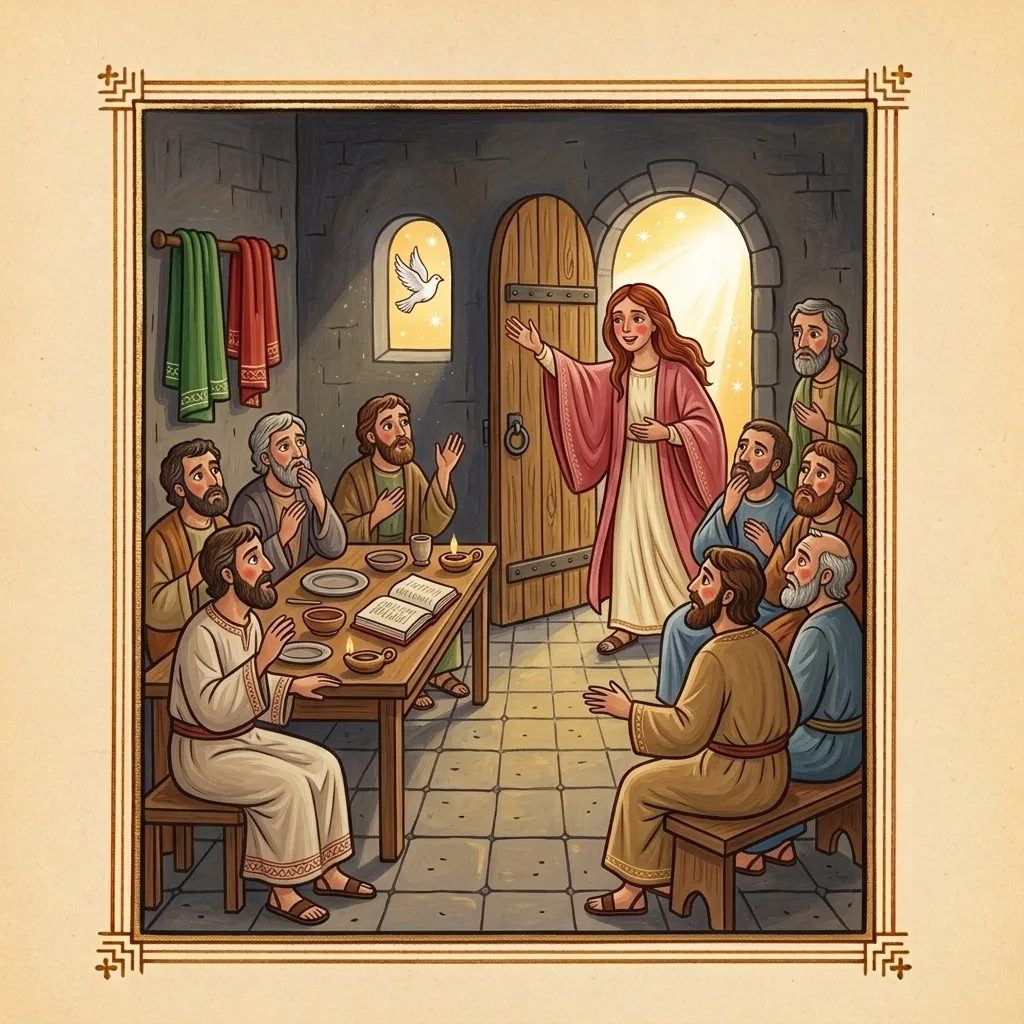
11'I have seen the Lord!' She runs to the upper room and tells the hiding apostles the news that will change the world. They are skeptical. She tells them anyway. The early Church named her Apostola Apostolorum — Apostle to the Apostles.
 12
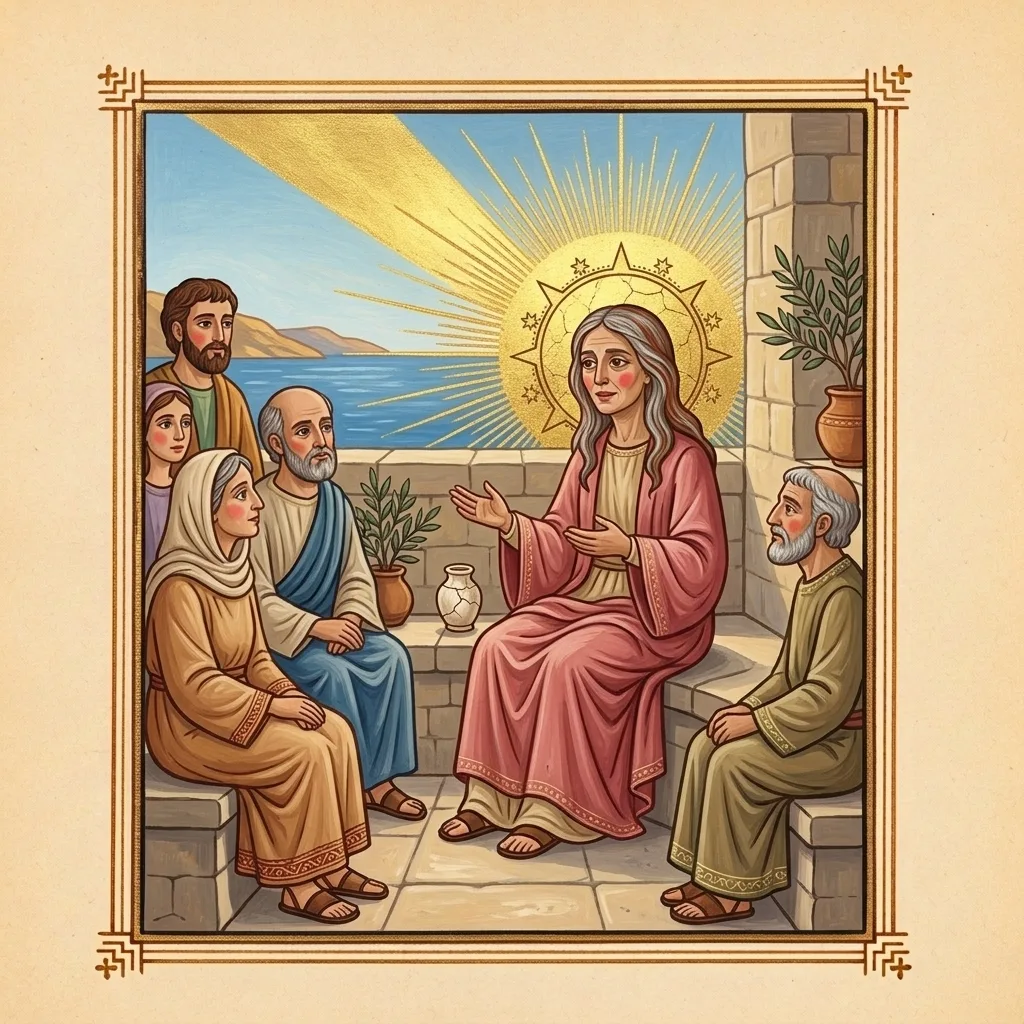
12Eastern tradition says Mary traveled to Ephesus with the Virgin Mary and John, preaching until her peaceful death. In 2016, Pope Francis elevated her feast to the rank of the apostles. The woman history tried to diminish now stands among the greatest.
 13
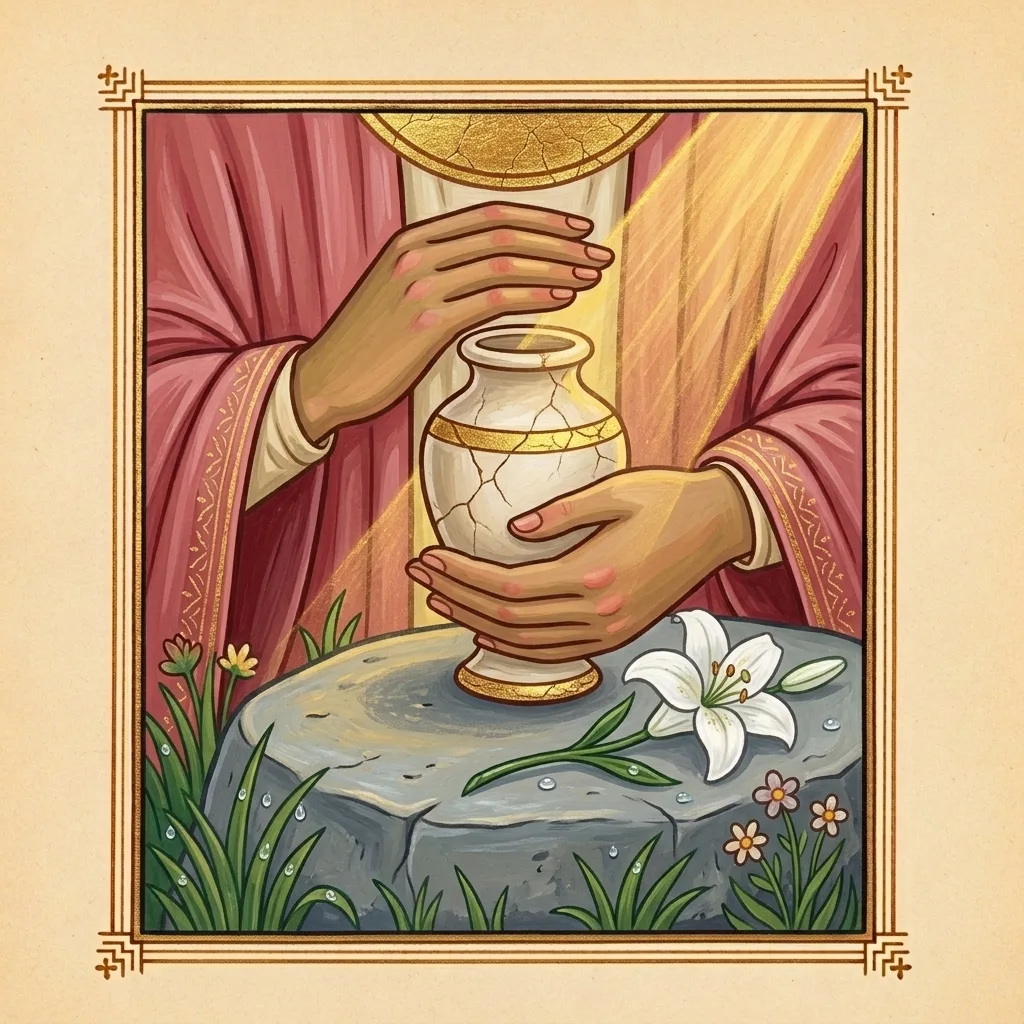
13Mary Magdalene hands you this: you are never too broken to be chosen, never too far from the tomb to find it empty. She earned her place not through perfection, but by showing up and staying. His first word to you is still your name.
Life & Times
Early Life
Born in Magdala, a fishing and fish-processing town on the western shore of the Sea of Galilee. She suffered severe affliction described as 'seven demons' until Jesus healed her during His Galilean ministry, after which she traveled with Him and supported His work from her own resources.
Turning Point
The encounter with the Risen Christ in the garden outside the empty tomb, where He called her by name and sent her to tell the other disciples — transforming her from a mourning seeker into the first herald of the Resurrection.
Legacy
Her later life is known only through tradition. Eastern accounts place her with St. John and the Virgin Mary in Ephesus, dying peacefully there. Western legend situates her in Provence, where she is said to have preached until her death. Neither account has a historical basis outside tradition.
Historical Context
Sources & historical notes
Dates and later-life details are left uncertain where the sources do not establish them. Historical summaries are secondary overviews; Scripture and Church documents are linked separately where available.
The Saint's Path
Words & Wisdom
“They have taken away my Lord, and I do not know where they have laid him.”
“Rabboni!”
Victimae Paschali Laudes
The Easter Sequence composed by Wipo of Burgundy (c. 1048). It features a dialogue in which Mary Magdalene is asked what she saw at the tomb — making her witness central to the Western Church's celebration of Easter.
John 20:1–18
The primary scriptural account of her witnessing the Resurrection and her commission as a herald.
Read MoreRelated Saints
Connections in the communion of saints
Peter the Apostle
Both witnessed the Resurrection. Mary announced it to Peter and the other apostles.
John the Evangelist
According to tradition, both traveled to Ephesus with the Virgin Mary after Pentecost.
Catherine of Siena
Catherine's devotion to penitent saints was deeply influenced by Mary Magdalene's example of radical conversion.