Saint Library
July 3apostolicUniversal

Thomas the Apostle

Apostle

Life172DidymusDoubting ThomasarchitectsIndia

"My Lord and my God!"

Thomas — called 'Doubting Thomas' for demanding to touch Christ's wounds before he would believe — answered with the clearest declaration of Christ's divinity in the Gospels: 'My Lord and my God!' He carried the Gospel further east than any other Apostle, founding churches in Mesopotamia and, by tradition, India, where he was martyred around AD 72.

Thomas the Apostle
Their Story

Interactive Lesson

The Illustrated Life

Thomas the Apostle's story in 13 illustrated moments — tap any scene to begin there.
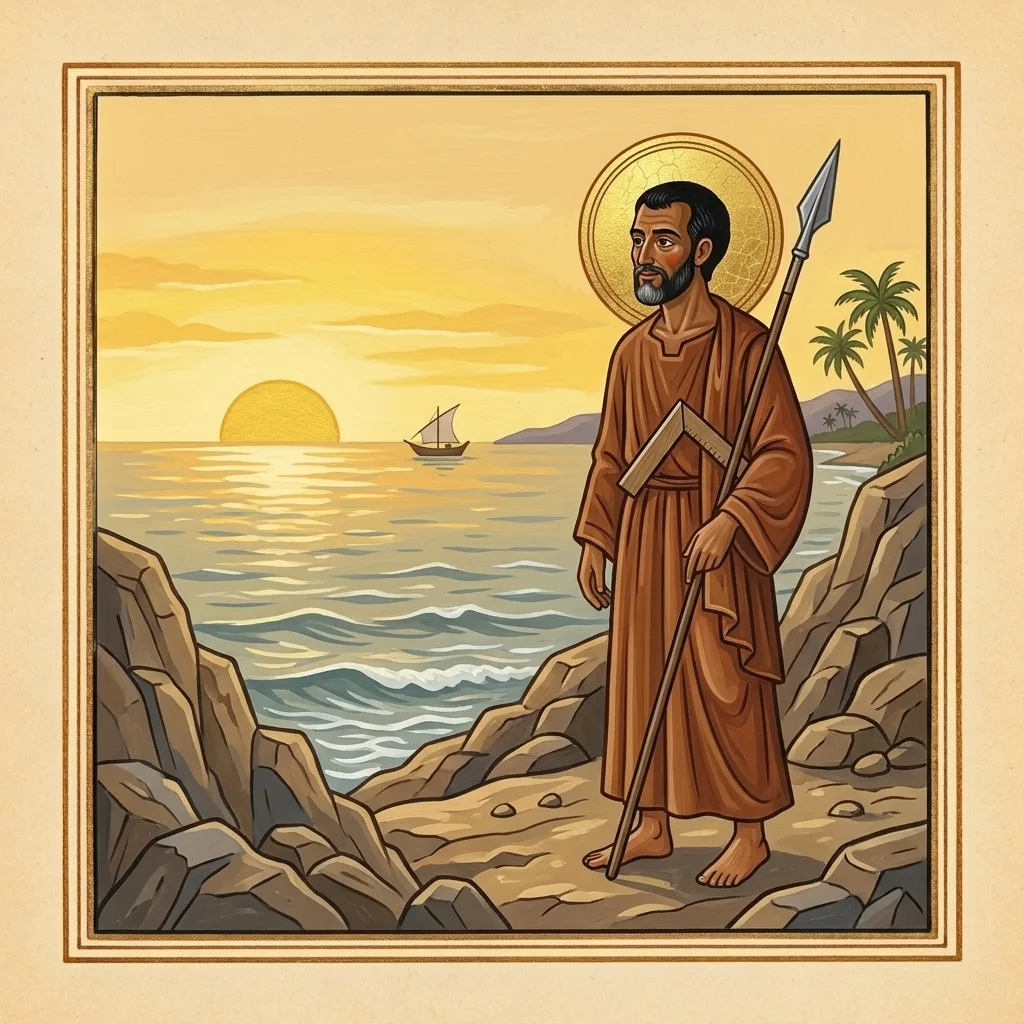
Thomas the Apostle — scene 11

He is history's most famous doubter. But the man who refused to believe the Resurrection made the boldest declaration of Christ's divinity in all the Gospels — and then carried it to the ends of the earth.
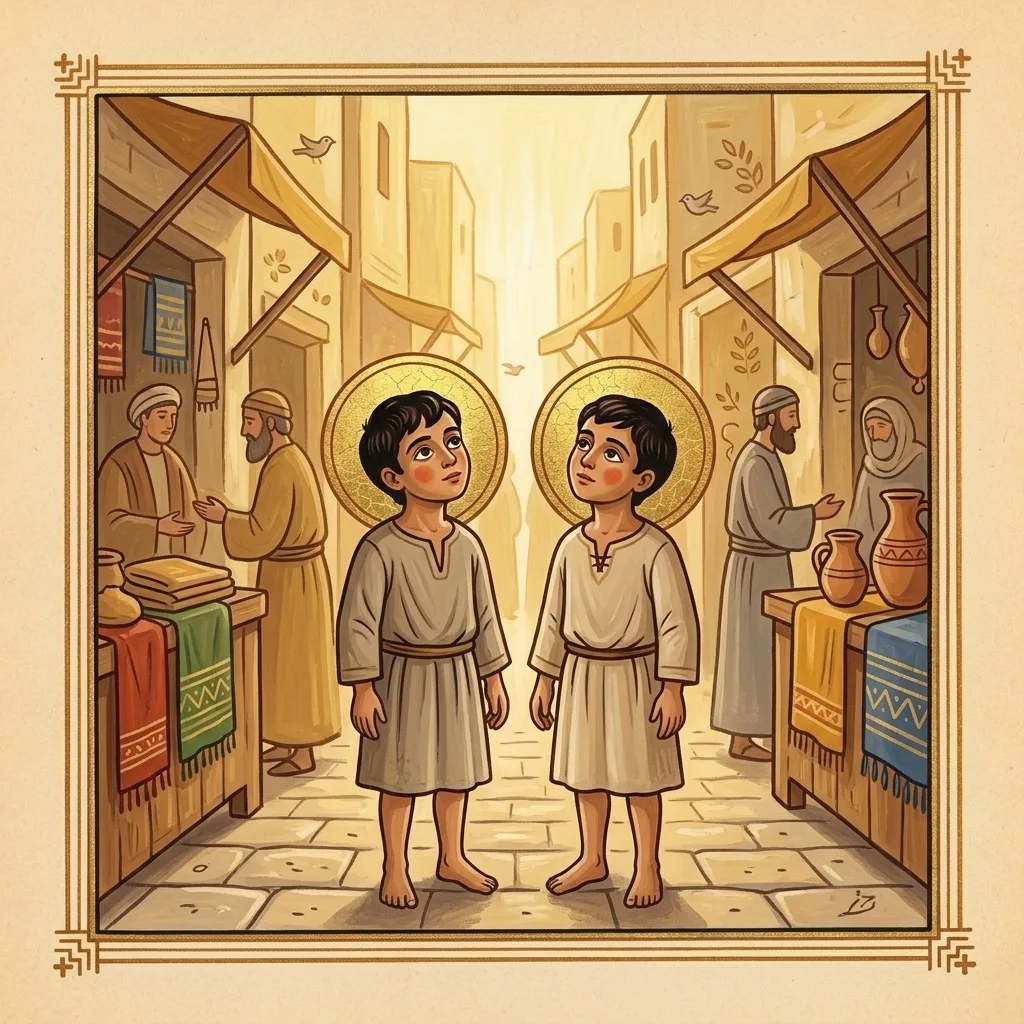
Thomas the Apostle — scene 22

Thomas is born in Galilee — a region of fishermen, farmers, and Roman soldiers. His Aramaic name, Toma, means 'Twin.' His Greek name, Didymus, means the same. No one knows his twin's name.
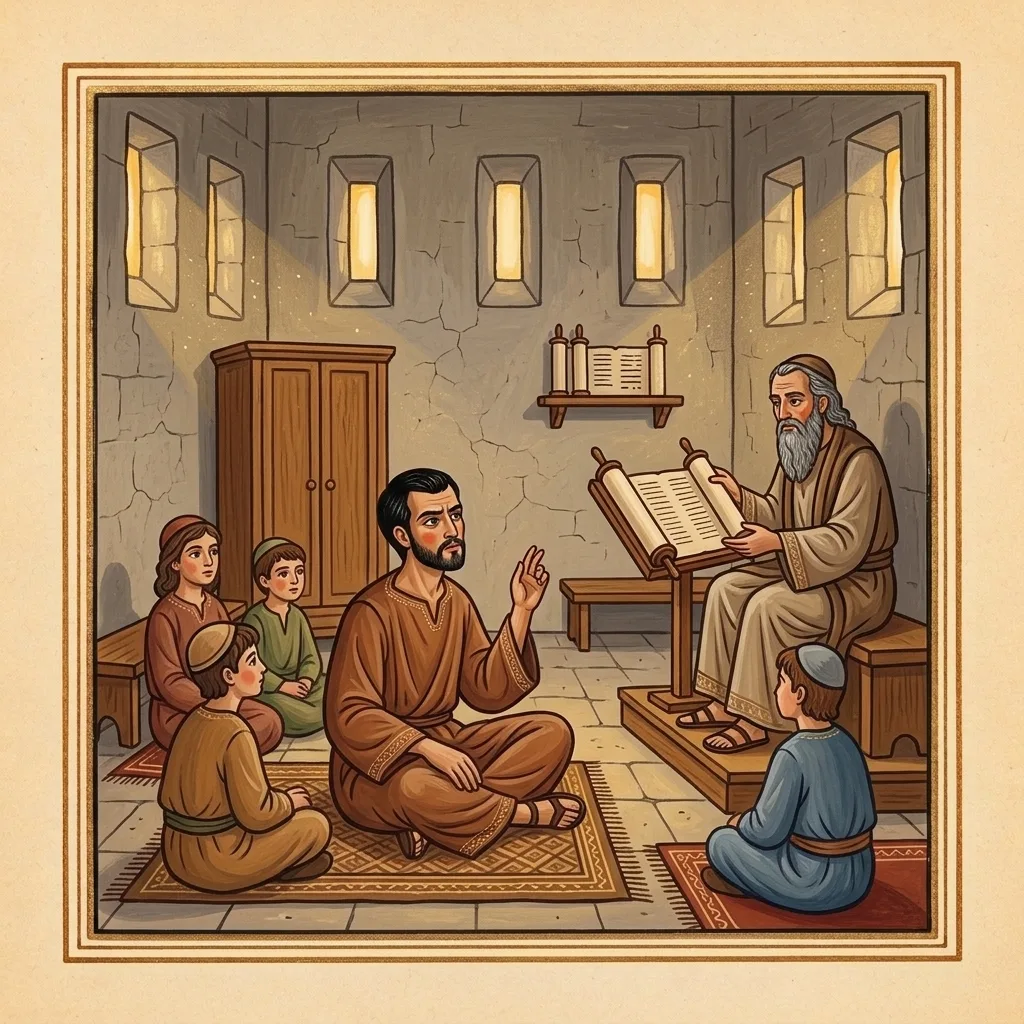
Thomas the Apostle — scene 33

Growing up near the Sea of Galilee, Thomas learns to ask hard questions and say what he means. He is not made for pretending. When he doesn't understand something, he says so — a rare and costly virtue.
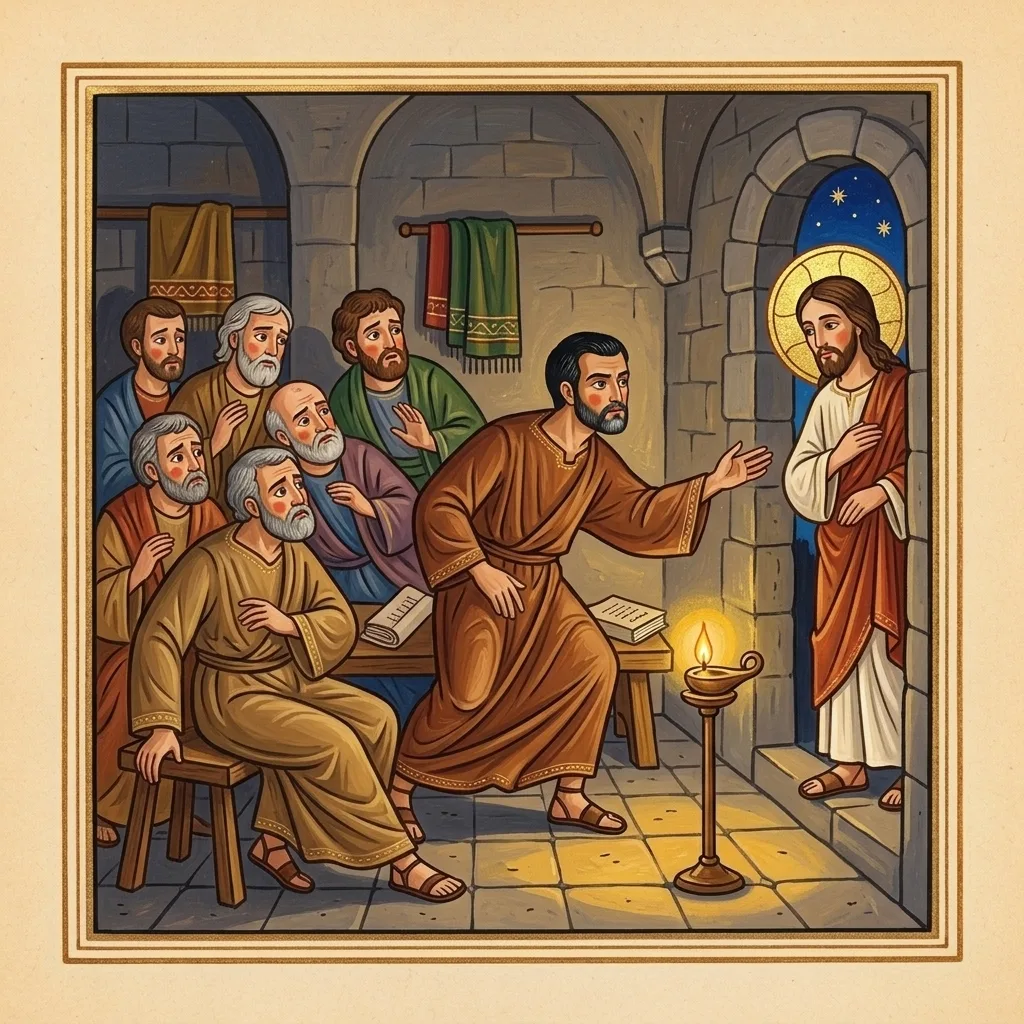
Thomas the Apostle — scene 44

Jesus has decided to return to Judea, where enemies wait to stone him. The disciples go pale. Thomas stands up: 'Let us also go, that we may die with him.' This is not doubt — this is love with its eyes open.
Thomas the Apostle — scene 55

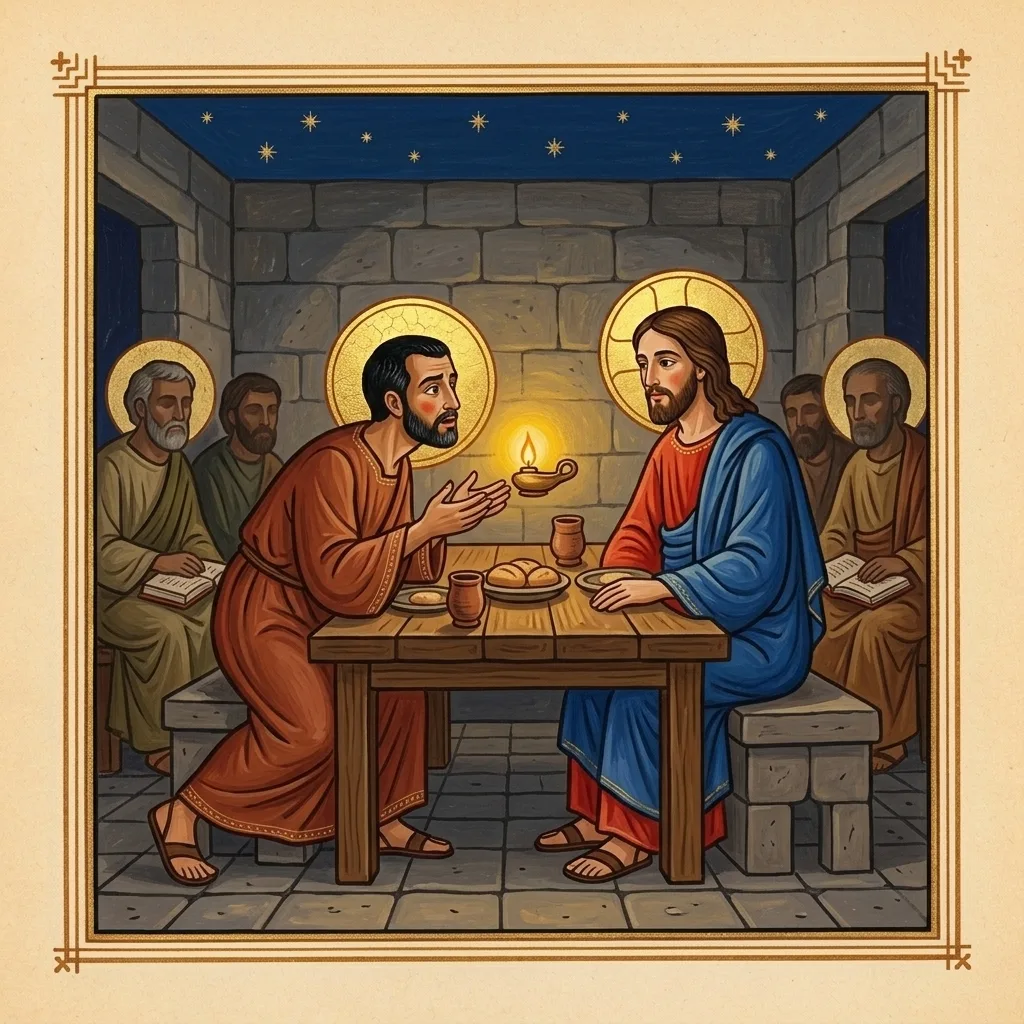
At the Last Supper, Thomas asks the question no one else dares: 'Lord, we do not know where you are going — how can we know the way?' His honesty draws from Jesus the answer that changes everything: 'I am the Way.'
Thomas the Apostle — scene 66

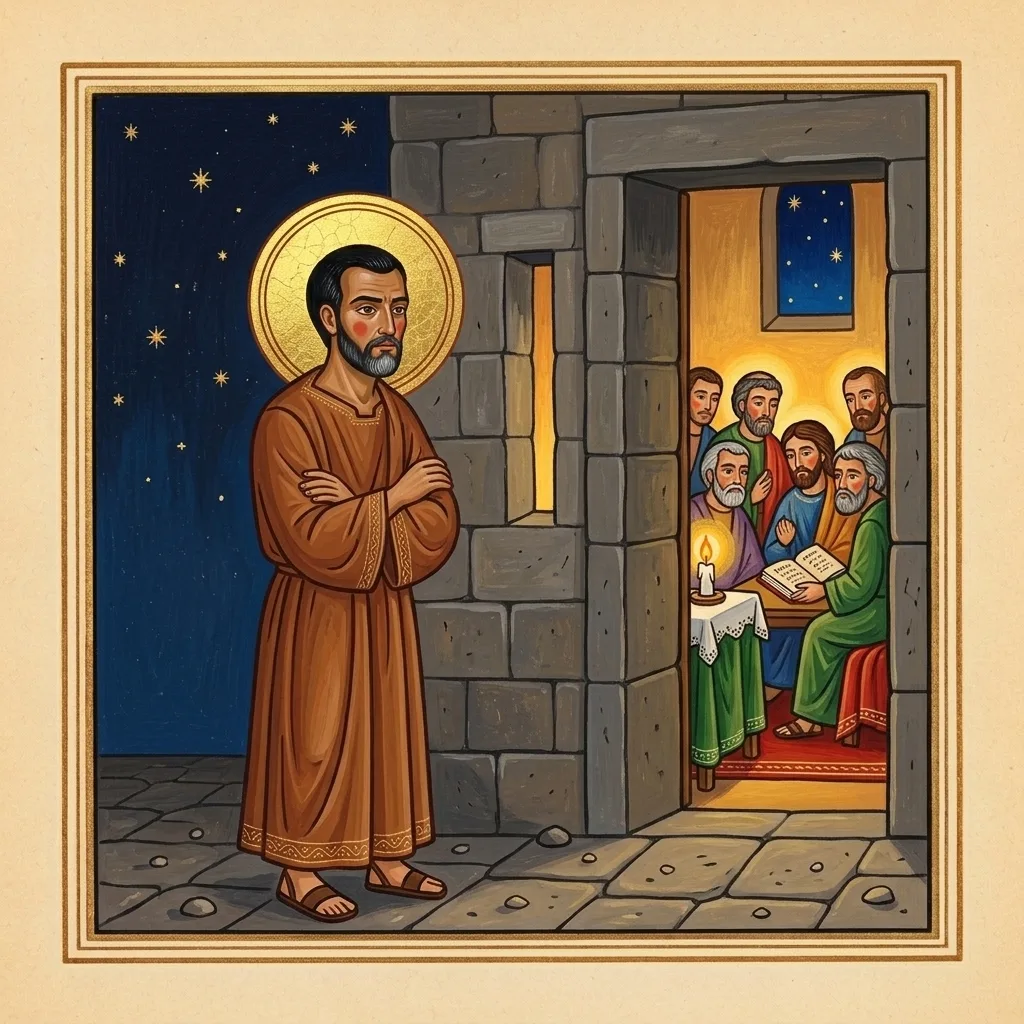
Easter night. The risen Christ appears to the gathered disciples. Thomas is not there. When they tell him, he shakes his head: 'Unless I touch the wounds myself, I will not believe.' He means every word.
Thomas the Apostle — scene 77

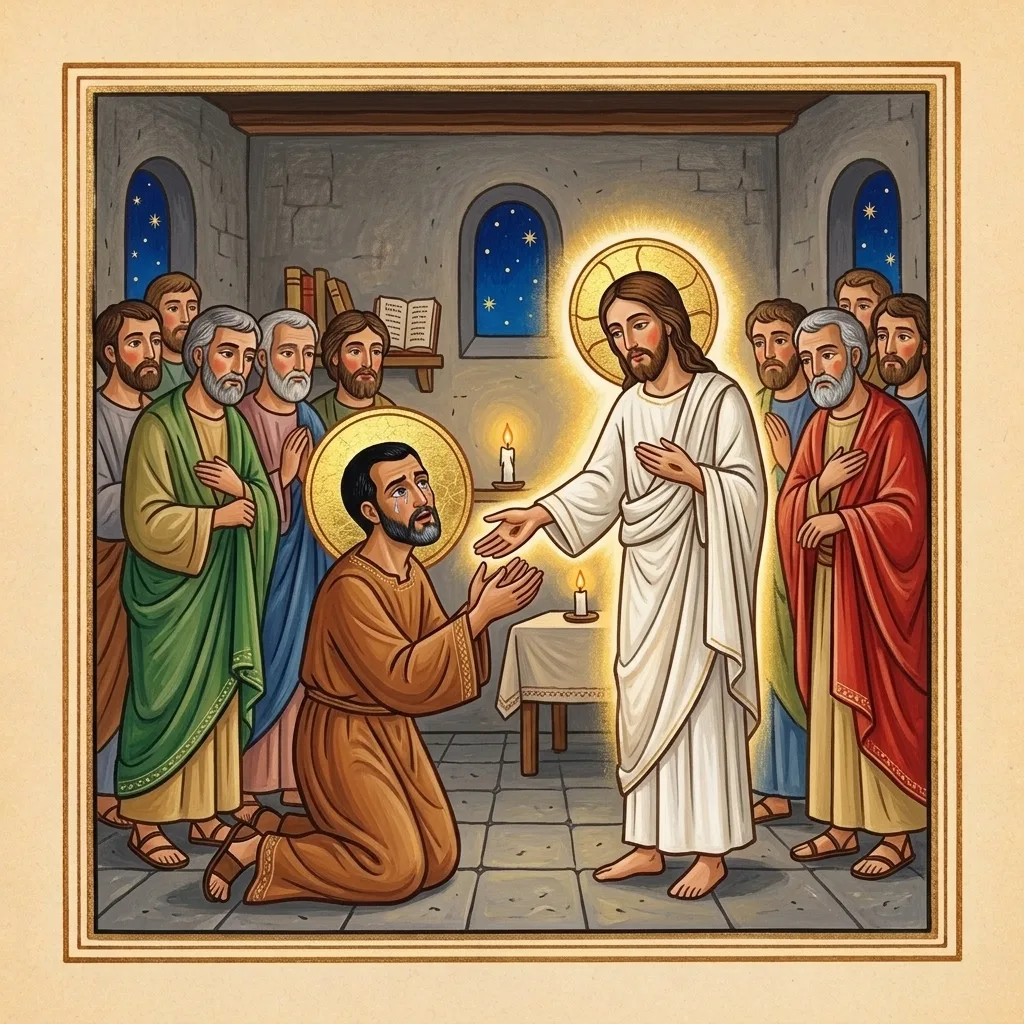
Eight days later, Jesus comes again — and looks straight at Thomas. 'Put your finger here. See my hands.' Thomas does not touch the wounds. He falls to his knees. 'My Lord and my God!' Nothing in the Gospels goes further.
Thomas the Apostle — scene 88

Here is the surprise: Thomas's doubt was not weakness. It was the hinge. His refusal to accept secondhand faith forced a second appearance — the one that gave the Church its clearest creed. God used his honesty.
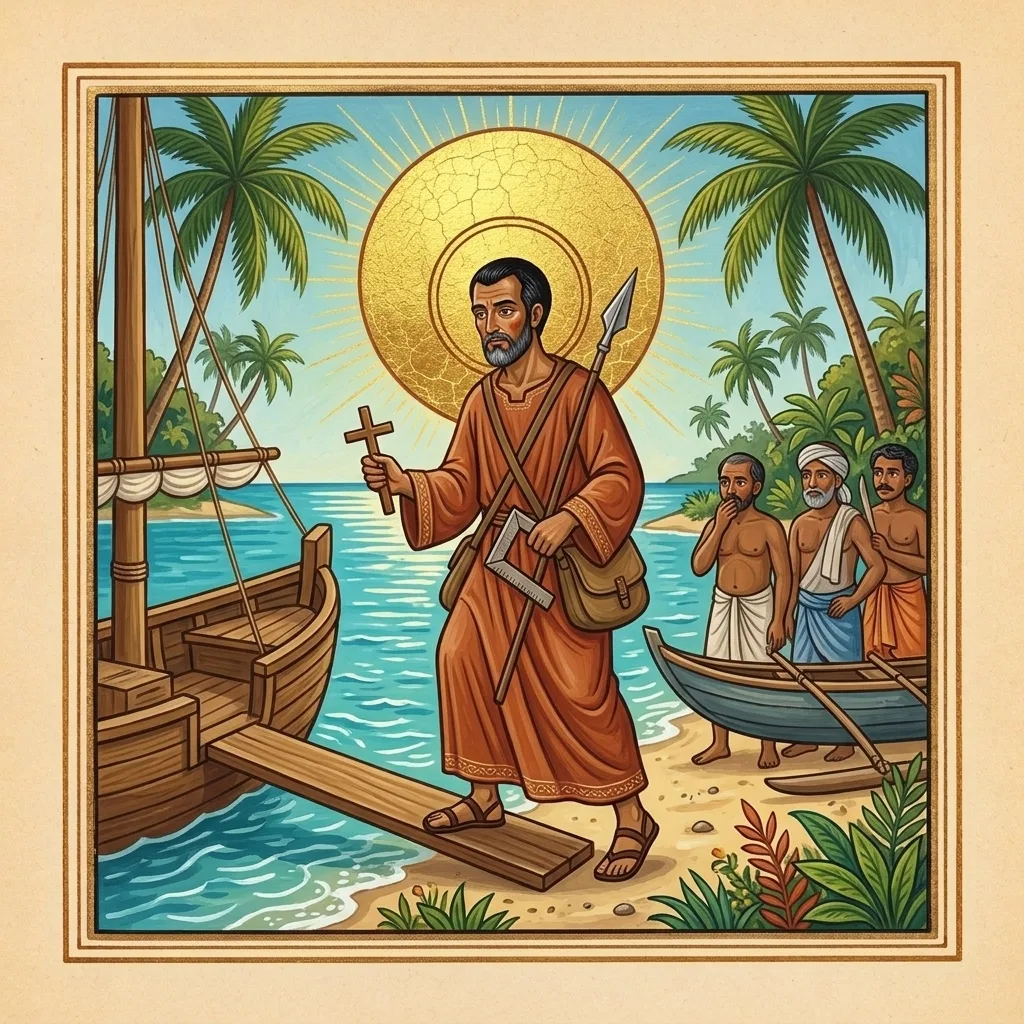
Thomas the Apostle — scene 99

Thomas travels east — further than any other Apostle. Through Mesopotamia, Persia, and finally into India. He arrives on the Malabar Coast around AD 52, a lone Jew with no army, no patron, no protection.
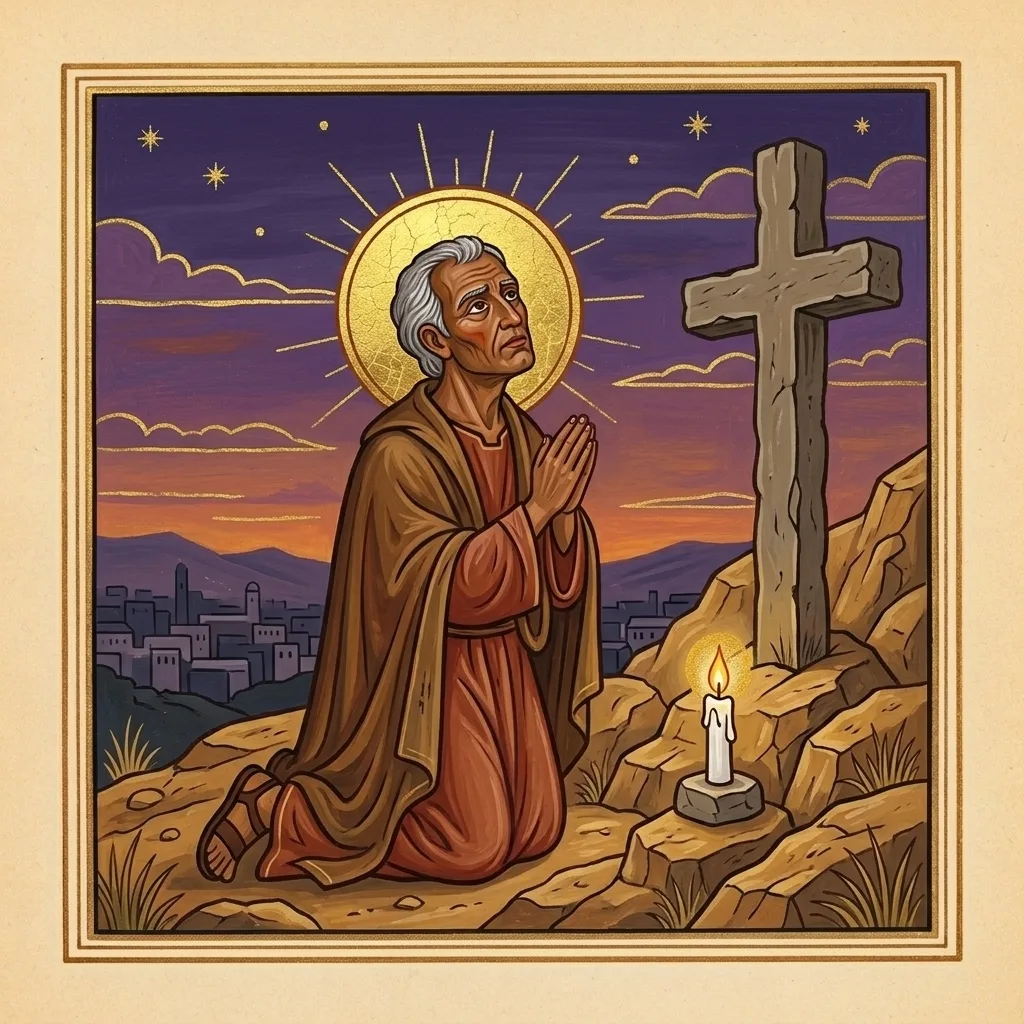
Thomas the Apostle — scene 1010

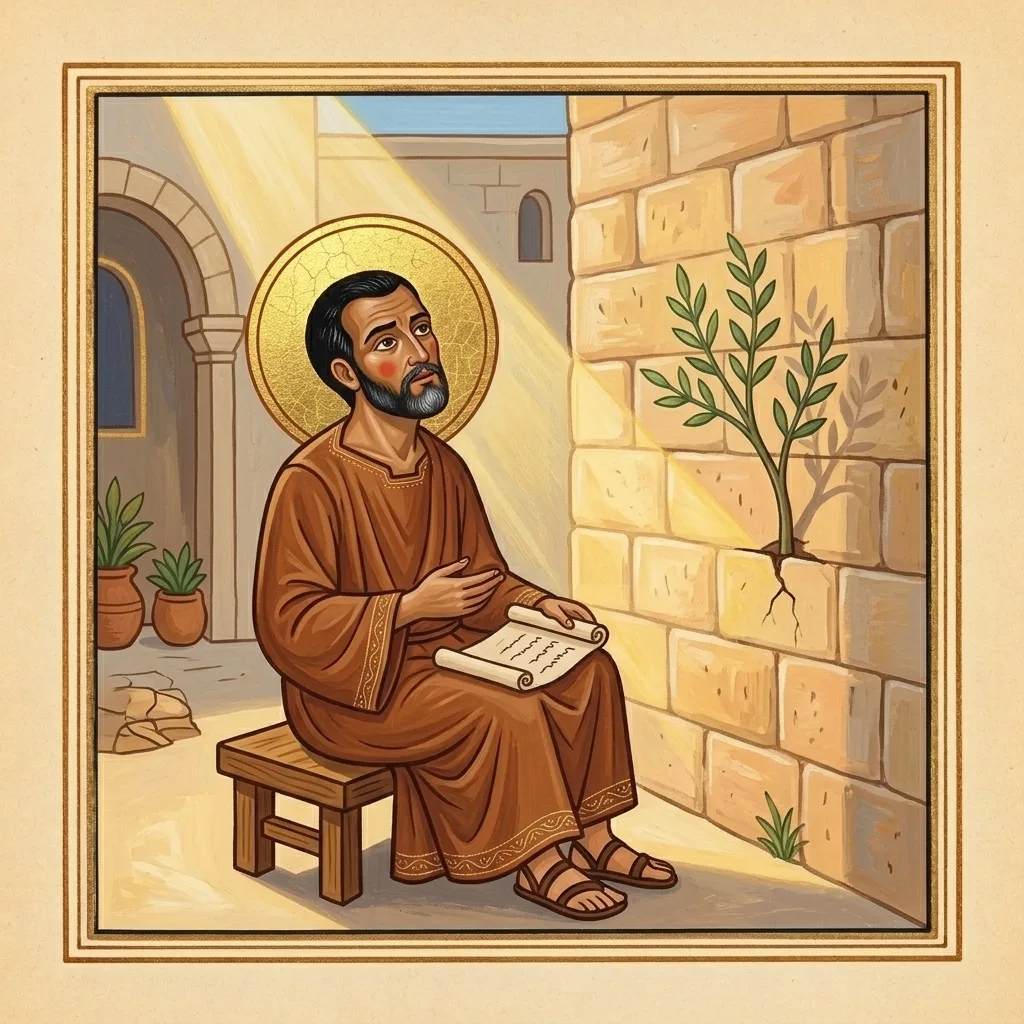
On St. Thomas Mount near Chennai, he prays alone before a stone cross at dusk. He knows what is coming. He has known for a long time. He kneels and does not run. The man who once demanded proof now needs none.
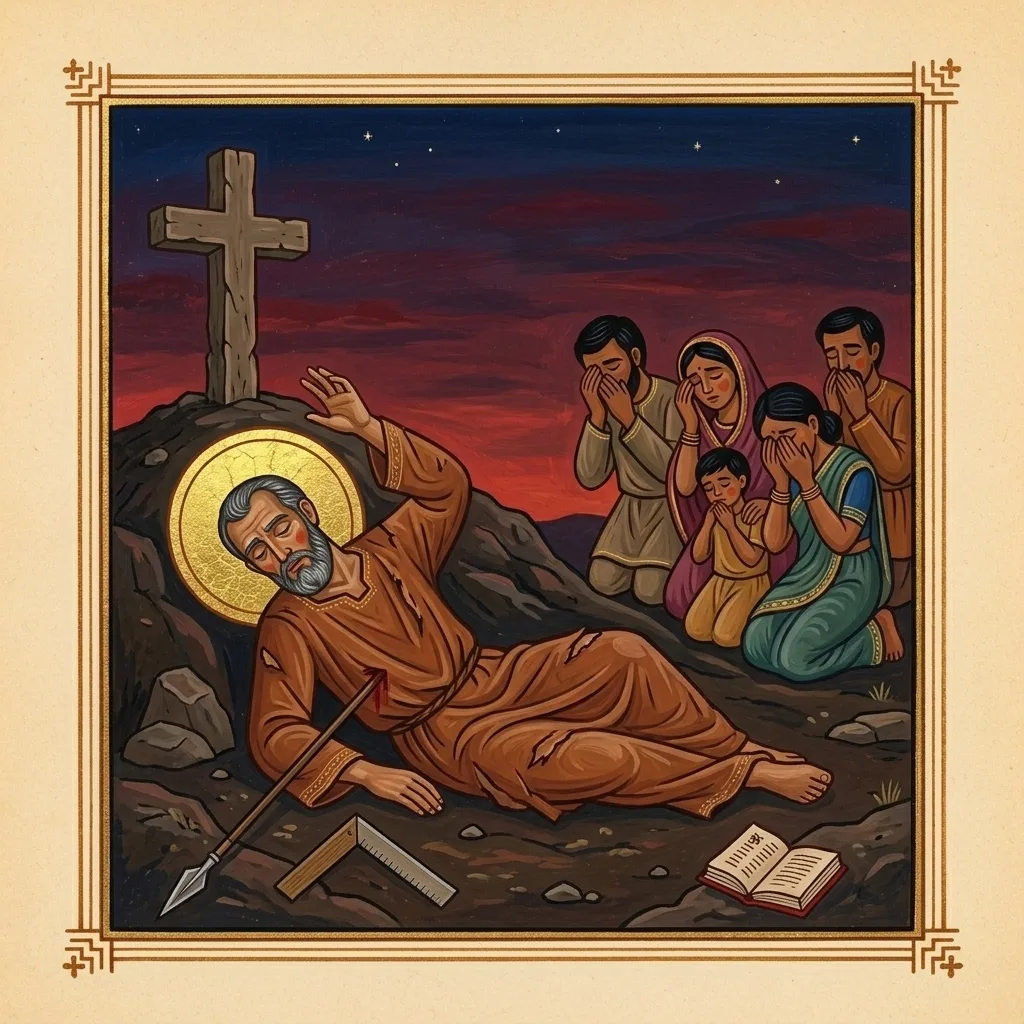
Thomas the Apostle — scene 1111

Around AD 72, Thomas is pierced with a spear on St. Thomas Mount while at prayer. He dies as he lived — honest, courageous, facing toward the thing he loves. A church rises over the place where he falls.
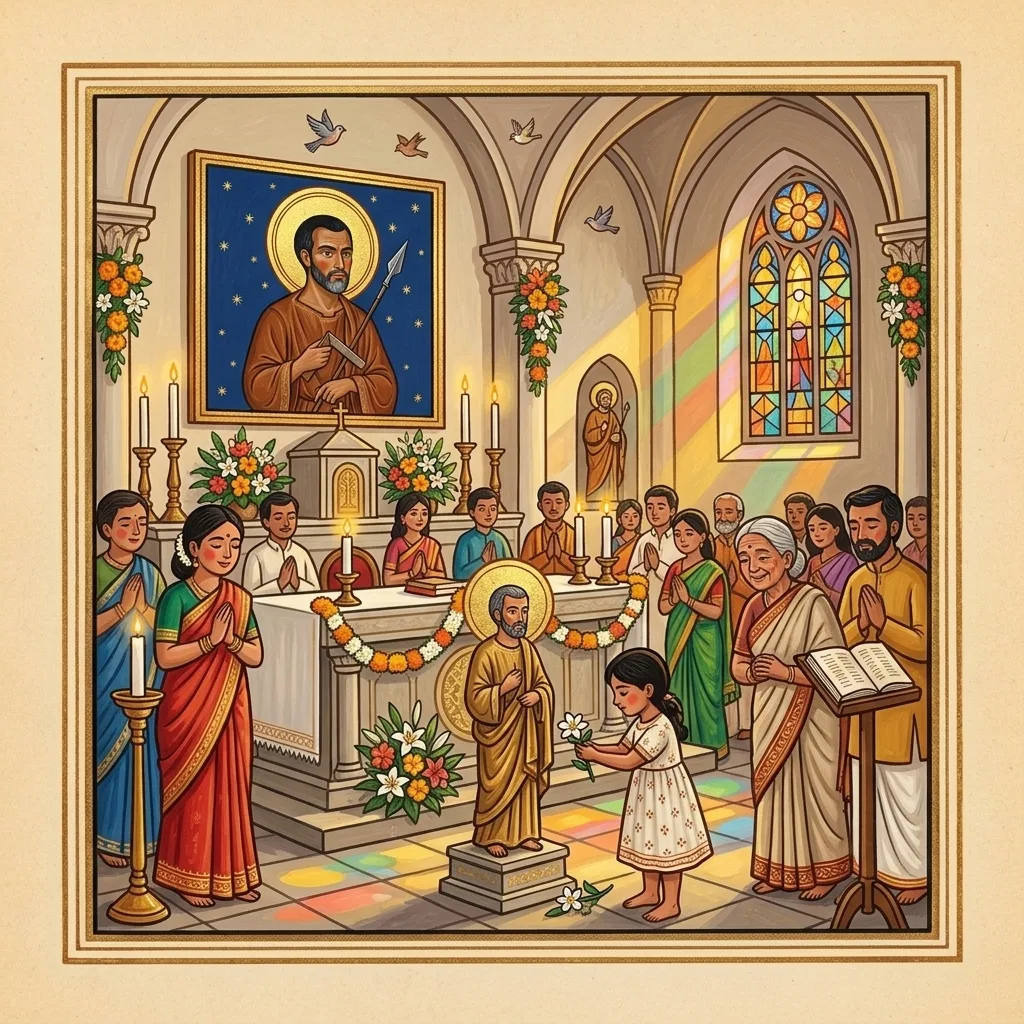
Thomas the Apostle — scene 1212

Today millions of Saint Thomas Christians in Kerala trace their faith directly to him. The San Thome Basilica in Chennai is built over his tomb. His feast, July 3, is celebrated as Indian Christians' Day across the subcontinent.
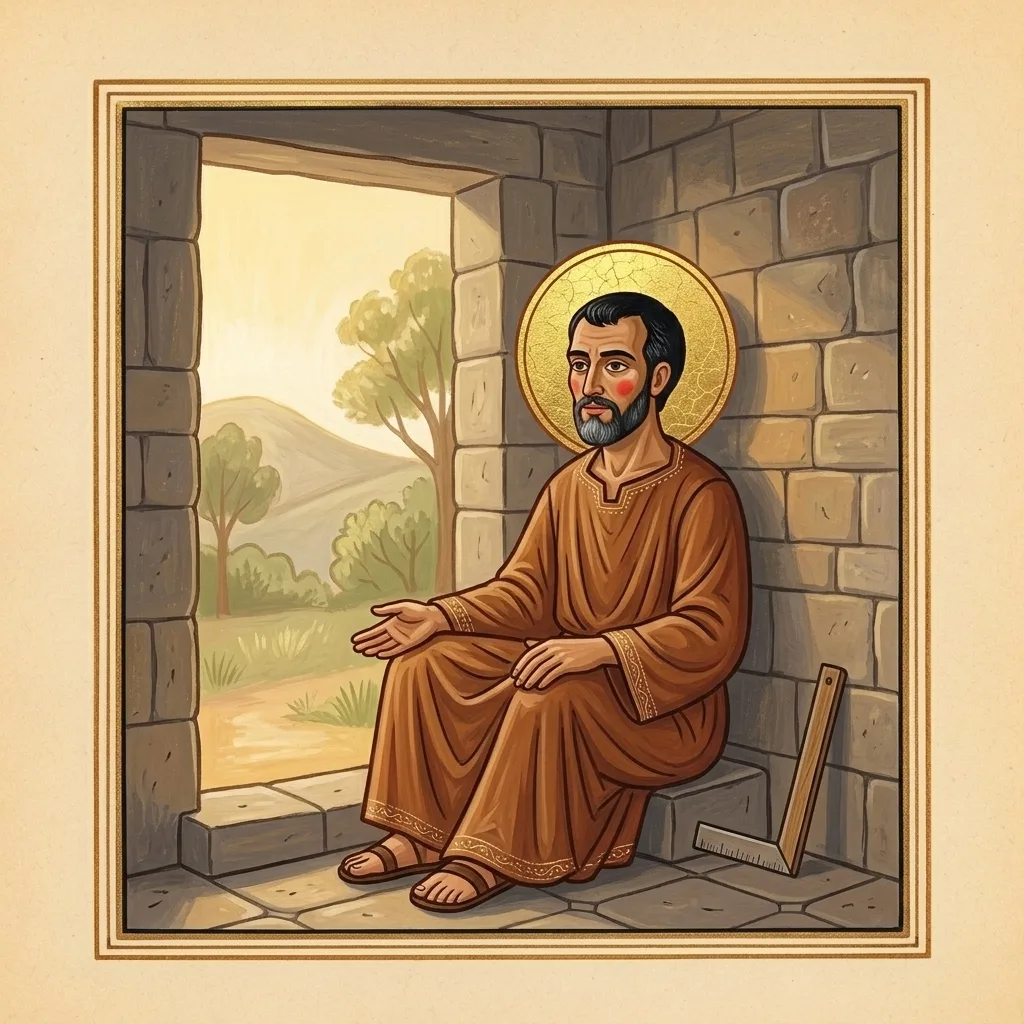
Thomas the Apostle — scene 1313

Thomas's gift to us is permission to be honest with God. Doubt, brought into the open, became a doorway. He did not pretend. He asked. And Christ came. Whatever you are holding back — bring it. He can take it.

Begin the full lesson~2 min

Life & Times

Early Life

A Jew from Galilee, called to be one of the Twelve. Known for his courage ('Let us go and die with him') and his questioning nature.

Turning Point

Absent on Easter night, he refused to believe until he saw the wounds of Christ, famously declaring 'My Lord and my God' upon his return.

Legacy

Traveled further than any other Apostle, carrying the Gospel to Persia and eventually India, where he was martyred.

Key Moments
1 / 8
1
1

Born in Galilee

Born a Jew in Galilee. His name in Aramaic means 'Twin' (Didymus in Greek).

28
28

Called by Jesus

Called to be one of the Twelve Apostles. Known for his courage, saying 'Let us also go, that we may die with him' when Jesus resolved to return to Judea despite threats on his life.

33
33

Absent on Easter

Missed Jesus's first appearance to the apostles after the Resurrection. Declared 'Unless I see the nail marks in his hands... I will not believe.'

33
33

My Lord and My God

Eight days later, Jesus appeared again and invited Thomas to touch his wounds. Thomas responded: 'My Lord and my God!' — a direct confession of Christ's divinity, the clearest in the Gospels.

37
37

Mission to Mesopotamia

Thomas began founding the Church of the East in the Edessa and Upper Mesopotamia region (modern southeastern Turkey), evangelizing both Jews and pagans for several years before pressing further east.

52
52

Arrival in India

According to the tradition of the Saint Thomas Christians, Thomas reached Muziris (modern North Paravur and Kodungalloor) on the Malabar Coast of Kerala, establishing communities that survive to this day.

68
68

Mylapore Mission

Moved to the east coast of India near modern Chennai (Mylapore), where he continued preaching despite growing opposition.

72
72

Martyrdom

Martyred on St. Thomas Mount near Mylapore while praying; according to tradition, he was pierced with a spear. In 1258 some relics were brought to Ortona, Abruzzo, Italy, where they rest in the Church of Saint Thomas the Apostle.

1

Historical Context

Thomas the Apostle, often called 'Doubting Thomas,' is one of the Twelve Apostles whose story speaks powerfully to the relationship between faith and evidence. Known in Greek as Didymus ('the Twin'), Thomas appears in all four Gospels and the Acts of the Apostles, but it is in the Gospel of John where his character comes most vividly to life. Thomas first demonstrates his courage in John 11, when Jesus resolves to return to Judea despite threats on his life. While other disciples hesitate, Thomas declares, 'Let us also go, that we may die with him' — revealing a man of deep loyalty, not the timid doubter of popular imagination. At the Last Supper, it is Thomas who asks the earnest question, 'Lord, we do not know where you are going. How can we know the way?' — prompting Jesus' famous response, 'I am the way, the truth, and the life.' The episode for which Thomas is best known occurs after the Resurrection. Absent when the Risen Christ first appeared to the gathered disciples, Thomas refused to believe their testimony, insisting, 'Unless I see the mark of the nails in his hands and put my finger in the mark of the nails and my hand in his side, I will not believe.' Eight days later, Jesus appeared again and invited Thomas to touch his wounds. Thomas answered with the most direct confession of Christ's divinity in all the Gospels: 'My Lord and my God!' After Pentecost, Thomas founded the Church of the East in the Edessa and Upper Mesopotamia region (modern southeastern Turkey), evangelizing Jews and pagans there for several years before pressing further east. Ancient tradition, recorded in the third-century Acts of Thomas, holds that he eventually carried the Gospel to India. According to the tradition of the Saint Thomas Christians of Kerala, Thomas reached Muziris (modern North Paravur and Kodungalloor) around AD 52. That community, numbering several million today, traces its founding to his mission on the Malabar Coast. Thomas later moved to the east coast of India, where he preached near modern Chennai. According to tradition, he was martyred around AD 72 on St. Thomas Mount, killed by spear while at prayer. The San Thome Basilica in Chennai is built over what is venerated as his tomb. In 1258, some of his relics were brought to Ortona in Abruzzo, Italy, where they remain in the Church of Saint Thomas the Apostle. The Church of Rome celebrates his feast on July 3, observed by Indian Christians as Indian Christians' Day — a measure of the singular importance Thomas holds for Asian Christianity.
Canonization: saint Wikipedia

Life Locations

Words & Wisdom

Let us also go, that we may die with him.

Prayers
"Thomas's exclamation upon recognizing the Risen Christ (John 20:28), used in Catholic tradition as a short act of faith at the elevation of the Host during Mass."

My Lord and my God!

spearMartyrdom
carpenter squareBuilder of Churches

Related Saints

Connections in the communion of saints

Begin Lesson · ~2 min