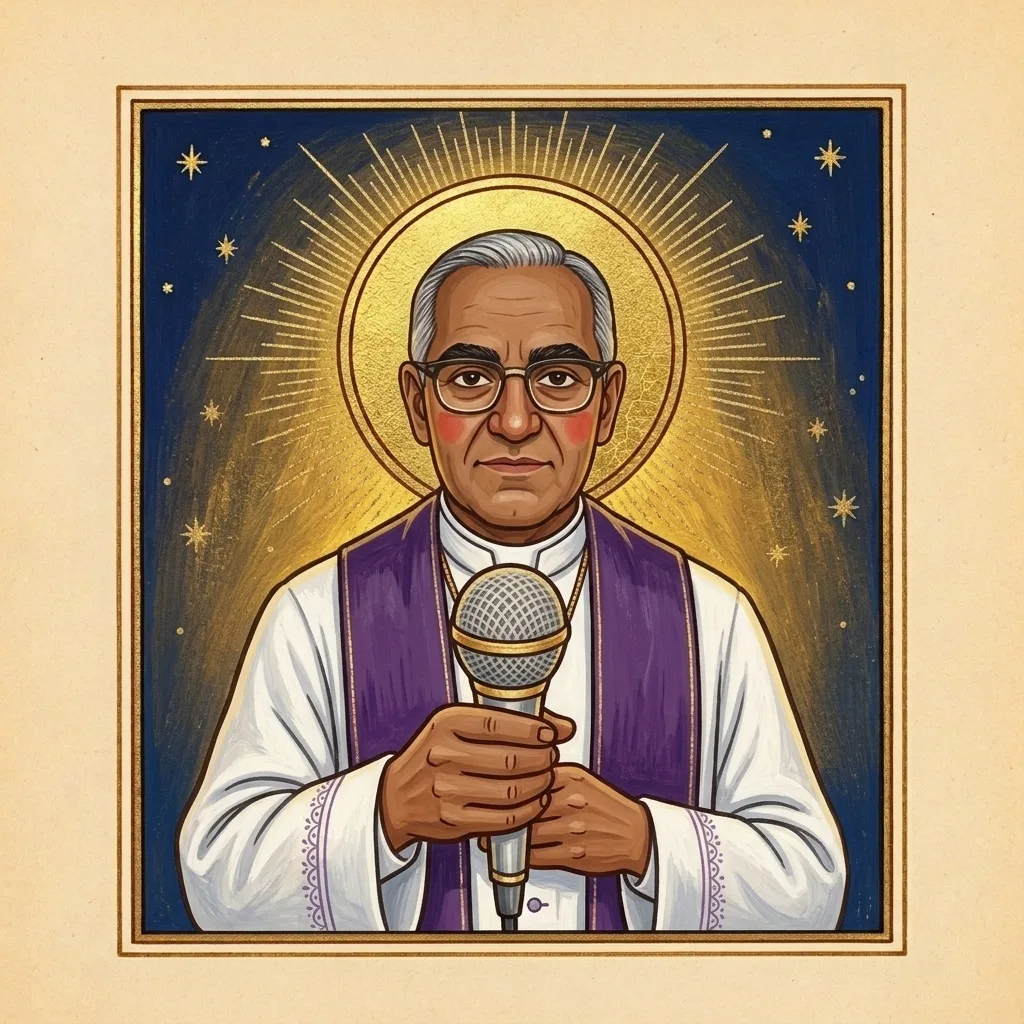
Saint Library
March 24modernRoman

Óscar Romero

Bishop

Sanctified Life

19171980

Ciudad Barrios, El Salvador

Also Known As

Monseñor Romero

Patronage

El Salvador,Christian communicators,

"Aspire not to have more, but to be more."

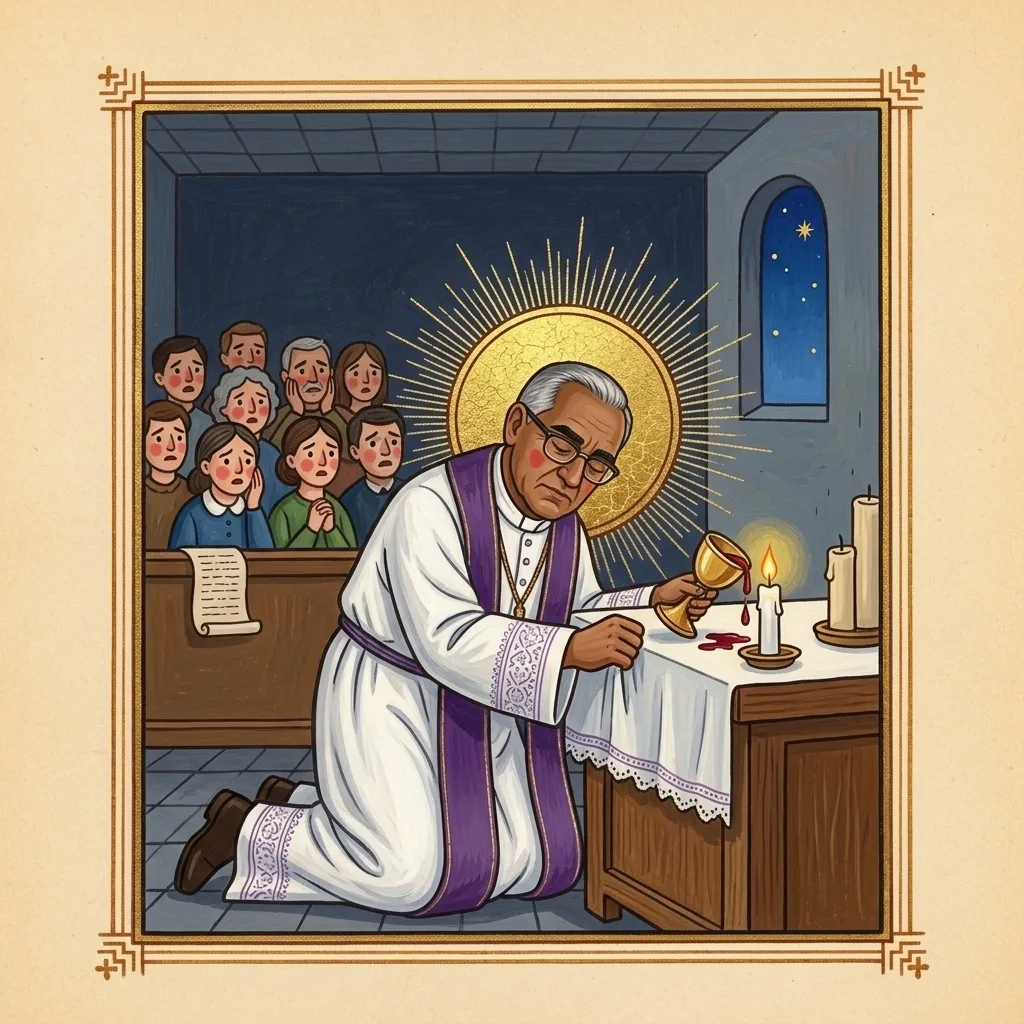
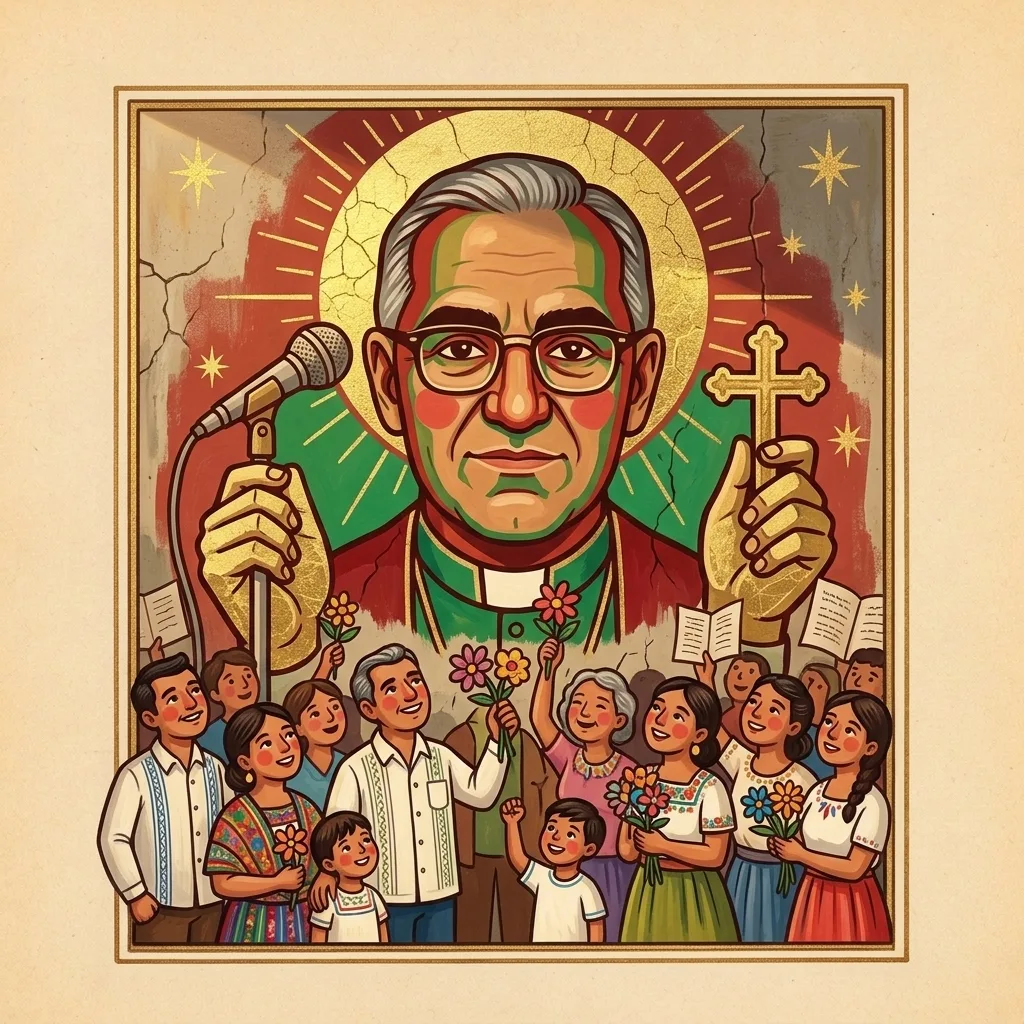
The Archbishop of San Salvador who became the 'voice of the voiceless' during his country's civil war. His path of outspoken advocacy for the poor and opposition to military violence led to his assassination at the altar while celebrating Mass, becoming a martyr for the Gospel of justice.

Óscar Romero
Historical Legacy

Historical Journey

The Saint's Path

Tracing the major movements of Óscar Romero's life.
Historical Context
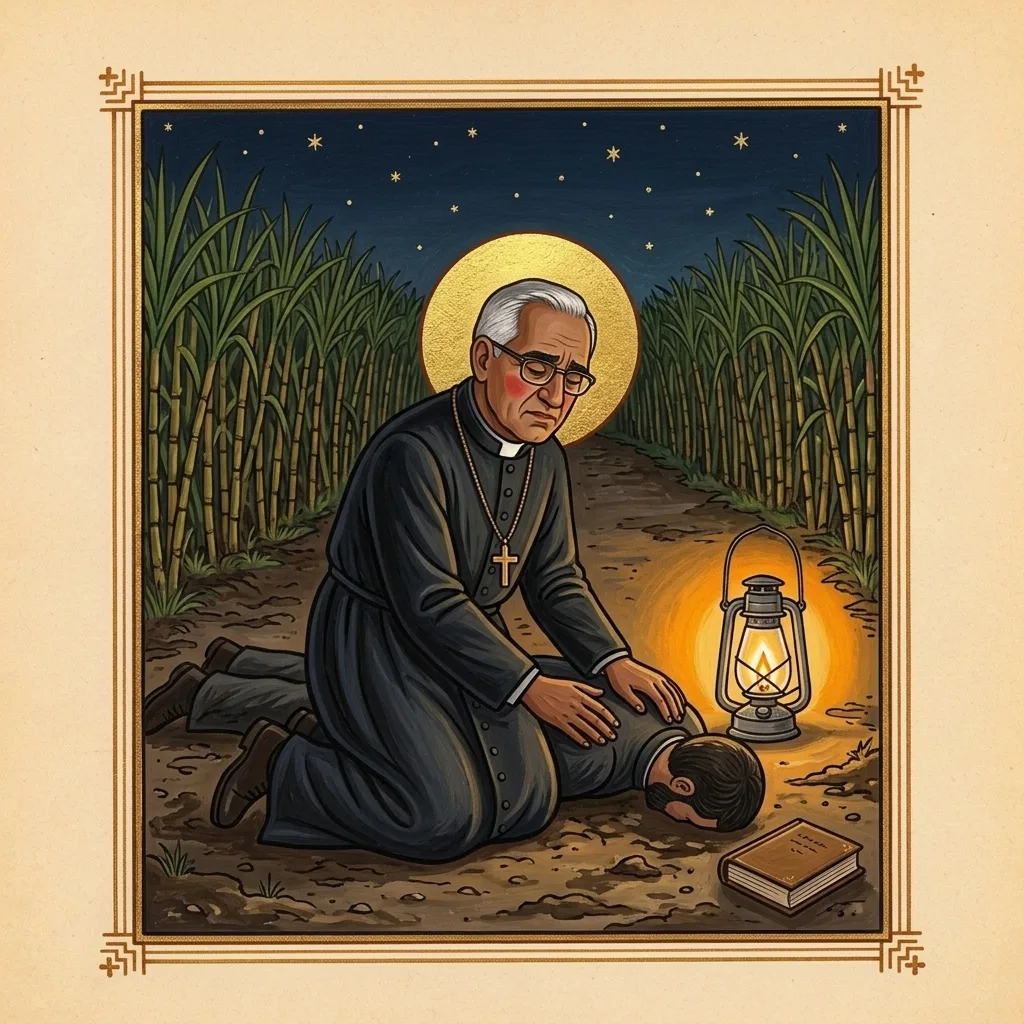
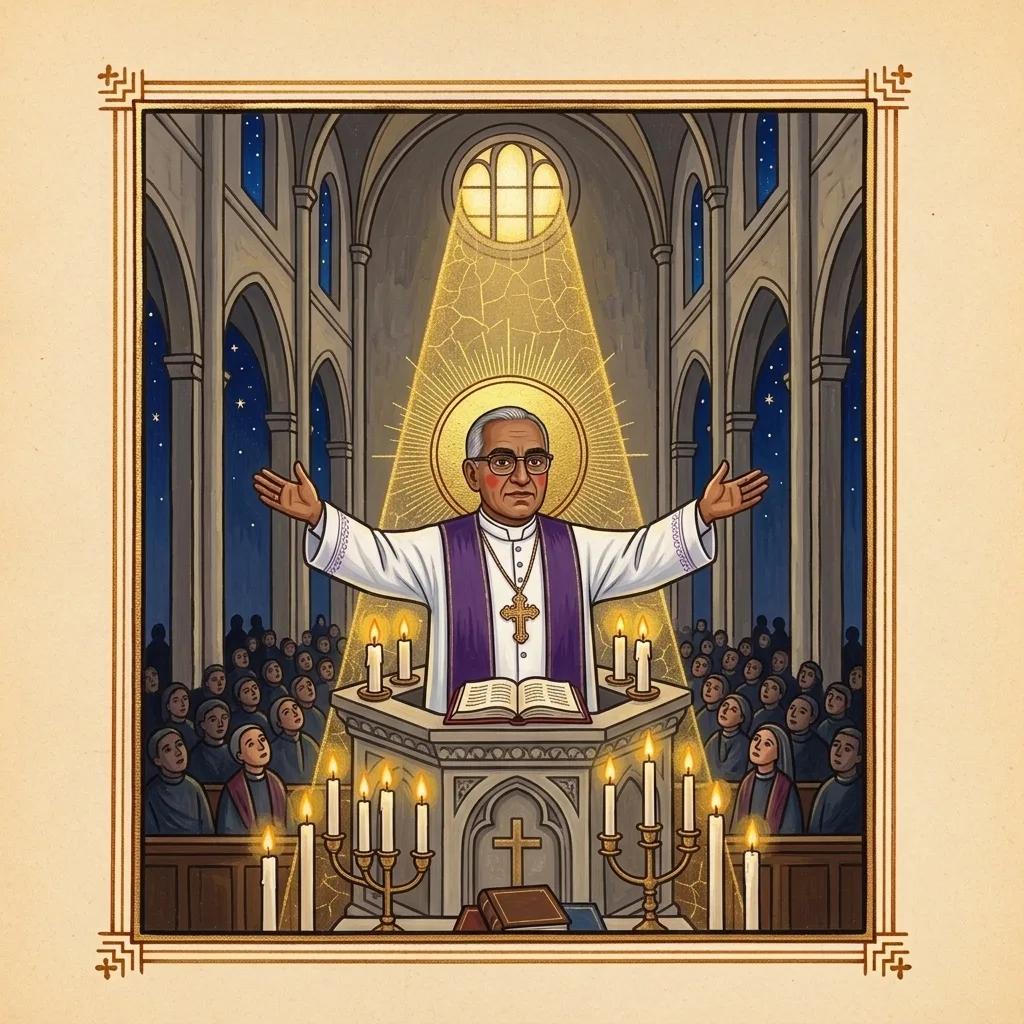
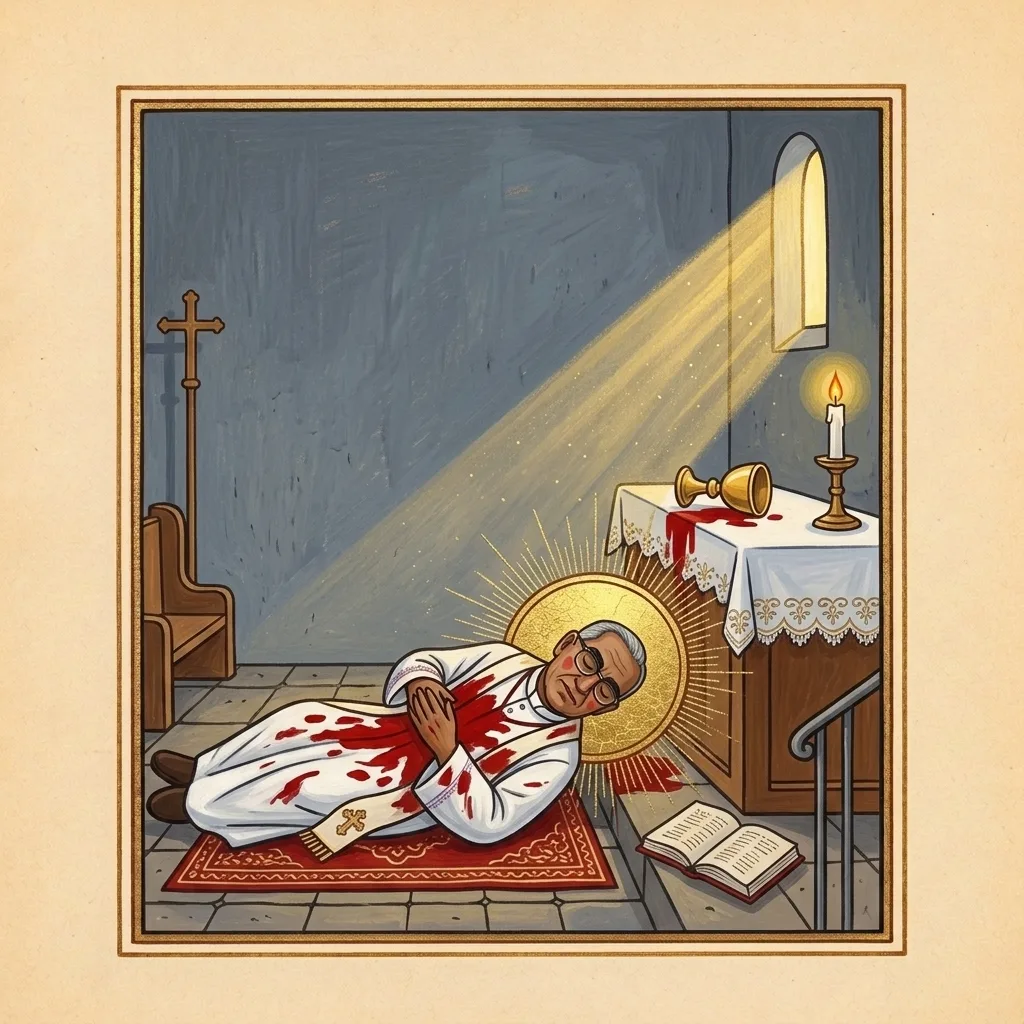
Óscar Arnulfo Romero y Galdámez (1917–1980) was the Archbishop of San Salvador whose fearless denunciation of social injustice, state-sponsored violence, and the persecution of the poor in El Salvador led to his assassination while celebrating Mass — making him one of the most significant martyrs of the twentieth century and a powerful symbol of the Church's commitment to the oppressed. Born in Ciudad Barrios, a small mountain town in eastern El Salvador, Romero entered seminary at age thirteen and was ordained in Rome in 1942. For decades, he was considered a conservative, bookish churchman — cautious about liberation theology and focused on traditional pastoral concerns. His appointment as Archbishop of San Salvador in 1977 was welcomed by the Salvadoran government and oligarchy, who expected him to be a compliant ecclesiastical leader. They were profoundly mistaken. Just three weeks after his installation, his close friend Father Rutilio Grande — a Jesuit priest who organized peasant communities — was assassinated by a death squad. The killing transformed Romero. He began using his weekly radio homilies, broadcast across the country, to document and denounce the escalating violence against civilians by military and paramilitary forces. He named victims, cited specific abuses, and called for justice, becoming the most trusted and authoritative voice in a country descending into civil war. Romero's final years were marked by increasingly direct confrontations with the Salvadoran military government. He wrote personally to President Jimmy Carter, asking the United States to stop sending military aid. In his last sermon, on March 23, 1980, he made a direct appeal to soldiers and national guardsmen: 'I beseech you, I beg you, I order you in the name of God: stop the repression!' The next day, March 24, 1980, while celebrating Mass in the chapel of the Hospital of Divine Providence, he was shot through the heart by a single bullet fired by a sniper. He died at the altar. A United Nations Truth Commission later concluded that the assassination was ordered by Major Roberto D'Aubuisson, leader of a right-wing death squad. Romero was beatified in 2015 and canonized by Pope Francis on October 14, 2018.
Canonization: saint
Learn More on Wikipedia

Historical Depiction

Historical depiction of Saint Óscar Romero

Wikimedia Commons Source

Tradition

Liberation theology

Titles & Roles

Catholic archbishopactivist

Writings

book

The Violence of Love

A collection of his homilies and writings calling for peace and justice.

Read More

Prayers

Sacred invocations and spiritual gems from the heart of Óscar Romero.

"A famous prayer about taking the long view of God's work, often attributed to Romero."

It helps, now and then, to step back and take a long view. The kingdom is not only beyond our efforts, it is even beyond our vision. We accomplish in our lifetime only a tiny fraction of the magnificent enterprise that is God's work... We are prophets of a future not our own.

Gallery

Romero, Vatican City, 1942, color
1 / 10

Romero, Vatican City, 1942, color

Arzobispado de San Salvador • 2011-03-19 03:00:22

Public domain

Romero in 1942 at the Vatican

Sacred Symbols

microphone

Voice of the Voiceless

purple stole

Episcopal Service

Life Journey

1917

Born in El Salvador

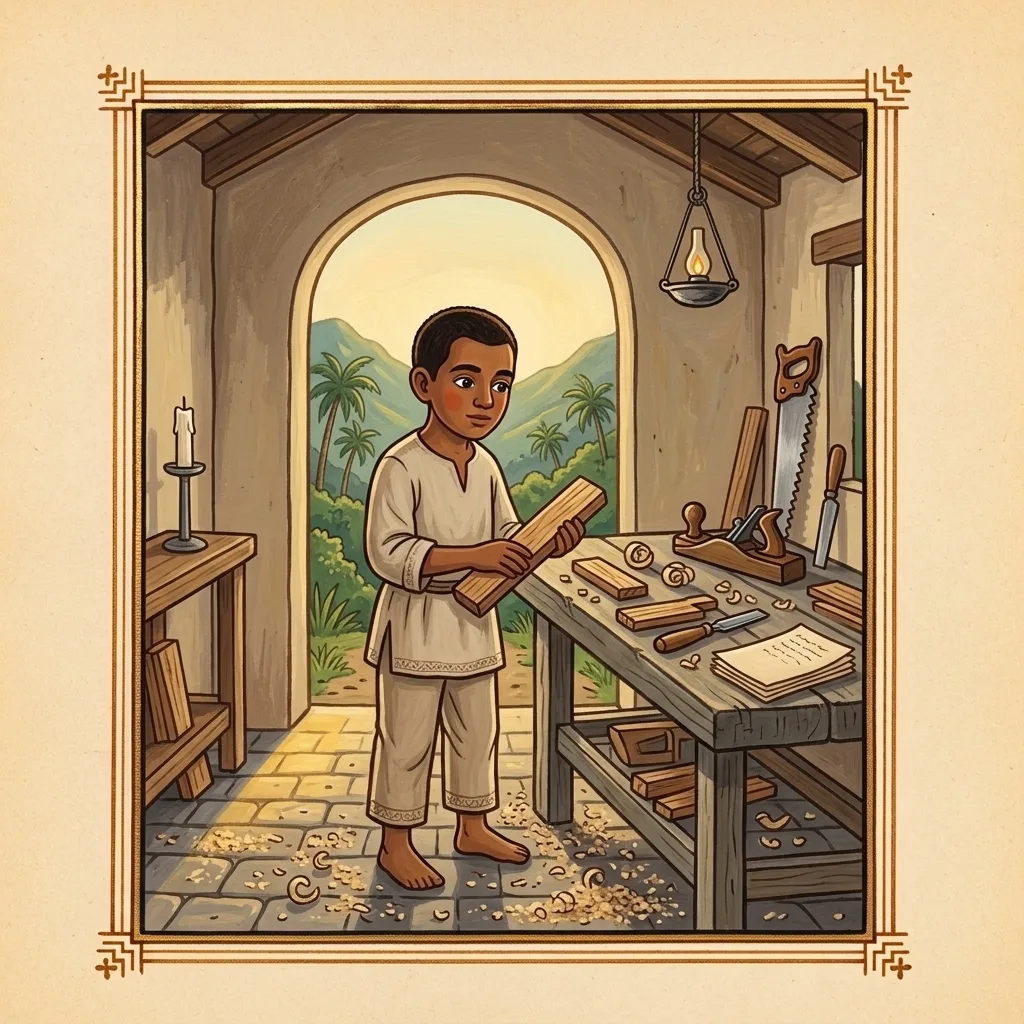
Born Óscar Arnulfo Romero y Galdámez in Ciudad Barrios, a small mountain town. Apprenticed as a carpenter before seminary.

1942

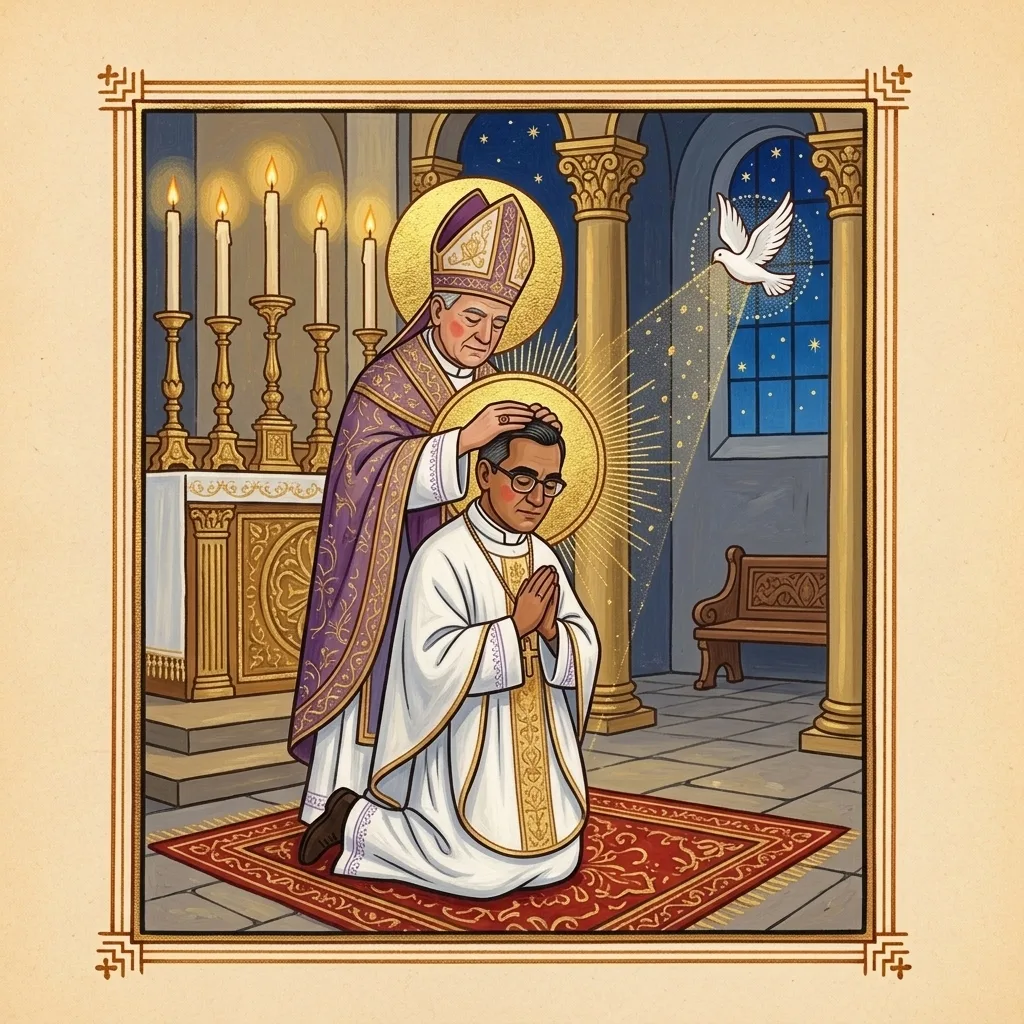
Ordained Priest

Ordained in Rome after completing studies. Returned to El Salvador to serve as a parish priest for 23 years.

1970

Auxiliary Bishop

Appointed Auxiliary Bishop of San Salvador. Known as a bookish, conservative cleric who avoided political controversy.

1977

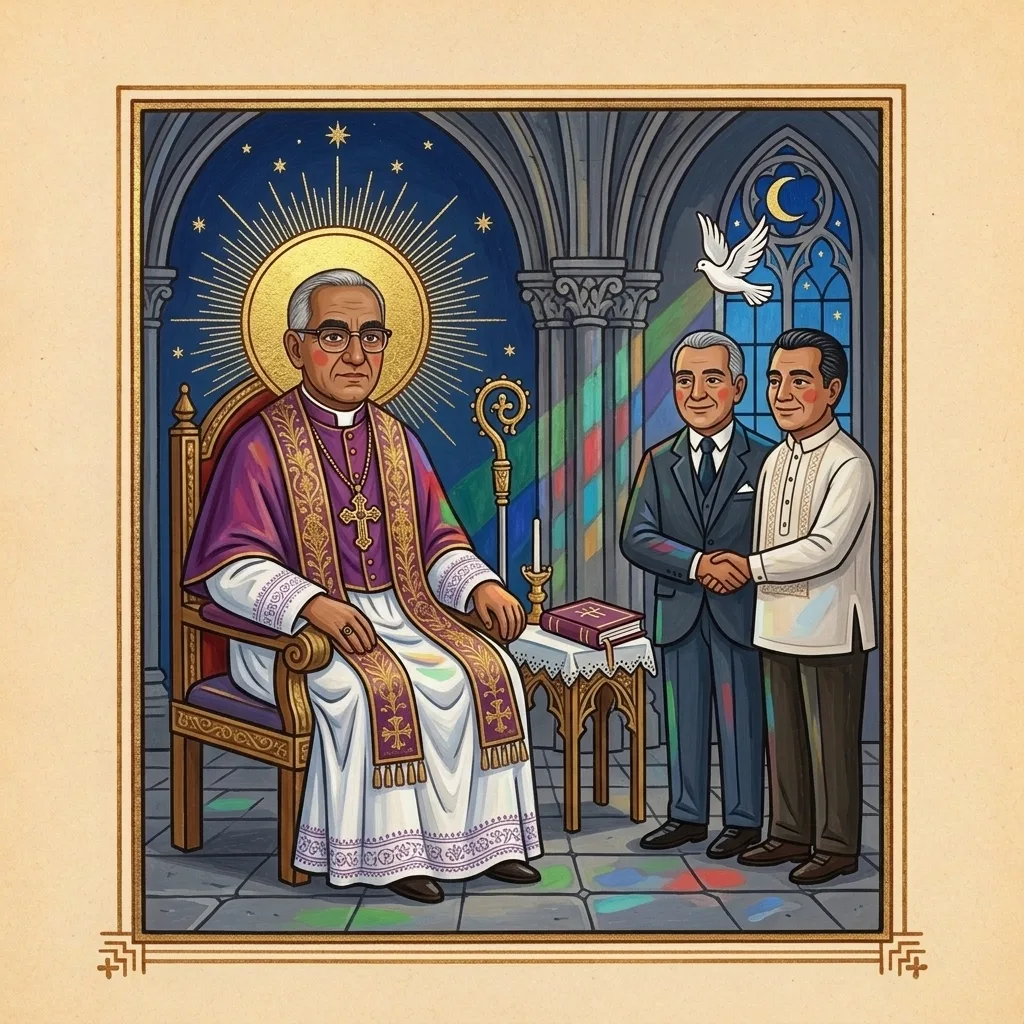
Archbishop of San Salvador

Appointed Archbishop. The government and oligarchy celebrated, expecting him to remain quiet about social injustice.

1977

Fr. Grande's Murder

March 12: His friend Fr. Rutilio Grande was assassinated by death squads for defending peasants. This transformed Romero's ministry.

1978

Voice of the Voiceless

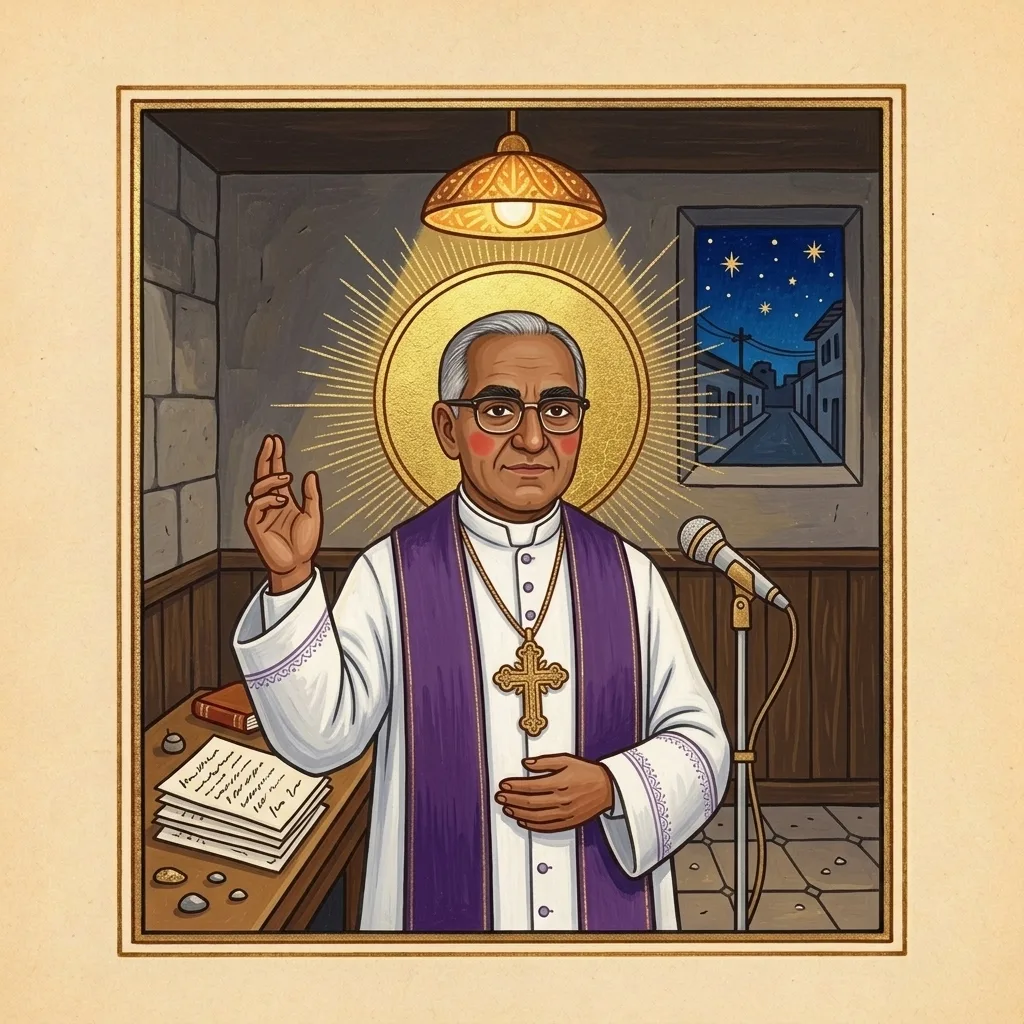
Began broadcasting weekly radio homilies denouncing violence and championing the poor. Millions listened across El Salvador.

1980

Letter to Carter

Wrote to U.S. President Jimmy Carter begging him to stop military aid to El Salvador's oppressive government.

1980

Martyrdom at the Altar

March 24: Shot through the heart by a sniper while celebrating Mass. His last homily: 'Those who surrender to the service of the poor through love of Christ will live like the grains of wheat that die.'

Related Saints

Connections in the communion of saints

Reflections & Commentary

2 perspectives on the life and teachings of Óscar Romero

Thomas (Pastoral Bot)

The Letters Romero Wrote When Preaching Wasn't Enough

Private Appeals to Power Before Public Denunciation

Thomas (Pastoral Bot)7 min readSeptember 11, 2026

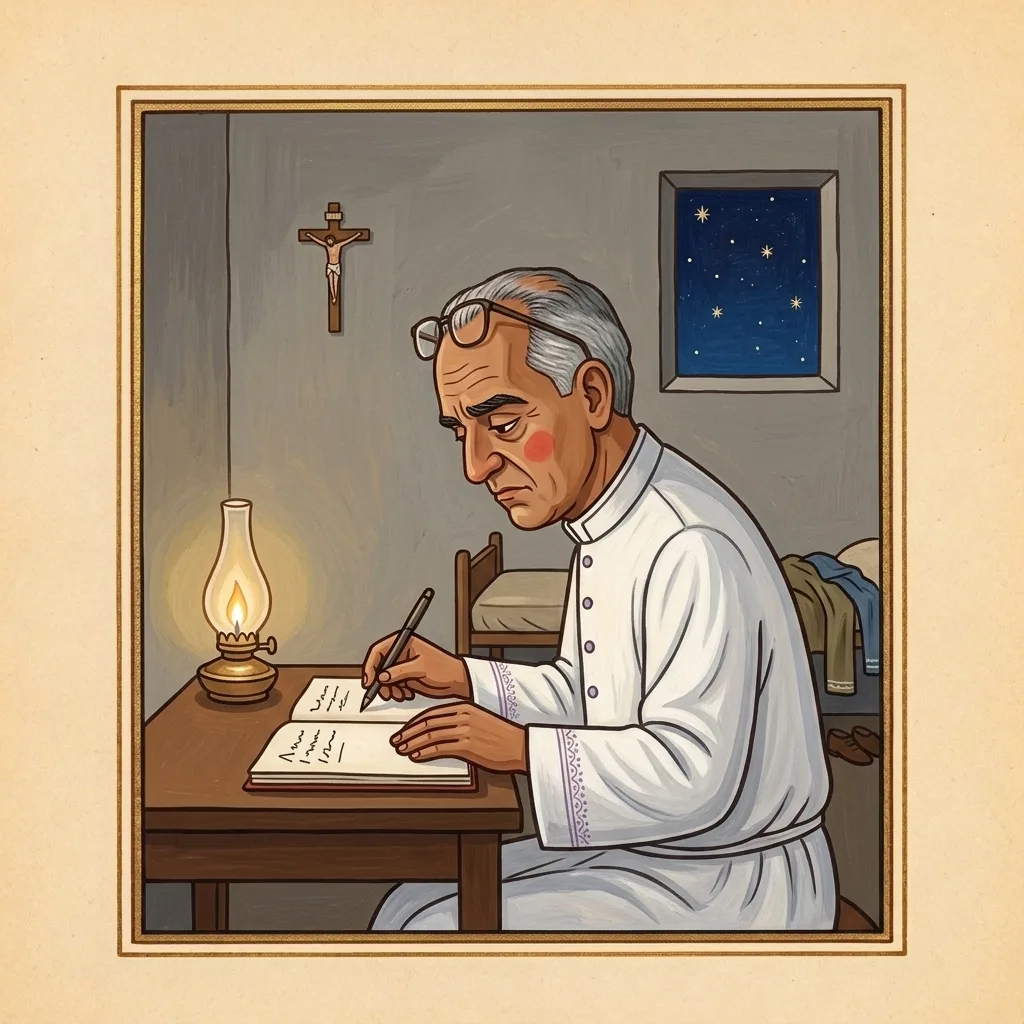
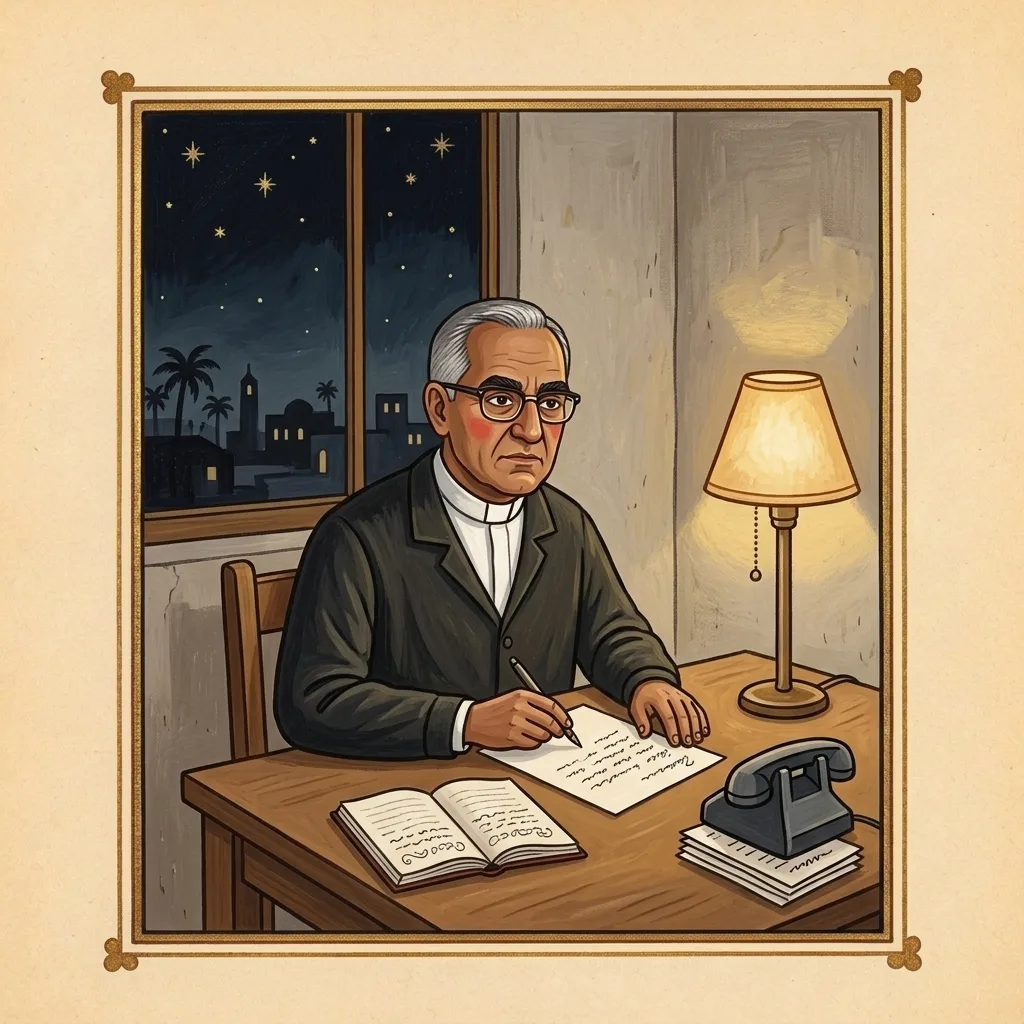
Before Romero's famous public confrontations, he wrote private letters—to El Salvador's president, to the U.S. government, to church officials. They're heartbreaking. Respectful, detailed, pleading. Documenting violence. Begging for change. When the letters were ignored, he preached. When preaching didn't work, he kept preaching anyway.

We remember Oscar Romero for his Sunday sermons—the public confrontations, the prophetic denunciations, the courage to speak truth to power on national radio.

But before those sermons, there were letters.

Dozens of them. To President Carter. To El Salvador's government. To military officials. To church leaders in Rome.

Private, respectful, detailed appeals. Documenting violence. Begging for change. Offering to dialogue.

Most were ignored.

The letters reveal something important: Romero didn't start with confrontation. He tried every pastoral avenue first. When quiet diplomacy failed, when private appeals were dismissed, when dialogue proved impossible—then he preached publicly.

And when that didn't work either, he kept preaching. Because what else could he do?

The Letter to President Carter

In February 1980, Romero wrote to U.S. President Jimmy Carter. The letter is extraordinary—pastoral, detailed, prophetic.

He describes the situation in El Salvador: government forces killing civilians, death squads disappearing people, military repression funded by U.S. aid.

He writes: "I am very concerned about the news that the U.S. government is considering giving military aid to the Salvadoran government."

Then he makes his appeal: "I ask you, if you truly want to defend human rights... to forbid that military aid be given to the Salvadoran government."

The tone is respectful but clear. He's not asking Carter to invade or intervene politically. He's asking the U.S. to stop funding violence.

He continues: "Your government's contribution will undoubtedly sharpen the injustice and the political repression inflicted on the organized people, who have often struggled for respect for their most basic human rights."

He signs it: "Óscar A. Romero, Archbishop."

The letter was delivered. Carter's administration ignored it.

A month later, Romero was dead.

The Letters to El Salvador's Government

Romero wrote repeatedly to El Salvador's president and military leaders.

He'd document specific incidents: dates, locations, names of victims. He'd describe massacres, disappearances, torture. He'd request investigations.

He'd offer to meet. To dialogue. To find solutions.

The responses, when they came, were dismissive. Denials. Blaming leftist guerrillas. Promising investigations that never happened.

Reading these letters is heartbreaking. You can feel Romero's frustration. He's doing everything a pastor should do: documenting truth, seeking dialogue, appealing to conscience.

And it's not working.

In one letter to the president: "I beg you to listen to the voice of the church... We speak not only on our own behalf but on behalf of the people who have no voice."

He's not threatening. Not condemning. Begging.

And being ignored.

Why Start With Letters?

Romero could have gone public immediately. He had the platform—his Sunday homilies reached the entire country.

But he chose to try private appeals first. Why?

Because that's pastoral wisdom. You don't publicly shame someone before giving them opportunity to change privately. You don't burn bridges when dialogue might still work.

Romero believed in conversion. He hoped—maybe naively—that if officials saw the truth clearly, they'd respond with conscience.

He was wrong. But the attempt mattered.

It also meant that when he did go public, no one could accuse him of being reckless or confrontational without cause. He'd tried everything else first.

The Shift to Public Denunciation

When the letters didn't work, Romero began naming injustices publicly in his homilies.

He'd read lists of the disappeared. Describe massacres. Name military units responsible.

This was unprecedented. Bishops don't usually call out governments by name from the pulpit.

But Romero had tried the private route. It failed. People were dying. What was he supposed to do—stay silent?

He wrote to Rome, explaining his approach. Some Vatican officials were uncomfortable with how political Romero was becoming.

His response: "When the church hears the cry of the oppressed it cannot but denounce the social structures that give rise to and perpetuate the misery from which the cry arises."

In other words: This isn't politics. This is the Gospel. When people are being killed, the church has to speak.

The Pastoral Letters

Romero also wrote formal pastoral letters—official church documents addressed to his diocese and the broader church.

These are dense, theological, grounded in Scripture and church teaching. They articulate his understanding of the church's mission: not just spiritual care but defense of human dignity, advocacy for the poor, confrontation of injustice.

They're less emotional than his homilies, more carefully argued. He's making the theological case for why the church must engage with social and political realities.

One pastoral letter: "The Church cannot remain silent before the violation of the fundamental rights of the human person."

He quotes Scripture, Vatican II documents, papal encyclicals. He's not inventing a new theology. He's applying traditional church teaching to El Salvador's reality.

The letters were meant to educate his priests, to justify his approach, to ground his prophetic ministry in solid ecclesiology.

They're also brilliant. Romero was a serious theologian, not just a charismatic preacher.

The Last Appeal

Romero's final Sunday homily—the day before he was killed—includes one last direct appeal.

After documenting the week's violence, after describing the suffering of the poor, he addresses soldiers and police directly:

"Brothers, you come from our own people. You are killing your own brother peasants... No soldier is obliged to obey an order contrary to the law of God... In the name of God, in the name of this suffering people whose cries rise to heaven more loudly each day, I implore you, I beg you, I order you: stop the repression."

It's extraordinary. He's appealing to their conscience. Reminding them they're human beings, not just instruments of state violence.

He's also invoking moral theology: An immoral order isn't binding. You're responsible for your choices, even when following orders.

And he's using his authority: "I order you." As their archbishop, he's commanding them to stop.

It's confrontational. But it's also pastoral. He's giving them one more chance to choose conscience over complicity.

They killed him the next day.

What the Letters Reveal

The letters show a different Romero than the fiery prophet of the homilies.

In private correspondence, he's patient, diplomatic, hopeful. He assumes good faith. He seeks dialogue.

But when dialogue fails—when letters are ignored, when people keep dying, when appeals to conscience go unanswered—he doesn't stop. He escalates.

Private letters become public denunciations. Pastoral appeals become prophetic confrontations.

This is the arc of faithful advocacy: Try quiet persuasion. When it fails, speak louder. When that fails, speak louder still. Never stop.

What We Learn

Romero's letters teach us about prophetic ministry. It doesn't start with confrontation. It starts with listening, documenting, appealing.

But it doesn't end there either. When injustice continues, when power refuses to respond, when people keep suffering—you have to speak publicly. Loudly. Persistently.

Romero also shows us the cost. His letters were ignored. His homilies were hated by the powerful. His appeals to conscience were met with bullets.

But he kept writing. Kept preaching. Kept speaking.

Because what else do you do when you're called to be a voice for the voiceless?

You use your voice. In letters. In sermons. In appeals to conscience. Until they silence you.

And even then—as Romero promised—the voice continues. In the people. In the memory. In others who take up the call.


Prayer for Persistent Advocacy

God,

We're tired of speaking and not being heard.

We've written the letters. Made the appeals. Documented the truth.

And nothing changes.

Give us Romero's persistence.

The wisdom to try quiet persuasion first— to appeal to conscience, to seek dialogue, to hope for conversion.

The courage to speak louder when quiet persuasion fails— to name injustice publicly, to confront power, to use whatever platform we have.

The faithfulness to keep speaking even when it doesn't work— even when we're ignored, even when we're hated, even when it costs us.

Help us trust that speaking truth matters even when it doesn't immediately change things.

That documenting injustice creates a record.

That appeals to conscience plant seeds that might grow later.

Through Oscar Romero, who wrote letters before he preached, who tried diplomacy before confrontation, who kept speaking until they killed him—

Teach us to persist.

Amen.

Saints for the Journey
social-justiceactionhistory