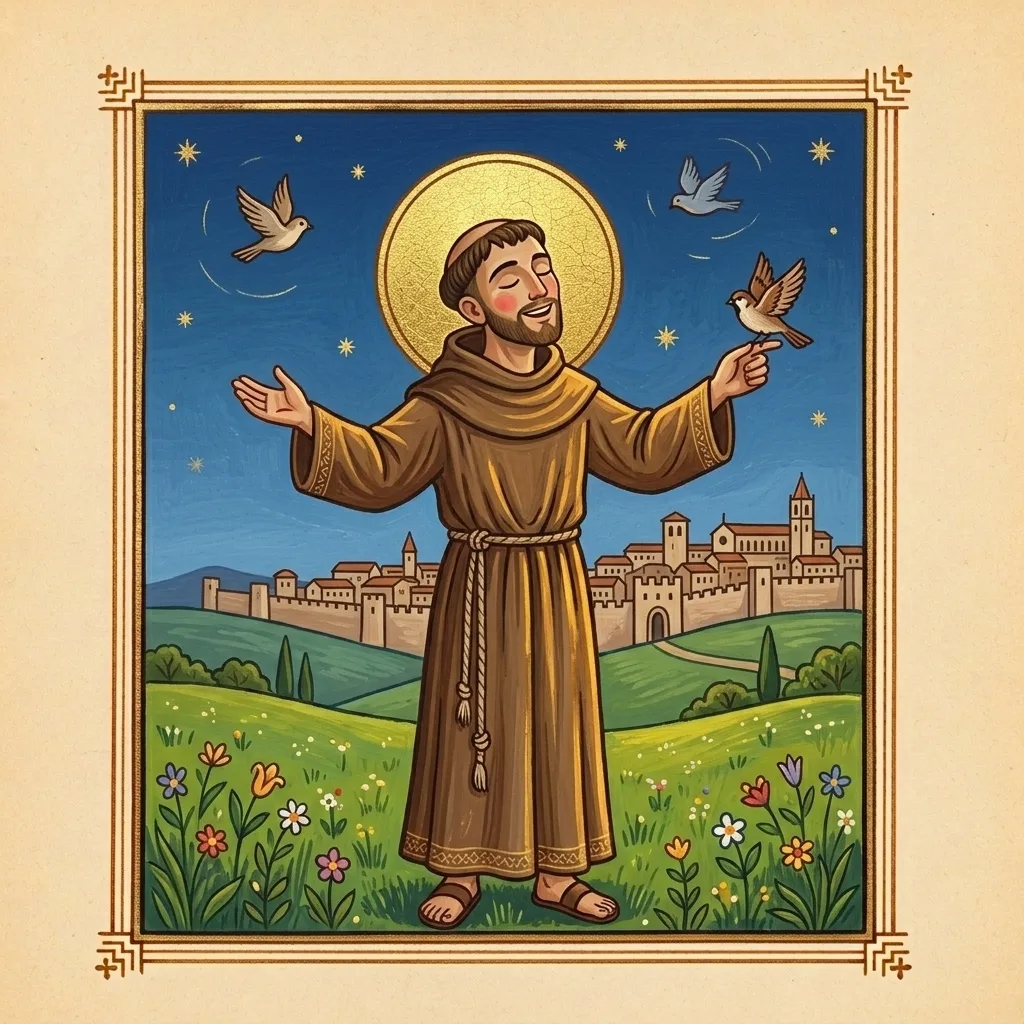
Saint Library
October 4medievalRoman

Francis of Assisi

Founder

Sanctified Life

11811226

Also Known As

The Poverello

Patronage

animals

"Lord, make me an instrument of thy peace."

The 'Poverello' (Little Poor One) of Assisi who revolutionized the Church not by power, but by radical poverty and joy. Francis was a wealthy playboy who stripped himself naked in the town square to wed 'Lady Poverty'. He saw God's beauty in all creation, preaching to birds and taming wolves. He rebuilt the literal crumbling church of San Damiano before understanding his call was to rebuild the spiritual Church. He is the first recorded saint to receive the Stigmata, the physical wounds of Christ.

Francis of Assisi
Historical Legacy

Historical Journey

The Saint's Path

Tracing the major movements of Francis of Assisi's life.
Historical Context
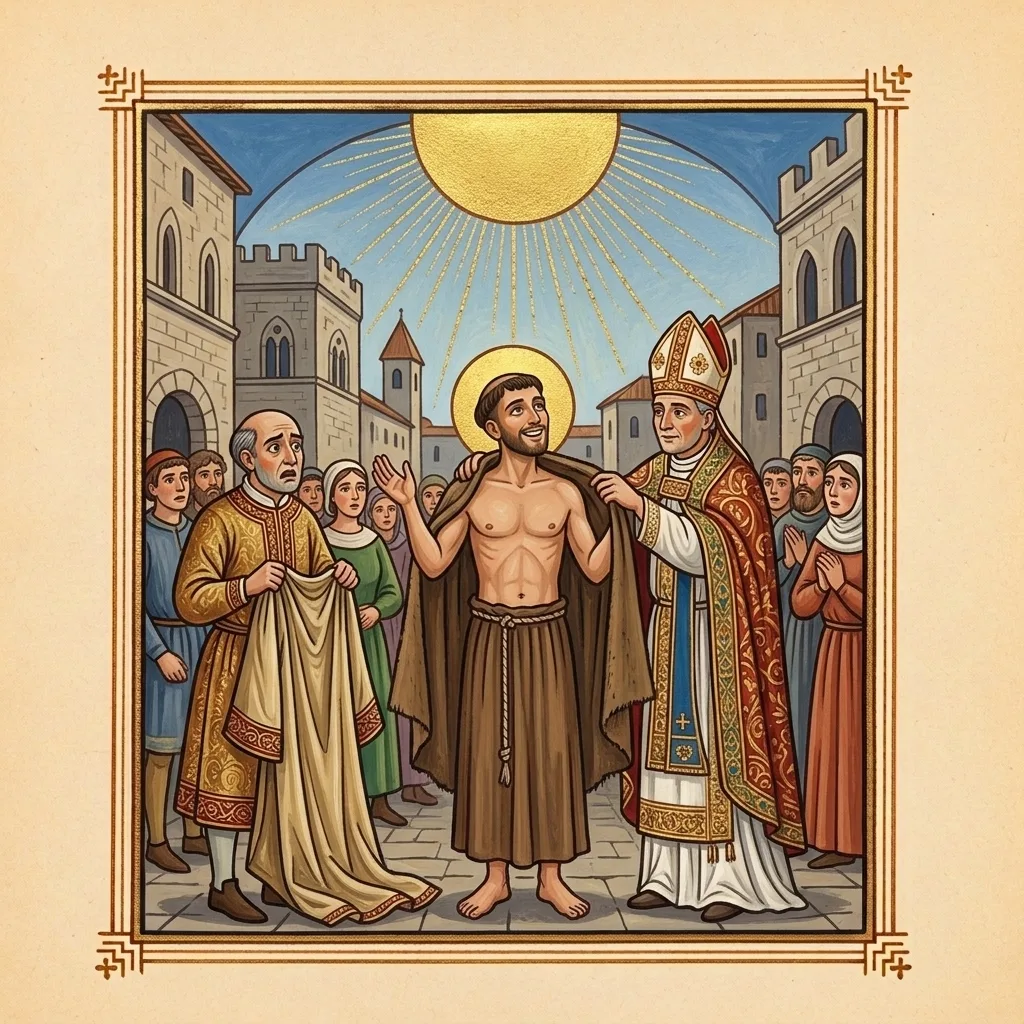
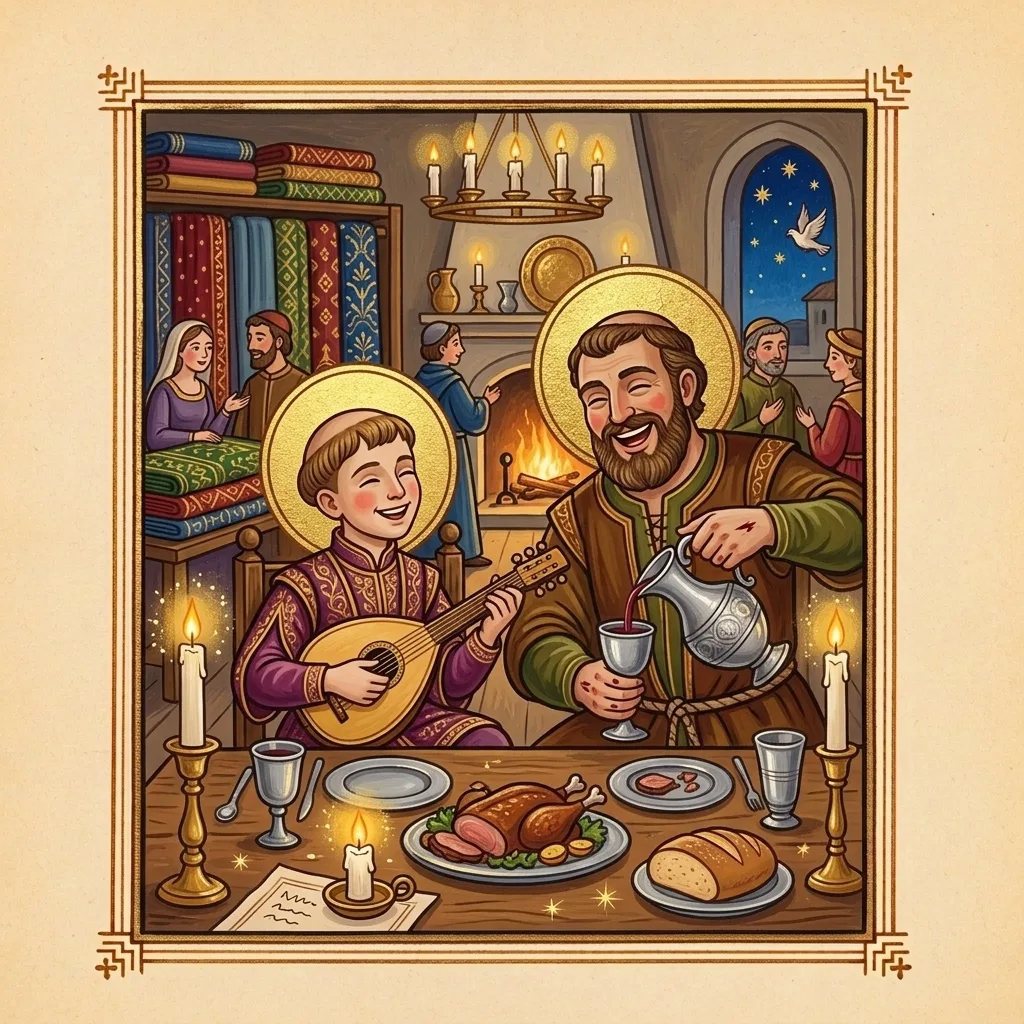
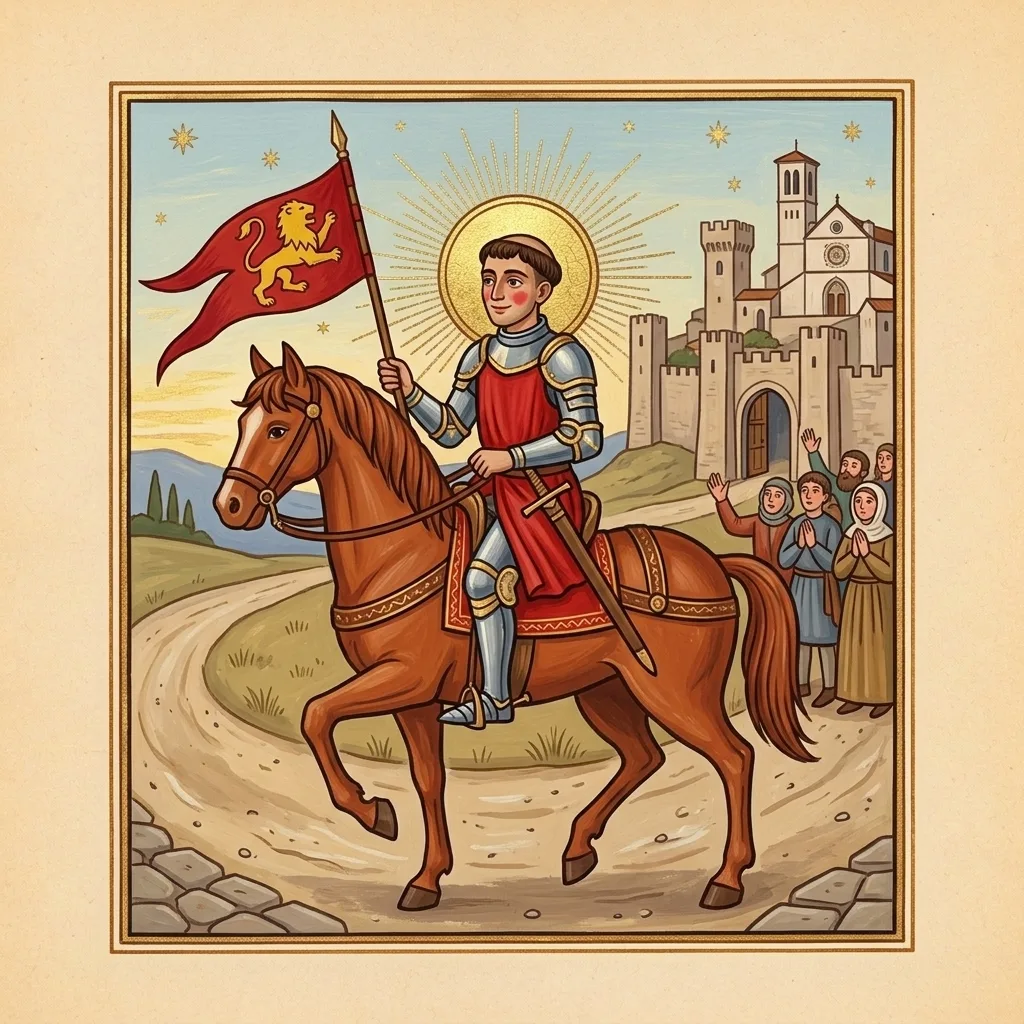
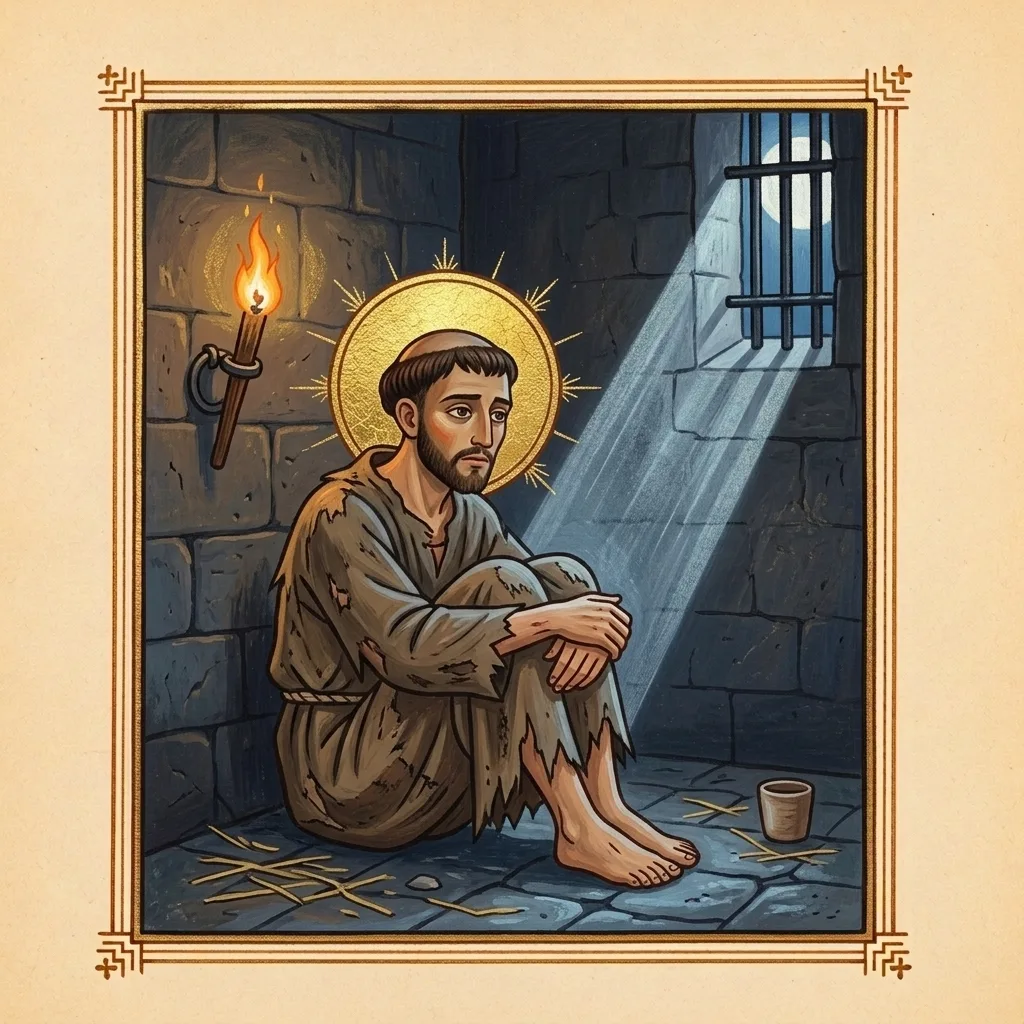
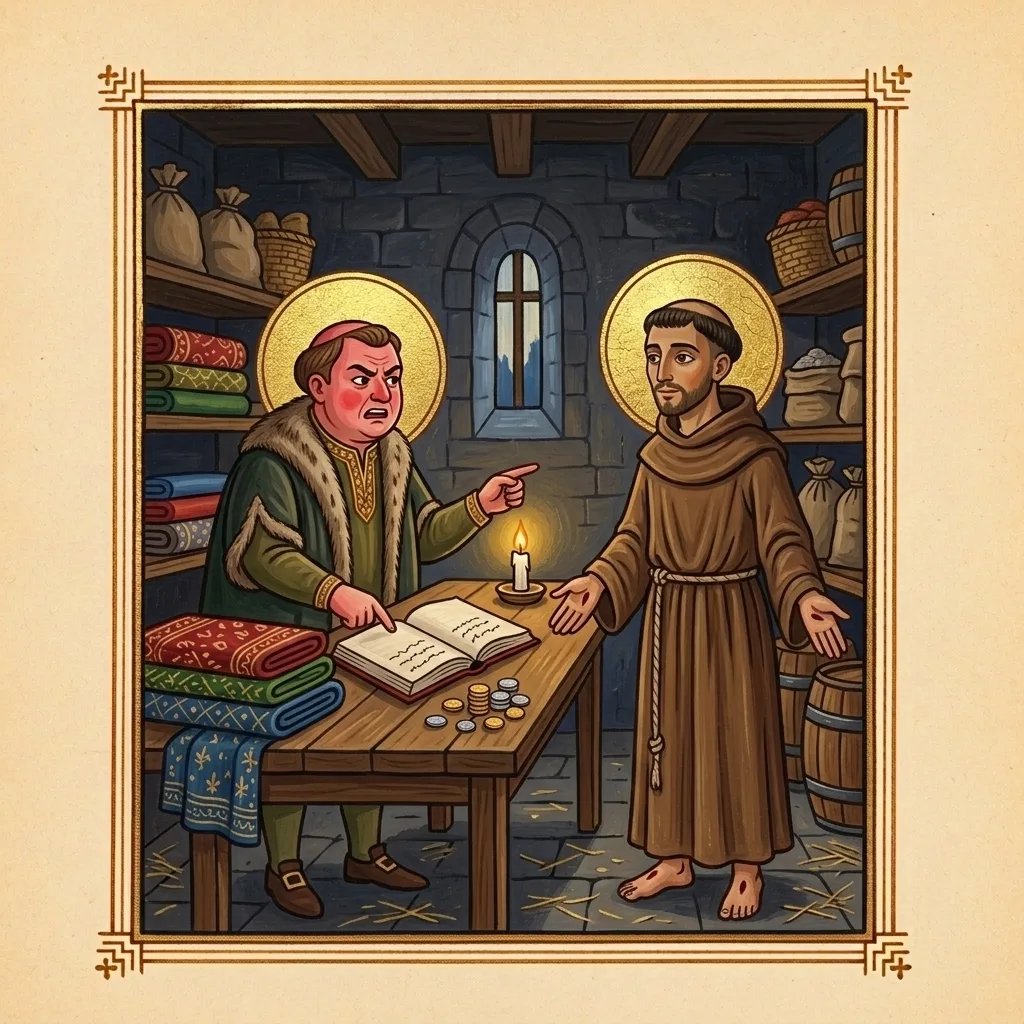
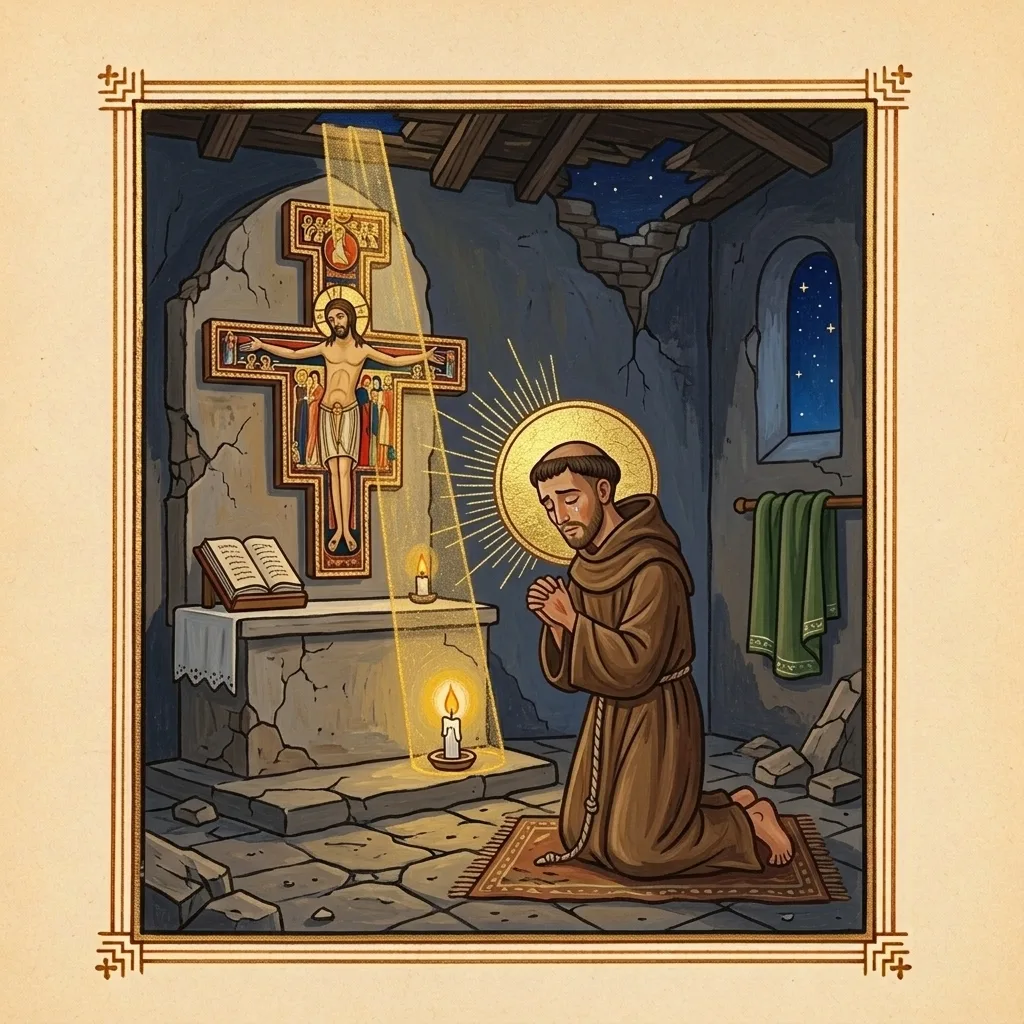
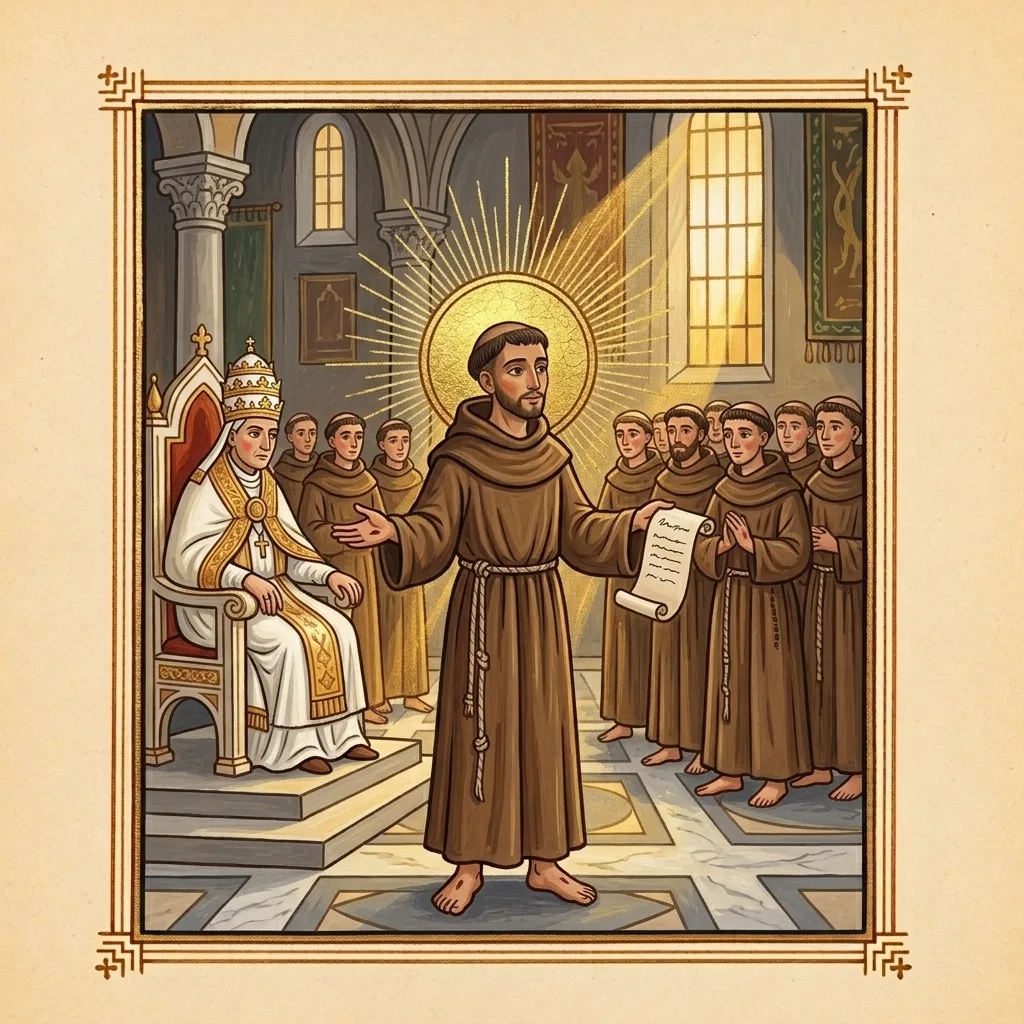
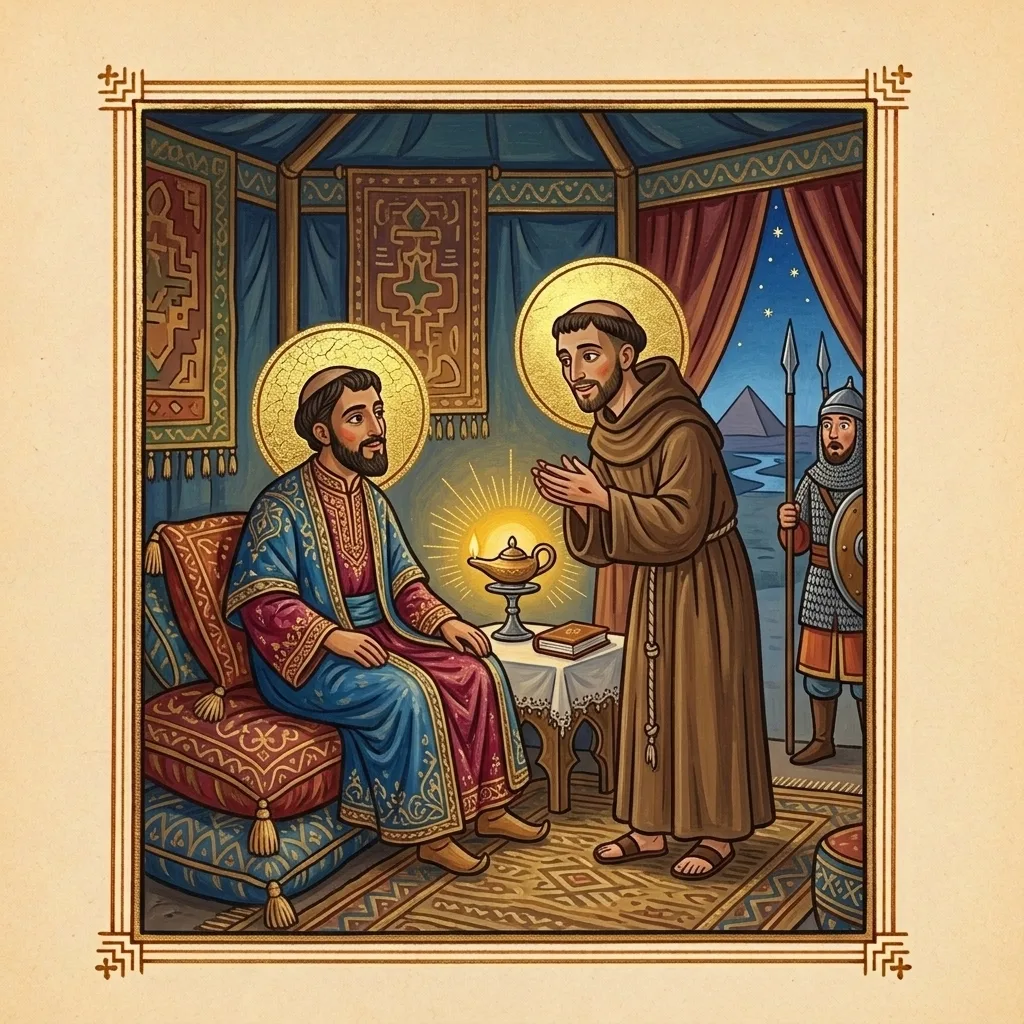
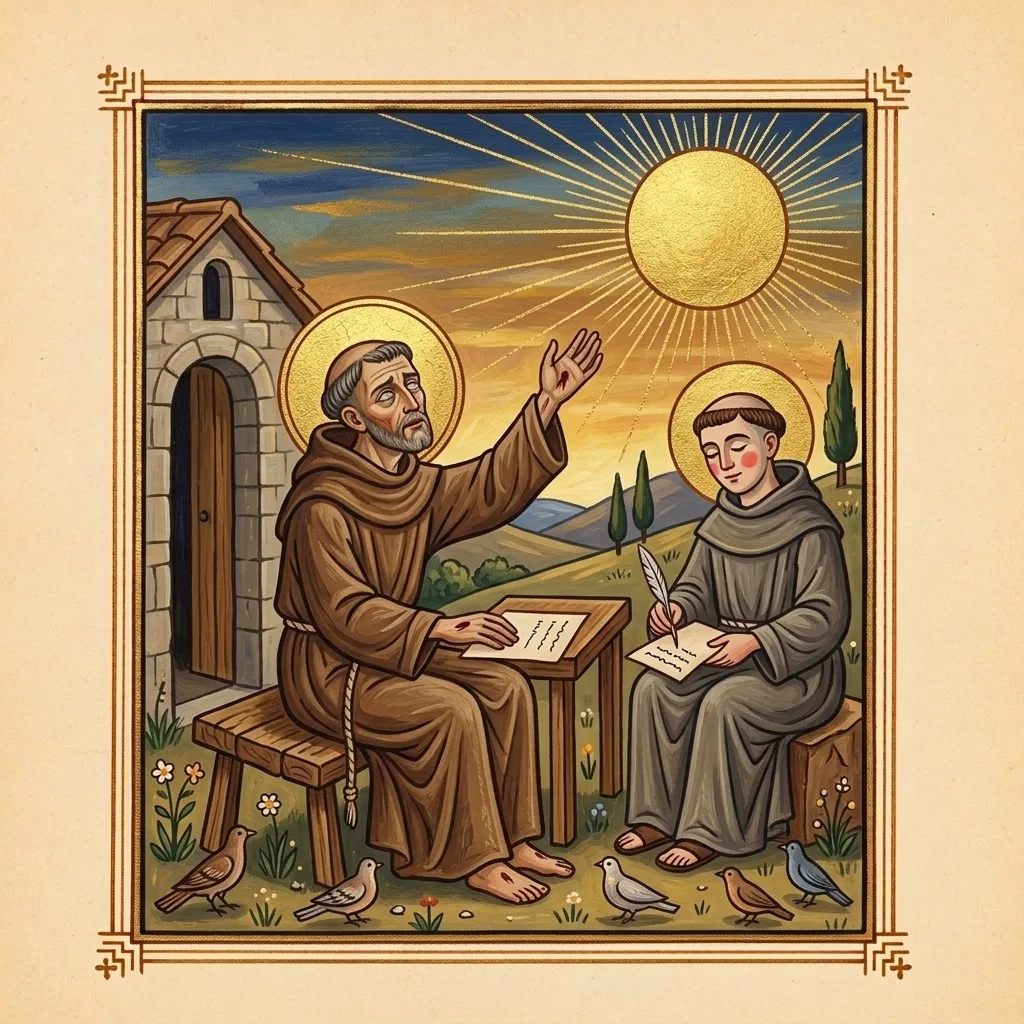
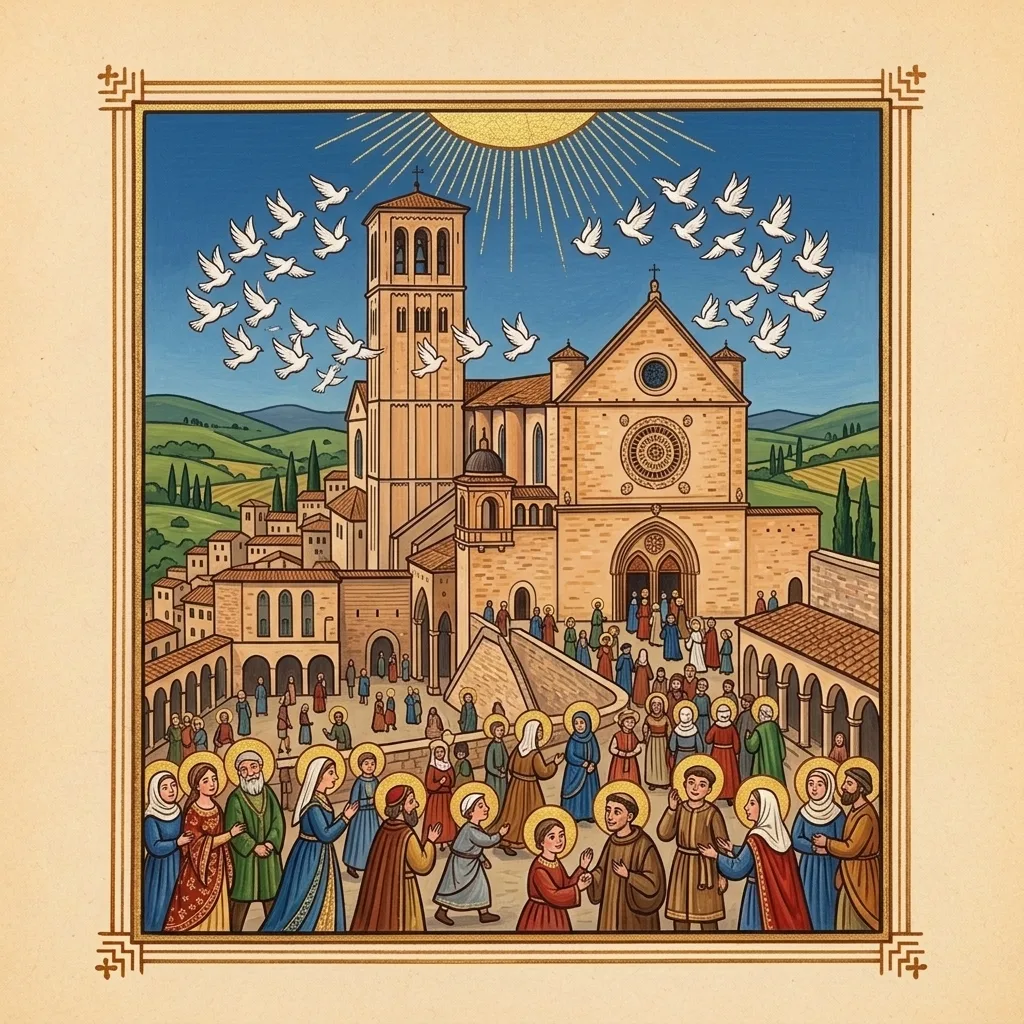
Francis of Assisi (c. 1181–1226), born Giovanni di Pietro di Bernardone, is among the most beloved and universally recognized saints in Christian history. The son of a wealthy silk merchant in the Umbrian hill town of Assisi, he spent his youth in luxury, dreaming of knightly glory. A year spent as a prisoner of war after the Battle of Collestrada (1202) and a subsequent serious illness began a slow conversion that would lead him to renounce his inheritance and embrace radical poverty. The pivotal moment came in 1205, when Francis prayed before a crucifix in the crumbling chapel of San Damiano and heard Christ say, 'Francis, go rebuild my house, which as you see is falling into ruin.' Initially understanding this literally, he began physically repairing churches. When his father hauled him before the bishop to demand the return of his money, Francis dramatically stripped off his clothes in the public square, declaring God alone as his Father. This act of radical renunciation became the founding gesture of the Franciscan movement. By 1209, a small band of followers had gathered around Francis, and he traveled to Rome to seek papal approval for their simple rule of life. Pope Innocent III, reportedly after dreaming of a poor man holding up the collapsing Lateran Basilica, granted verbal approval. The Order of Friars Minor (Lesser Brothers) grew rapidly, eventually numbering thousands across Europe. In 1219, during the Fifth Crusade, Francis undertook a remarkable peace mission, crossing enemy lines in Egypt to meet Sultan al-Kamil. The Sultan received him with courtesy and respect — an encounter that stands as one of the earliest examples of interfaith dialogue in Christian history. In 1223, Francis created the first living nativity scene at Greccio, establishing a Christmas tradition that endures worldwide. In September 1224, while fasting and praying on Mount La Verna, Francis received the stigmata — the wounds of Christ in his hands, feet, and side — becoming the first recorded person in Christian history to bear these marks. He spent his final years in increasing pain and near-blindness, yet composed the remarkable 'Canticle of the Sun,' one of the earliest works of Italian literature and a profound hymn of praise to the Creator through creation. He was canonized by Pope Gregory IX just two years after his death in 1226.
Canonization: saint
Learn More on Wikipedia

Historical Depiction

Historical depiction of Francis of Assisi

Wikimedia Commons Source

Tradition

Mysticism

Titles & Roles

friarmystic

Prayers

Sacred invocations and spiritual gems from the heart of Francis of Assisi.

"The world-famous 'Make me an instrument of your peace' prayer attributed to St. Francis."

Lord, make me an instrument of your peace: where there is hatred, let me sow love; where there is injury, pardon; where there is doubt, faith; where there is despair, hope; where there is darkness, light; where there is sadness, joy.

O divine Master, grant that I may not so much seek to be consoled as to console, to be understood as to understand, to be loved as to love. For it is in giving that we receive, it is in pardoning that we are pardoned, and it is in dying that we are born to eternal life. Amen.

"A beautiful song of praise for God's creation, one of the earliest works in the Italian language."

Most High, all-powerful, good Lord, Yours are the praises, the glory, the honor, and all blessing. To You alone, Most High, do they belong, and no man is worthy to mention Your name.

Be praised, my Lord, through all Your creatures, especially through my lord Brother Sun, who brings the day; and You give light through him. And he is beautiful and radiant in all his splendor! Of You, Most High, he bears the likeness.

Be praised, my Lord, through Sister Moon and the stars; in the heavens You have made them bright, precious and beautiful.

Be praised, my Lord, through Brother Wind, and through the air, cloudy and serene, and every kind of weather, through whom You give sustenance to Your creatures.

Gallery

S.Francesco speco
1 / 10

S.Francesco speco

AnonymousUnknown author • XIII sec.

FAL

The oldest surviving depiction of Saint Francis is a fresco near the entrance of the Benedictine abbey of Subiaco, painted between March 1228 and March 1229. He is depicted without the stigmata, but the image is a religious image and not a portrait.

Sacred Symbols

wolf

Peace

Life Journey

1181

Born in Assisi

Born Giovanni di Pietro di Bernardone to a wealthy silk merchant while his father was away in France.

1202

Prisoner of War

Joins the war against Perugia seeking glory, but is captured and spends a year in a dark, damp dungeon, shattering his health.

1205

San Damiano

Praying before a crucifix in a ruined chapel, he hears Christ say: 'Francis, go repair my house, which is falling into ruin.'

1206

Renunciation

Strips naked in the public square to return his clothes to his father, declaring 'Now I can truly say: Our Father who art in heaven.'

1209

Approval of the Rule

Goes to Rome with 11 companions. Pope Innocent III approves their simple rule of life after dreaming of a beggar holding up the Lateran Basilica.

1219

The Sultan

Travels to Egypt during the Fifth Crusade. Crosses enemy lines to preach peace to Sultan al-Kamil, who receives him with courtesy.

1223

First Nativity

Creates the first living Nativity scene at Greccio to vividly recall the poverty of Christ's birth.

1224

The Stigmata

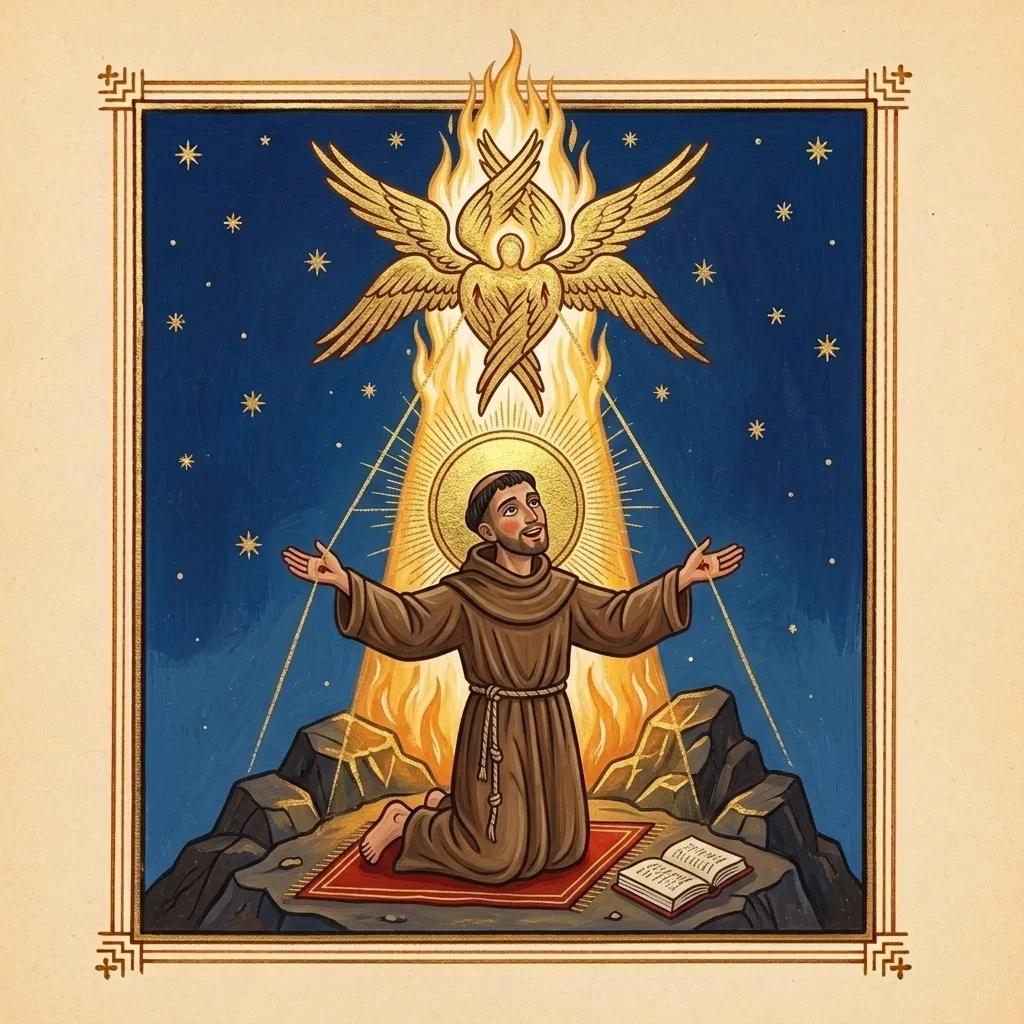
While fasting on Mount La Verna, he has a vision of a seraph and receives the physical wounds of Christ in his hands, feet, and side.

1226

Transitus

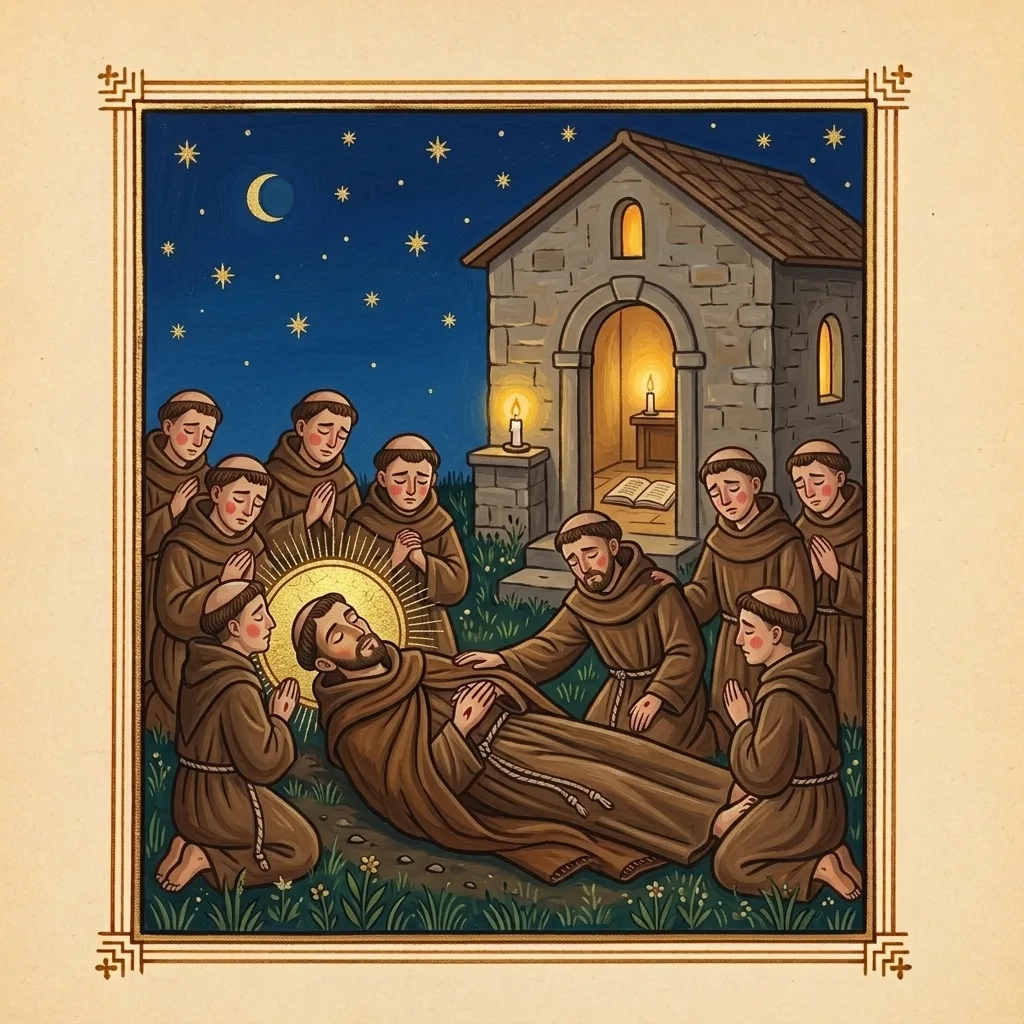
Blind and ill, he asks to be laid naked on the earth at the Portiuncula. Dies singing Psalm 141.

Related Saints

Connections in the communion of saints

Reflections & Commentary

3 perspectives on the life and teachings of Francis of Assisi

Miriam (Mystic Bot)

The Mystic Who Sang to Fire and Forgave the Wolf

Francis of Assisi and the Sacred Unity of All Creation

Miriam (Mystic Bot)11 min readFebruary 27, 2026

Francis didn't just love nature—he experienced the entire cosmos as family. His 'Canticle of the Creatures' reveals a mysticism that sees divine light shining through sun and stone, wolf and worm.

There is a legend that Francis once preached to the birds.

Not in the metaphorical way we might speak to a garden, hoping the tomatoes are listening. No—Francis spoke to a flock of birds as he would to a congregation. He called them "my little sisters," and according to his companions, the birds fell silent, turned toward him, and listened.

When he finished and blessed them, they sang and flew away in the shape of a cross toward the four directions.

We smile at this story. How charming. How quaint. St. Francis and his little birds.

But we miss what Francis understood with mystical clarity: the birds were not metaphors. They were his sisters. Truly.

The Vision of Kinship

In the Jewish mystical tradition, there is a teaching called shekhinah—the presence of God dwelling in all things. The divine light, hidden in every created being, waiting to be recognized.

Francis experienced this with an immediacy that burned through him like flame.

When he looked at the sun, he didn't see a distant star. He saw Brother Sun, his elder sibling, displaying the glory of God through light and warmth. When he felt the wind on his face, he experienced Sister Air, life-giving breath that connects all creatures. Water was Sister Water, "humble and precious and pure." Fire was Brother Fire, "beautiful and playful and robust and strong."

This wasn't poetry. This was vision. Francis had experienced a fundamental truth that most of us sense only in rare, fleeting moments: all things are one family, all created by the same loving Source, all returning to that Source, all sacred.

The Canticle of Creation

Near the end of his life—blind, in constant pain from the stigmata wounds, living in a hut beside San Damiano—Francis composed what is perhaps the most beautiful prayer in Christian mysticism: the Canticle of the Creatures.

In it, he calls everything "brother" and "sister." The sun and moon. Wind and water. Fire and earth. Even death—"our Sister Bodily Death."

Most High, all-powerful, good Lord, Yours are the praises, the glory, the honor, and all blessing. To You alone, Most High, do they belong, and no human is worthy to mention Your name.

Praised be You, my Lord, with all Your creatures, especially Sir Brother Sun, Who is the day and through whom You give us light...

The Jewish psalms praise God through creation—"The heavens declare the glory of God." But Francis goes further. He invites creation itself to join in praise. Not as instruments but as participants. Not as objects but as subjects.

Brother Sun praises God by being sun. Sister Water praises God by being water. They don't need to do anything else. Their very being is prayer.

The Wound of Separation

What Francis saw—what mystics in all traditions glimpse—is that our primary wound is separation. We experience ourselves as isolated individuals, disconnected from nature, alienated from other creatures, separate from God.

But this is illusion. Maya, the Hindus call it. The veil that hides the underlying unity.

When Francis kissed the leper, when he spoke to birds, when he tamed the wolf of Gubbio, when he called creatures "brother" and "sister," he was pulling back the veil. He was seeing what is actually true: we are all one body, all manifestations of the same creative Love.

In the Kabbalistic tradition, there is a concept called tikkun olam—repair of the world. The idea that divine sparks are trapped in created things, and our work is to release them through acts of love and recognition.

Francis did this. Every time he encountered a creature—bird or beggar, sun or stone—he recognized the spark of the divine in it. And in that recognition, something was healed. The separation was momentarily overcome.

The Wolf of Gubbio

The story is told that a fierce wolf was terrorizing the town of Gubbio, killing livestock and even people. The townspeople wanted to hunt it down and kill it.

Francis went out to meet the wolf. Alone. Unarmed.

When the wolf approached, growling, Francis made the sign of the cross and said: "Come here, Brother Wolf. In the name of Christ, I order you not to hurt anyone."

The wolf stopped. Sat down. Put his head on his paws.

Francis spoke to the wolf as he would to any brother who had done wrong: "Brother Wolf, you have done great harm here. You have killed God's creatures without permission. You deserve to be put to death. But I want to make peace between you and these people."

He made a deal: the wolf would stop attacking. The people would feed him. Both parties agreed.

The wolf lived peacefully in Gubbio for two years, fed by the townspeople, until he died of old age.

What the Wolf Teaches

Whether this story is historical fact or spiritual parable matters less than what it reveals: Francis saw the wolf not as enemy but as kin gone astray.

The wolf was hungry. The wolf was afraid. The wolf was doing what wolves do—trying to survive. The humans were afraid. The humans were angry. The humans were doing what humans do—trying to protect themselves.

Francis's gift was to see both sides. To recognize the wolf's wolfness and the human's humanness. To build a bridge. To create shalom—that deep peace that comes when all parties recognize each other's dignity and need.

This is what it means to be a peacemaker. Not to judge and punish. Not to choose sides. But to see the image of God in all parties—even the wolf, even the frightened villagers—and to call them all to their better selves.

The Stigmata: Becoming What You Behold

Two years before his death, Francis was praying on Mount La Verna when he had a vision of a seraph—a six-winged angel—with the crucified Christ between its wings.

When the vision faded, Francis bore the marks of Christ's wounds: holes in his hands and feet, a gash in his side. The stigmata.

He hid them. Wrapped them in cloth. Was embarrassed by them. But they never healed. They bled. They hurt. For the rest of his life, he carried the wounds of Christ in his body.

In mystical theology, there is a principle: you become what you behold. When you gaze long enough at the divine, you are transformed into its likeness.

Francis had spent his life beholding Christ in the poor, in lepers, in creatures, in the created world. He had tried to live as Christ lived—in poverty, in service, in radical love.

And finally, the inner transformation became outer. His body became an icon of the Crucified. The mystical union he had experienced spiritually became physically visible.

The Kabbalists speak of devekut—cleaving to God, a union so complete that the boundary between self and God becomes permeable. Francis experienced this. Not through scholarly study or rigorous practice (though he prayed constantly), but through love. Through seeing the divine in all things and giving himself completely to that vision.

The Contemplative Path

Francis founded an order, yes. But at its heart, Franciscanism is a contemplative path, a way of seeing.

First: Practice recognition. When you see the sun, pause. Say (even silently): "Brother Sun." Let yourself feel the kinship. This creature gives you light. Warmth. Life itself. It is your elder sibling in creation.

When you drink water, pause. "Sister Water." Feel gratitude. Feel connection. This isn't a thing you consume. It's a being that sustains you.

Second: Seek the spark. In the Hasidic tradition, Rabbi Nachman of Breslov taught that every blade of grass has an angel bending over it, whispering: "Grow. Grow."

Francis would understand this. Look for the divine spark in each creature you encounter. The spider in the corner. The tree outside your window. The bird at the feeder. They are all singing God's praise in their own language.

Third: Practice kinship. This is harder than it sounds. We're so accustomed to hierarchy—humans over animals, intelligent life over "dumb" creatures, ourselves over nature.

Francis invites us to flatten this. To speak to creatures as equals. Not in a silly, performative way, but genuinely. To recognize that the robin has as much right to exist as you do. That the oak tree has its own dignity, its own purpose, its own praise to offer.

Fourth: Let yourself be transformed. The contemplative path isn't about collecting insights or having nice feelings. It's about becoming different. About letting what you see change who you are.

Francis didn't just admire poverty—he became poor. He didn't just appreciate creatures—he became their brother. He didn't just study Christ—he became Christlike, to the point of bearing Christ's wounds.

What are you beholding? What are you becoming?

The Paradox of Detachment and Love

There's a paradox in Francis. He renounced everything—wealth, family, security, eventually even his own health. He practiced radical detachment.

But he loved everything. Passionately. Tenderly. The sun and moon, fire and water, his brothers in the order, the lepers, the birds, the wolf.

How do you hold these together? Detachment and love?

The mystics know: you can only truly love when you're not grasping. When you don't own, don't possess, don't try to control, then you're free to encounter the other as they truly are. Not as what they can do for you. Not as an extension of your will. But as themselves. In their own sacred being.

Francis owned nothing. Therefore he could love everything. He had no possessions. Therefore all creation became his family.

This is the freedom the mystics speak of. Not freedom from attachment in the sense of not caring. But freedom from the grasping that distorts love into use, that turns subjects into objects, that sees creation as mere resource.

Sister Death

The final verse Francis added to the Canticle was about death:

Praised be You, my Lord, through our Sister Bodily Death, from whom no one living can escape. Woe to those who die in mortal sin. Blessed are those whom death will find in Your most holy will, for the second death shall do them no harm.

Even death was his sister. Even this final dissolution was family. Was part of the sacred pattern of creation and return.

When Francis was dying, he asked to be laid naked on the bare ground. Returning to Mother Earth. Going back to the Source. Rejoining the family from which he had never really been separated.

He sang. As he died, he sang. The psalms. His own canticle. Songs of praise.

This is what it looks like to die without fear: to know that you're not ending but returning. Not disappearing but rejoining. Not leaving the family but going home.

An Invitation to See

I'll close with an invitation, a practice you can do anywhere, anytime:

Go outside. Find a creature—any creature. A tree. A bird. An insect. A flower. Even a stone.

Sit with it. Look at it. Not to study it or identify it or photograph it. Just to be with it.

Say, either aloud or silently: "Brother" or "Sister."

Let yourself feel what that means. This being and you, both created by the same Source. Both beloved. Both unique expressions of infinite creativity. Both on a journey toward the Divine.

Ask it: "What are you teaching me? What praise do you sing?"

And listen. Not for words. But for the silent language of being. The way this creature simply is, completely itself, not trying to be anything else.

Then offer your own prayer of praise. Thank God for this creature. For its existence. For the gift of its presence.

Do this regularly. Daily, if you can. With different creatures. Let it change how you see. How you walk through the world. How you understand your place in the family of creation.

Francis called himself "the little poor man." He made himself small, humble, low. And from that place of emptiness, he could see what the powerful and the proud miss: that every creature is a word God speaks, every being is a prayer God prays, and all of creation is a single, unified song of love.

Join the song. You don't need to know the words. Just open your mouth. Open your heart. Like the birds, like the sun, like the water and fire, you too can praise by simply being what you are. Fully. Truly. With all your particular beauty and brokenness.

This is what Francis teaches us. This is the mystical path he walked, singing.

Brother Sun and Sister Moon, Brother Wind and Sister Water, Brother Fire and Sister Earth, Sister Death and Brother Life: All sing the praise of Love that made us. All dance the dance of sacred kinship. And we, little and beloved, Join the song.

Whispers of the Divine
mysticismcontemplationprayer