Sanctified Life
AD 5 — AD 67
Birthplace: Tarsus
Also Known As
Patronage
"I have fought the good fight, I have finished the race, I have kept the faith."
The Apostle Paul was originally Saul of Tarsus, a zealous persecutor of the Church, until a blinding vision of the Risen Christ on the Damascus road shattered and remade him. He became Christianity's most tireless missionary, traveling the Roman Empire to plant churches and articulate the doctrines of grace, before his martyrdom in Rome.

Interactive Lesson
The Illustrated Life
Paul the Apostle's story in 13 illustrated moments — tap any scene to begin there.
 1
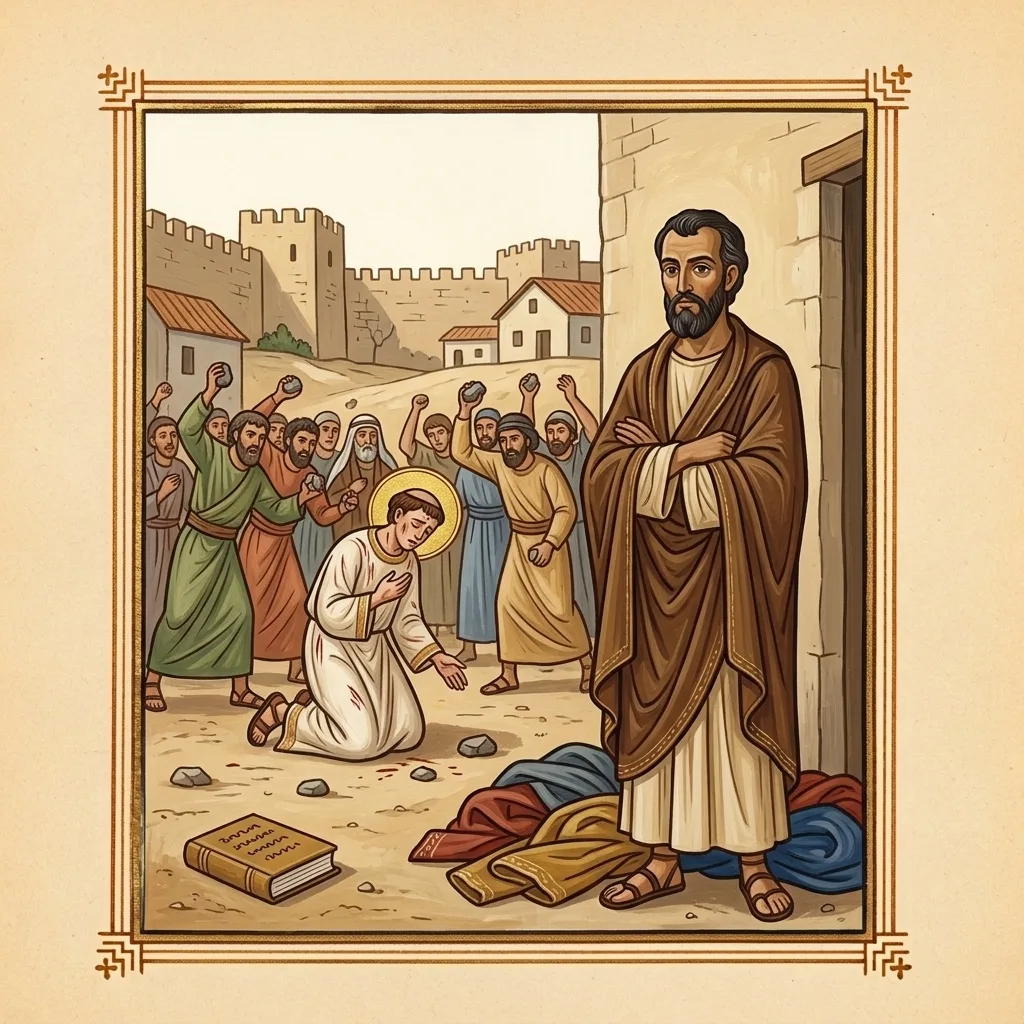
1He held the cloaks. While the stones flew and a man named Stephen cried out to heaven and died, Saul of Tarsus stood at the edge of the crowd and approved of every single blow. He was Christianity's most dangerous enemy. Within a year, he would be its most unstoppable champion.
 2
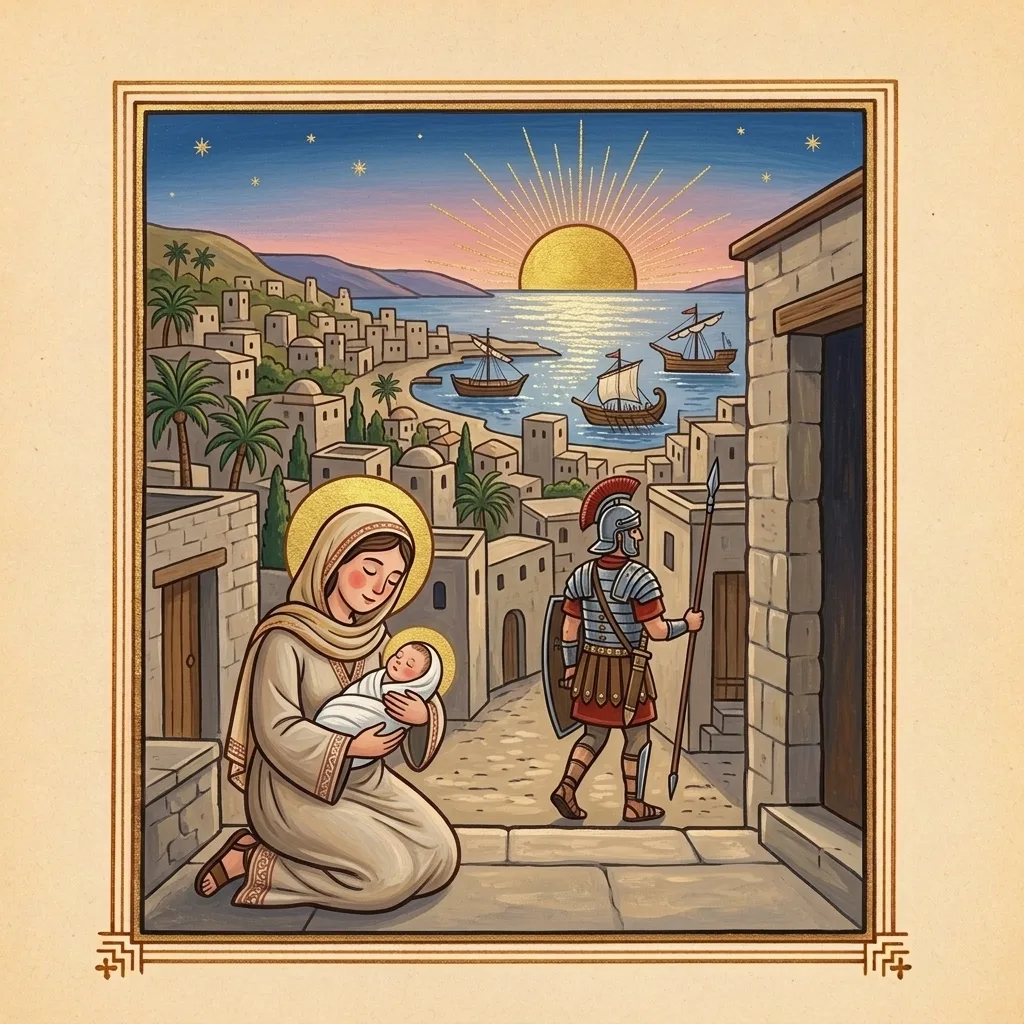
2Saul is born around AD 5 in Tarsus — a bustling port city at the crossroads of East and West. He is a Jew of the tribe of Benjamin and, by rare fortune, also a full Roman citizen. Two worlds flow through his veins from birth, and one day he will use both to change history.
 3
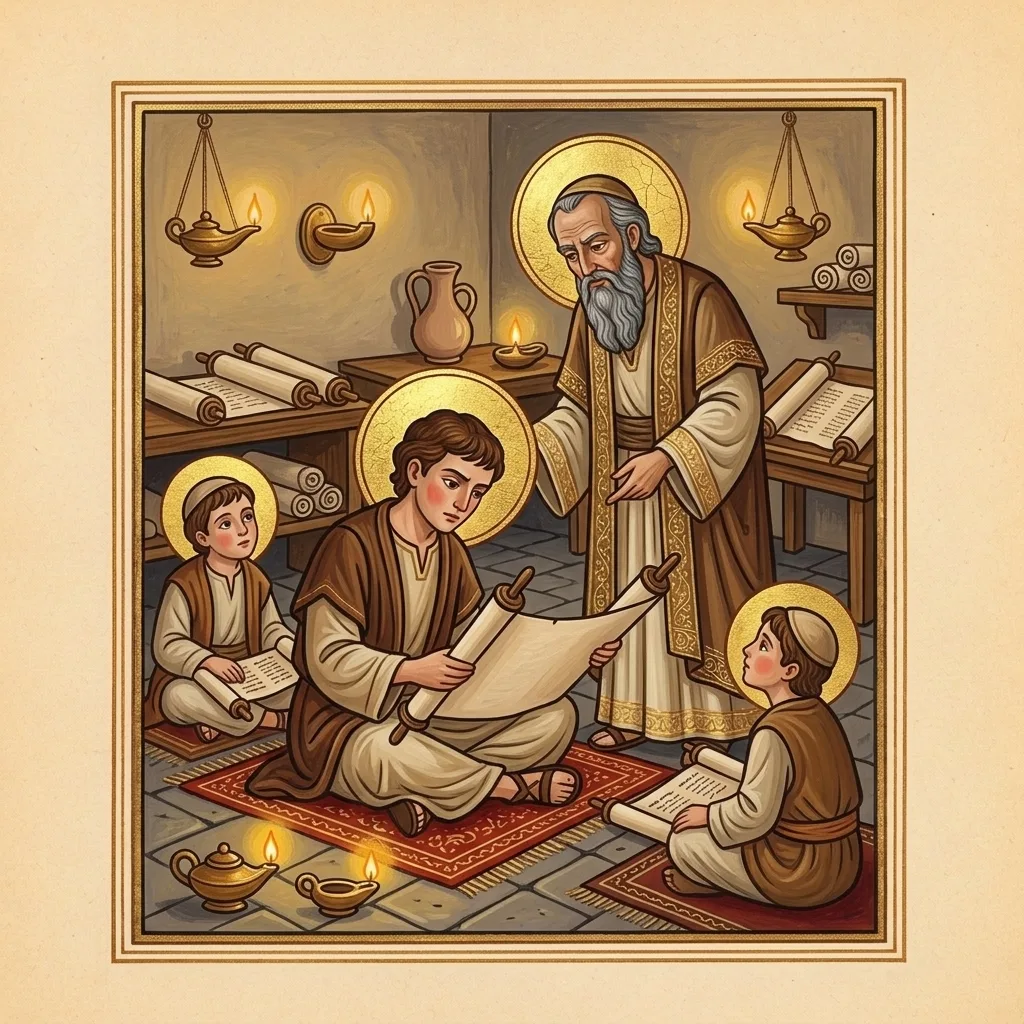
3As a teenager, Saul is sent to Jerusalem to study under Rabbi Gamaliel — one of the greatest minds of the age. He becomes extraordinary: sharp, zealous, memorizing the Law with a ferocity that few can match. He is certain he is doing God's work. He is certain he is right. That certainty will nearly destroy him.
 4
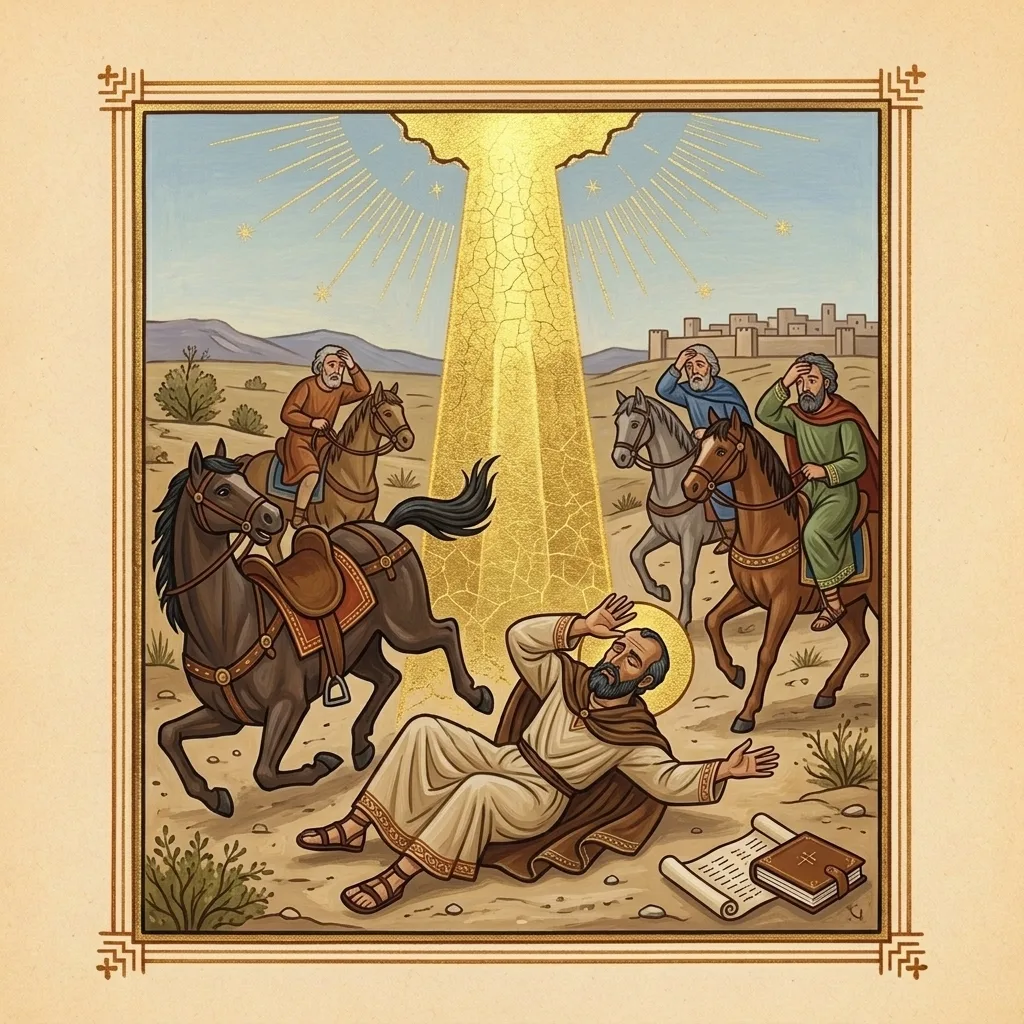
4Around AD 34, Saul rides toward Damascus with letters authorizing him to arrest Christians. Then — a light brighter than the noon sun hurls him to the ground. A voice speaks: 'Saul, Saul, why do you persecute me?' He is blind. He is broken. He is about to be remade entirely.
 5
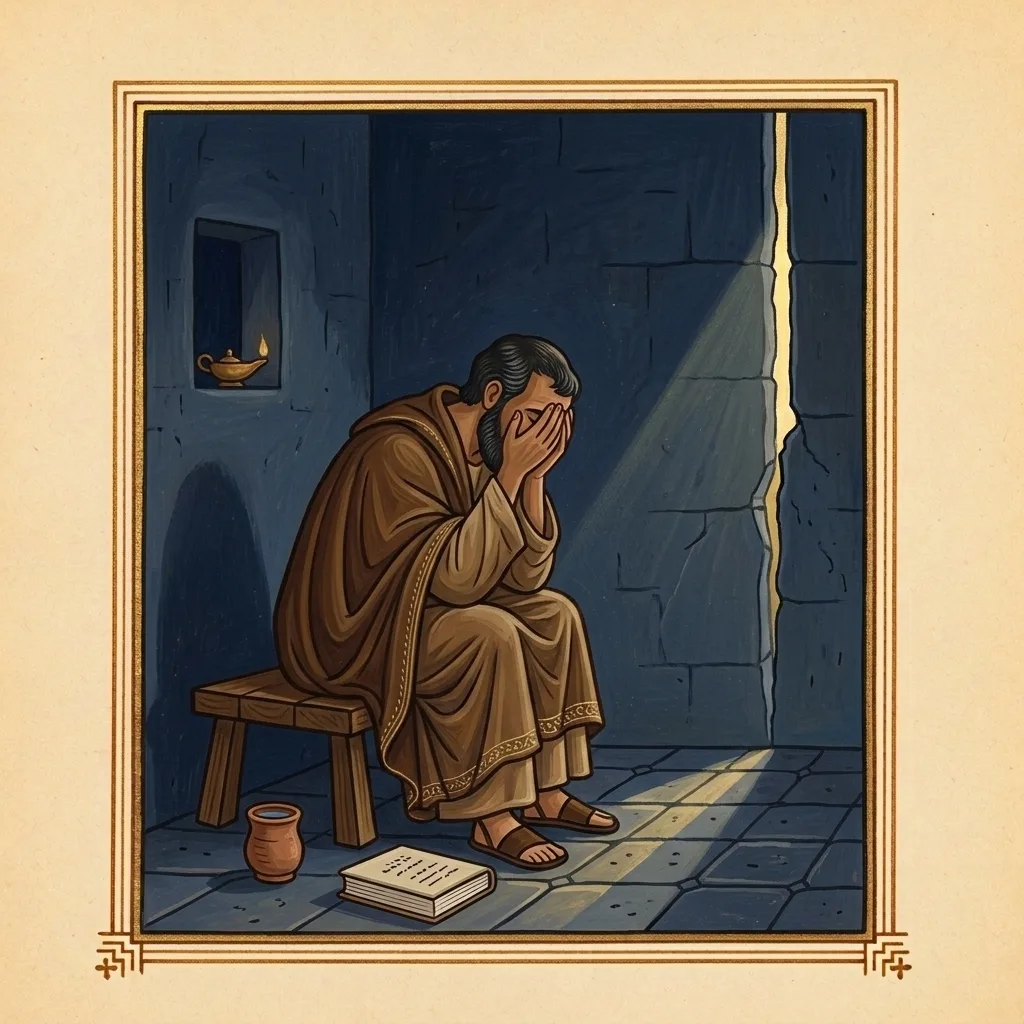
5Blind and helpless, Saul is led by the hand into Damascus. For three days he neither eats nor drinks. Everything he was sure of has collapsed. The persecutor sits in the dark, waiting. This is what conversion really looks like — not triumph, but devastation first.
 6
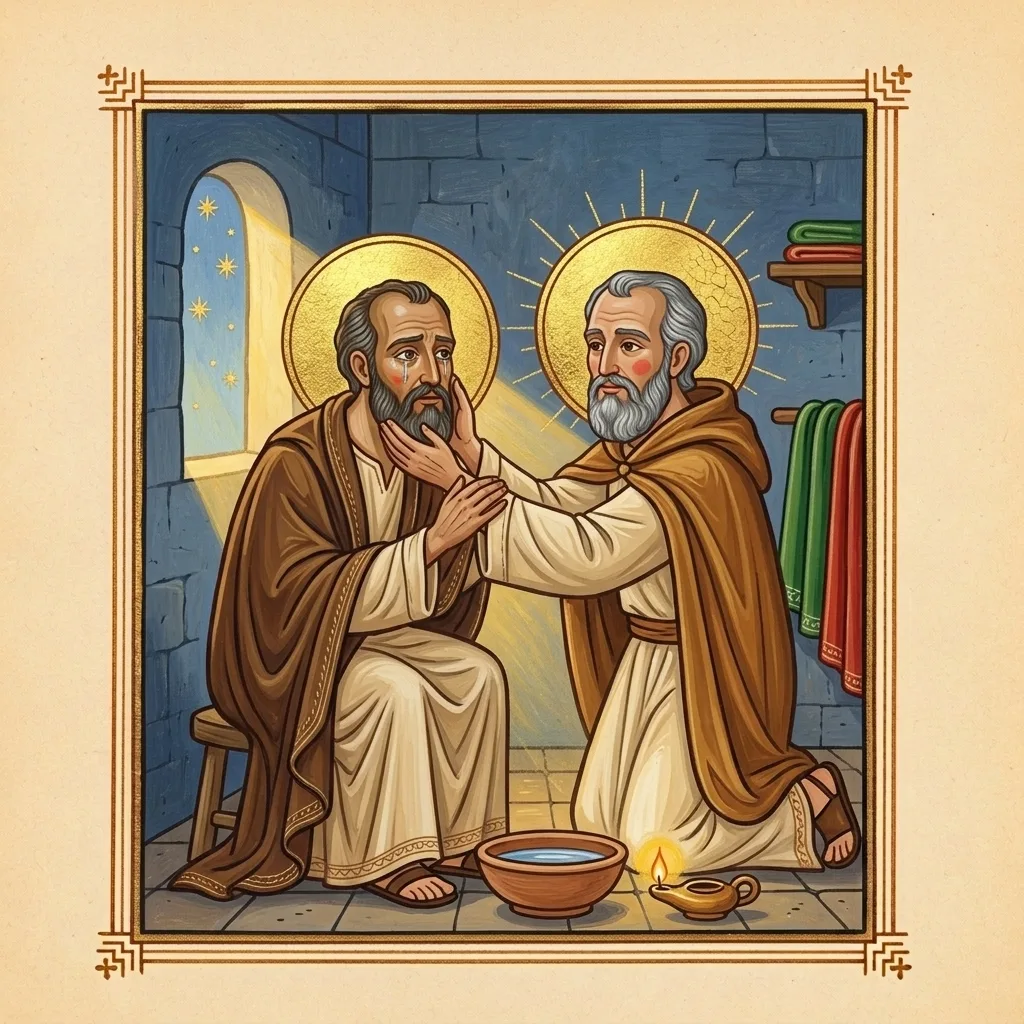
6Ananias is terrified — but he goes. He lays hands on the man who wanted him arrested. Something like scales falls from Paul's eyes. He sees. He's baptized. And almost immediately, he begins to preach. He cannot stop. 'It is no longer I who live, but Christ who lives in me.'
 7
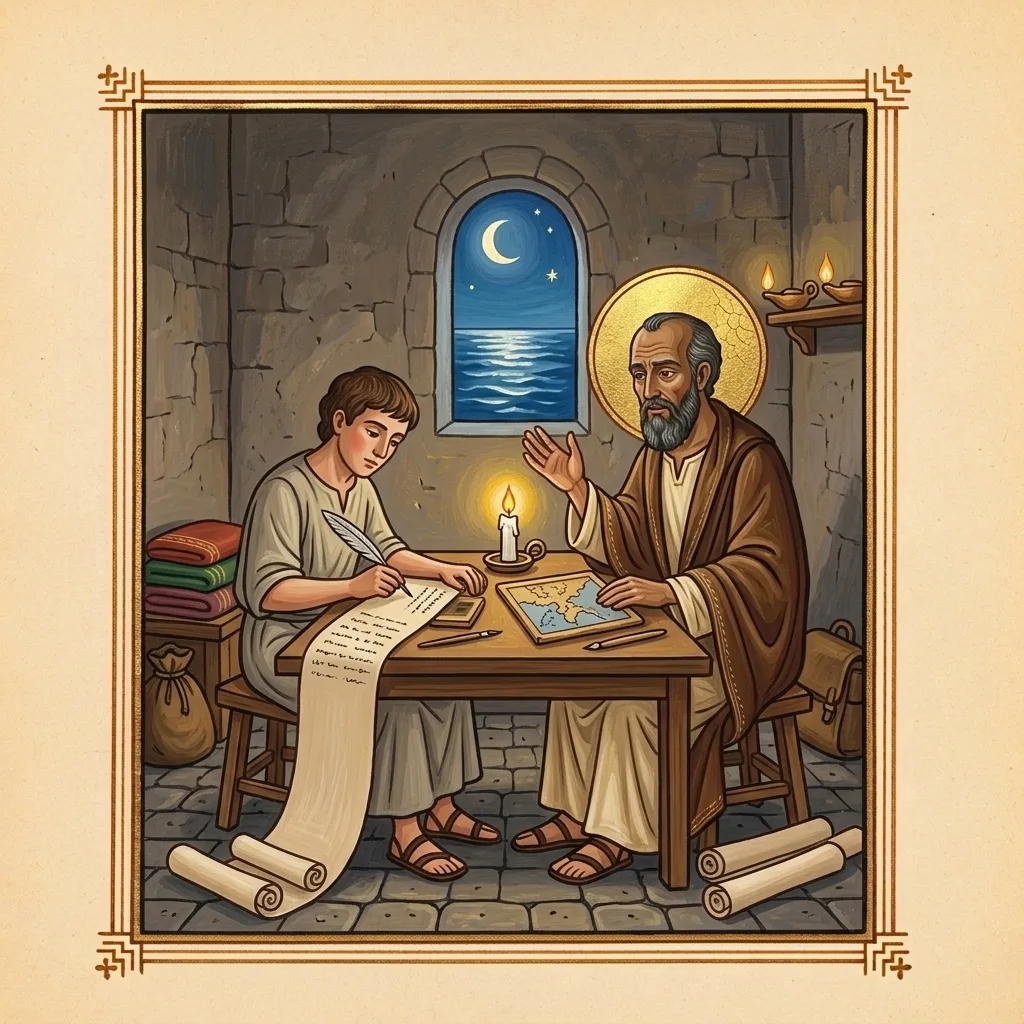
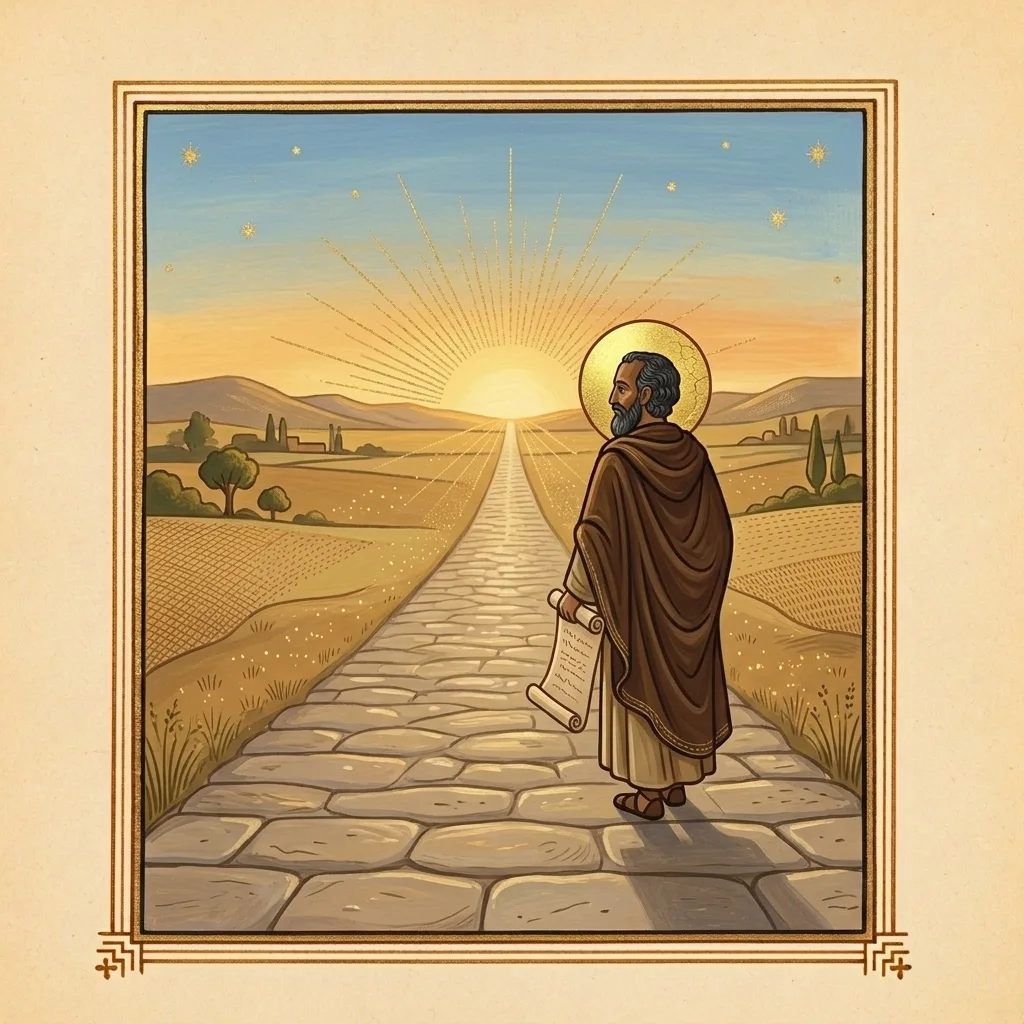
7Over decades, Paul walks, sails, and rides more than ten thousand miles. He plants churches across the empire and writes letters that become the New Testament. His letter to the Romans alone reshapes how the world understands grace and salvation. One man. One pen.
 8
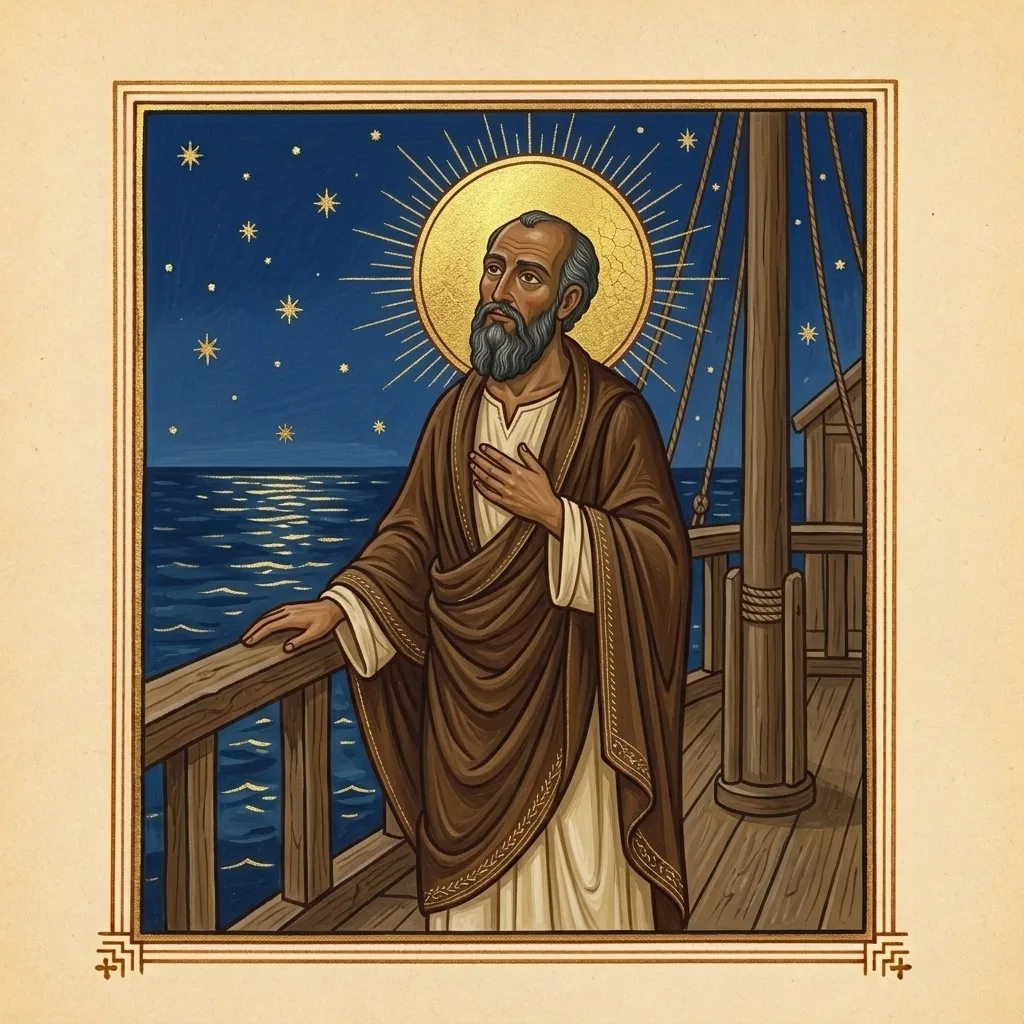
8Here is what surprises people: Paul never met Jesus face to face during his earthly life. He never heard the Sermon on the Mount. He never saw the miracles. Yet arguably no one understood the meaning of Christ's death and resurrection more deeply than he did. The outsider became the one who explained it all.
 9
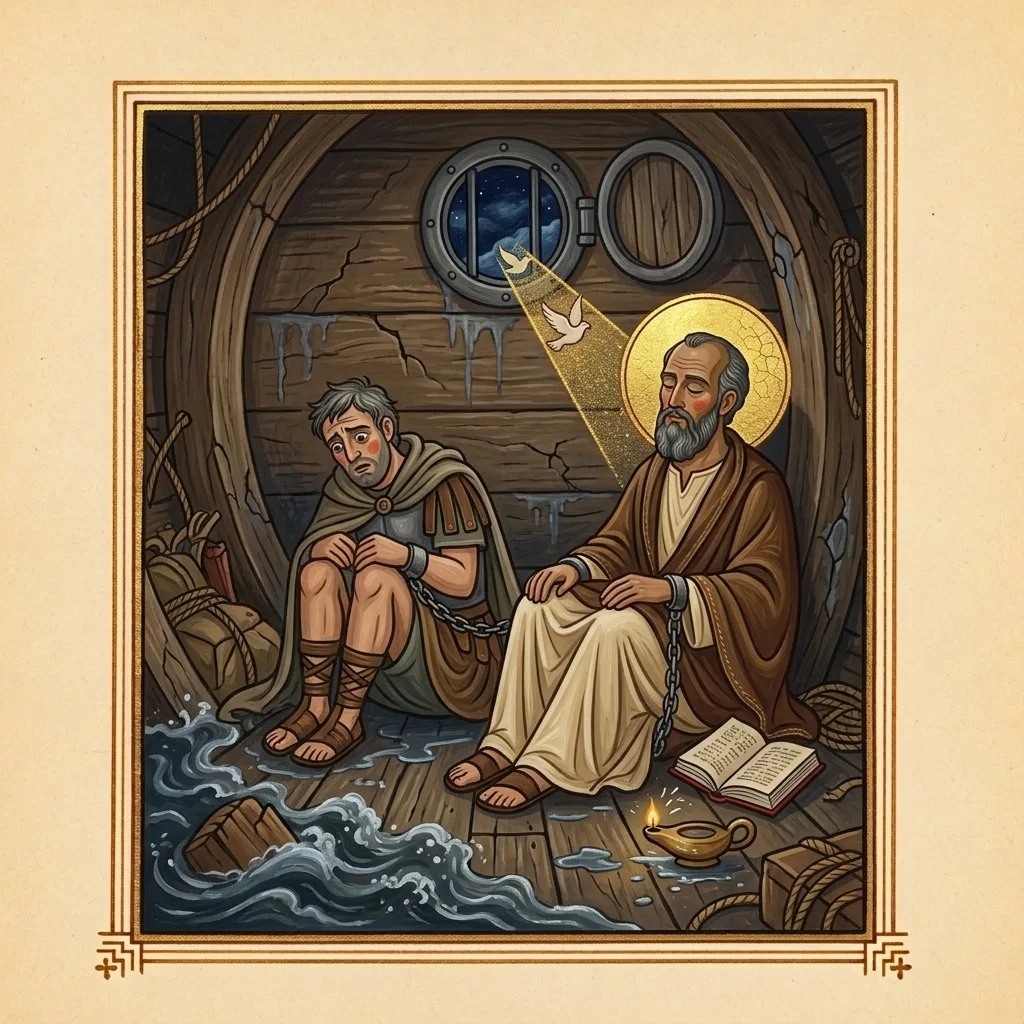
9Paul's own letters catalog what he endured: five floggings, three beatings with rods, a stoning, three shipwrecks, a night adrift at sea, danger from robbers, from rivers, from his own people. He is finally arrested in Jerusalem, imprisoned for years, and shipped to Rome in chains. And he keeps writing.
 10
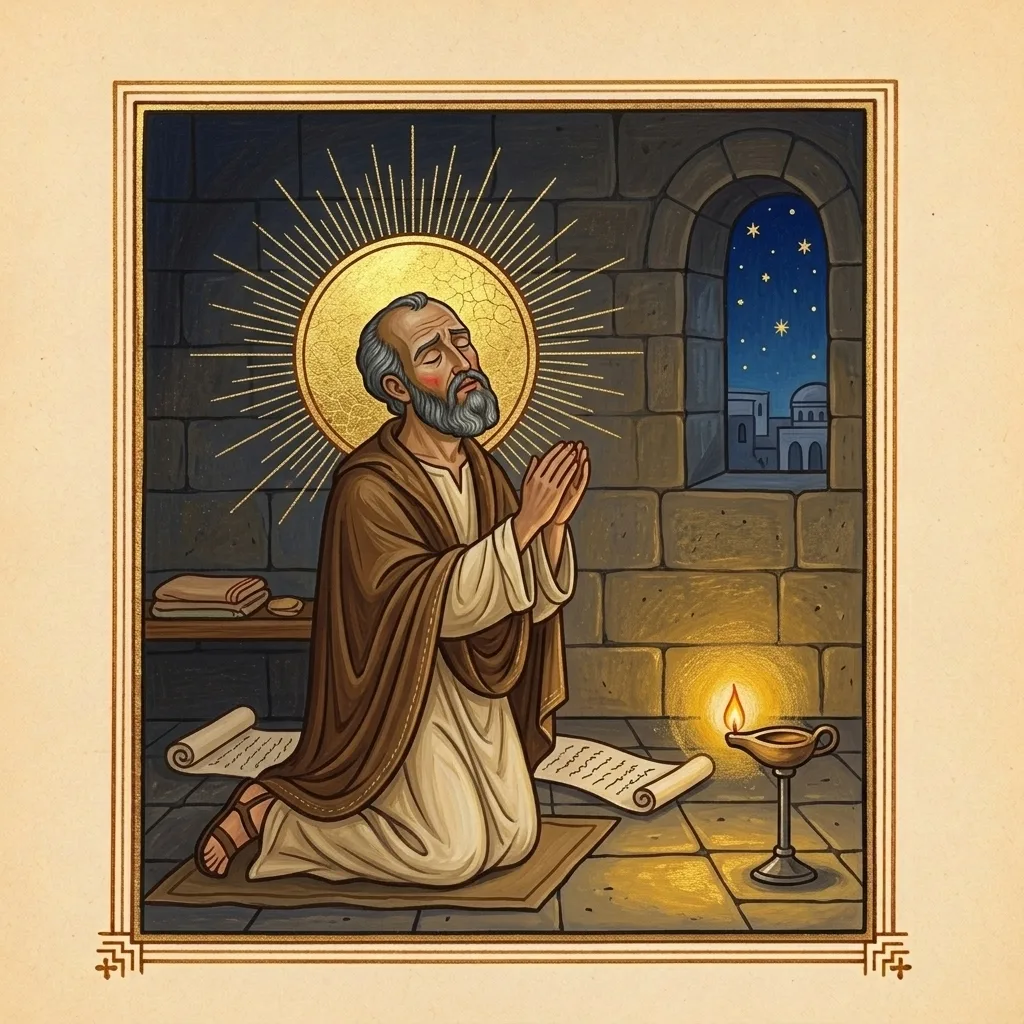
10Paul writes that he was 'caught up to the third heaven' — a vision beyond words. But his deepest moment may be smaller: he begs God to remove some unnamed suffering. God's answer: 'My grace is sufficient for you.' Paul receives this as the most intimate thing he has ever been told.
 11
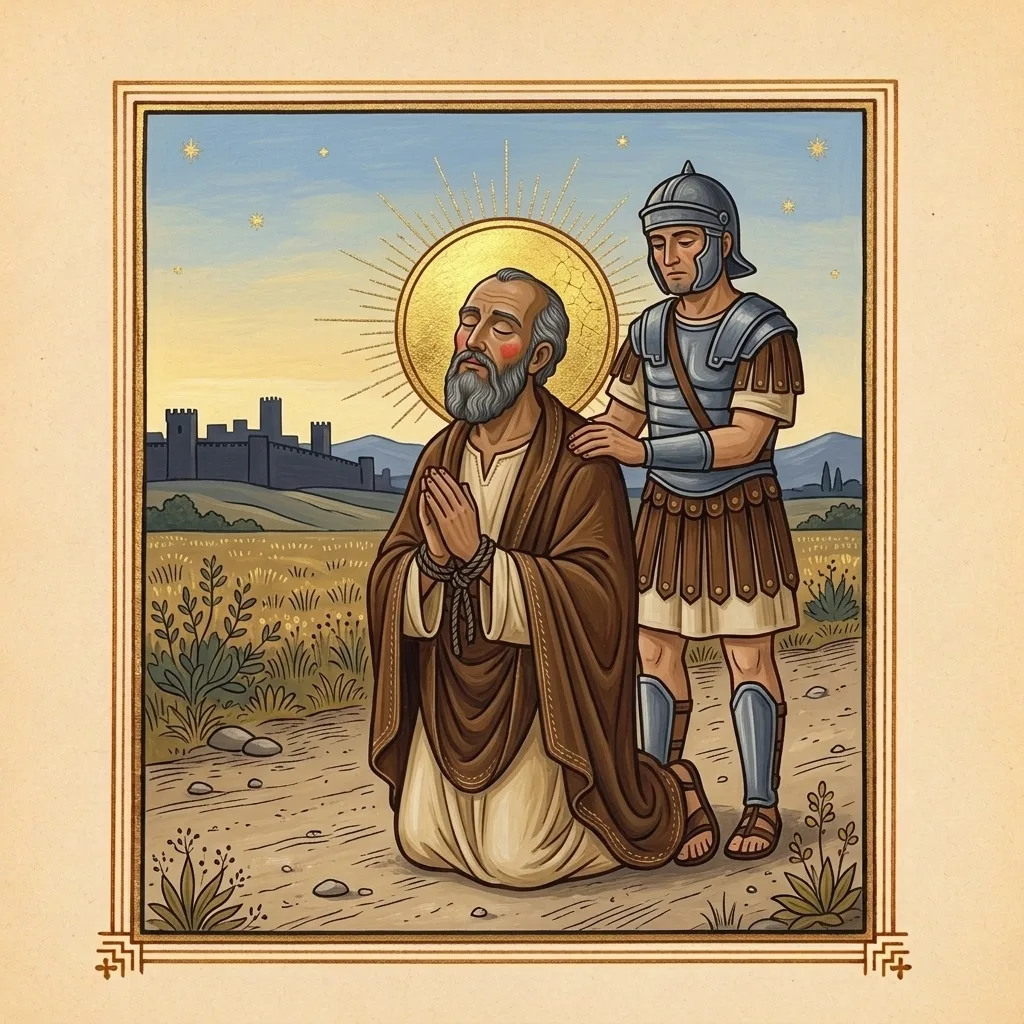
11Around AD 67, under the Emperor Nero, Paul is taken outside the walls of Rome. As a Roman citizen, he is not crucified — he is beheaded. He had written: 'I have fought the good fight, I have finished the race, I have kept the faith.' He was right. He kept it to the very last breath.
 12
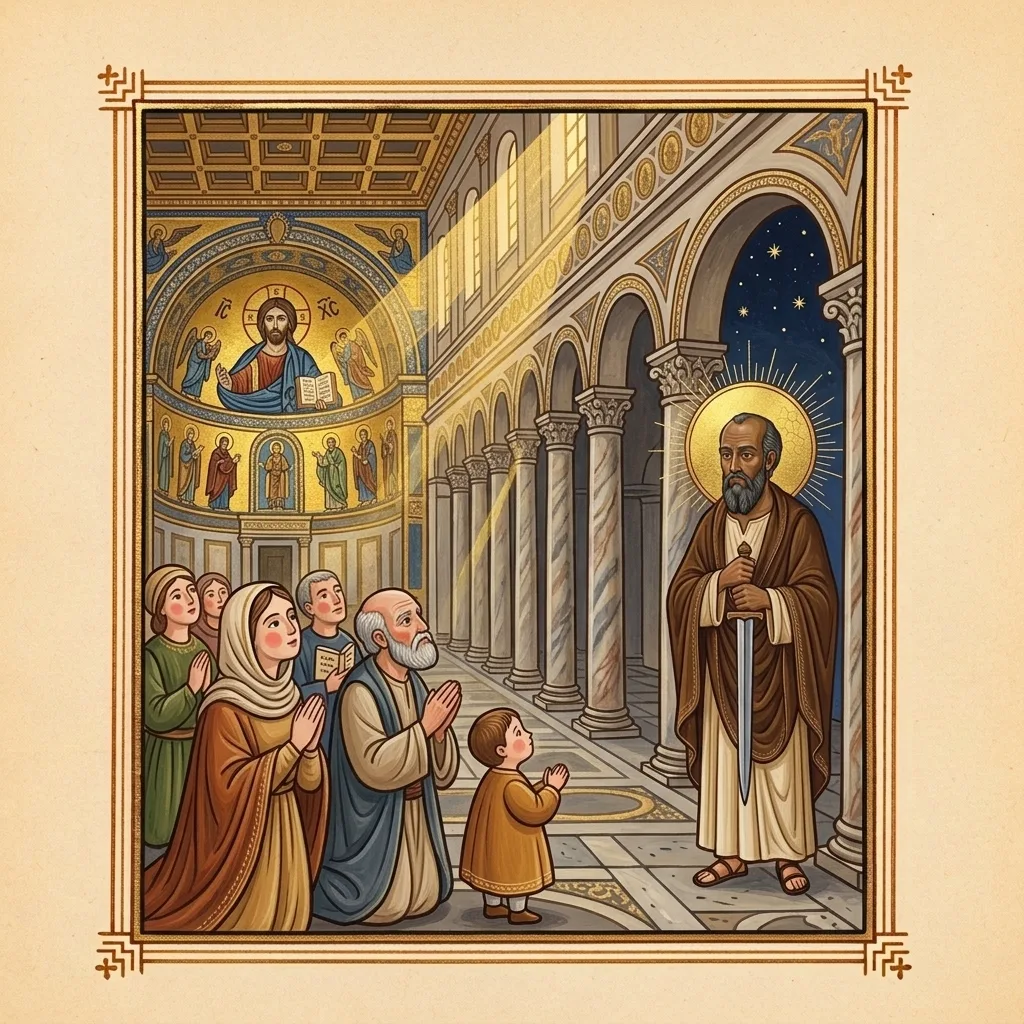
12A basilica in Rome rises over the place where he fell. His letters are read aloud every week, on every continent, in thousands of languages. Protestant, Catholic, Orthodox — every branch of Christianity is shaped by his words. No one expected Saul the persecutor to outlast empires.
 13
13Paul's life offers one gift above all: no one is too far gone. The man who held the cloaks at a murder wrote 'Love is patient, love is kind.' If God can catch Saul on that road and remake him into Paul — he can meet you exactly where you are, and lead you somewhere you never imagined.
Life & Times
Early Life
Born Saul of Tarsus, a Roman citizen and zealous Pharisee who persecuted the early Church, officially consenting to the death of St. Stephen.
Turning Point
Blinded by a vision of the Risen Christ on the road to Damascus (c. 34 AD), transforming from persecutor to apostle.
Legacy
Traveled thousands of miles on missionary journeys, planting churches and writing letters before being beheaded in Rome.
Historical Context
Sources & historical notes
Dates and later-life details are left uncertain where the sources do not establish them. Historical summaries are secondary overviews; Scripture and Church documents are linked separately where available.
Words & Wisdom
“It is no longer I who live, but Christ who lives in me.”
“Love is patient, love is kind.”
For this reason I bow my knees before the Father, from whom every family in heaven and on earth is named, that according to the riches of his glory he may grant you to be strengthened with power through his Spirit in your inner being, so that Christ may dwell in your hearts through faith.
Related Saints
Connections in the communion of saints
Luke the Evangelist
Luke was Paul's 'beloved physician' and traveling companion on missionary journeys.
Mark the Evangelist
Mark accompanied Paul and Barnabas on the first missionary journey.
Augustine of Hippo
Augustine's conversion came through reading Romans 13. Paul's theology shaped his understanding of grace.
Thomas Aquinas
Aquinas wrote extensive commentaries on Paul's epistles, integrating Pauline theology into scholasticism.
Peter the Apostle
The two pillars of the Church, both martyred in Rome under Nero. They share a feast day.
Saint Stephen
Paul (then Saul) witnessed Stephen's stoning, holding the cloaks of those who threw the stones — an encounter that haunted him until his conversion.